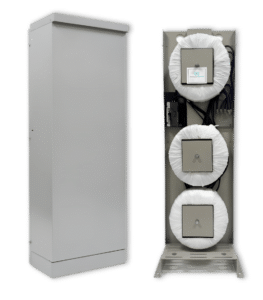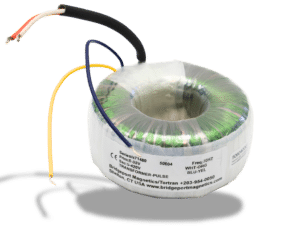
Enclosed medical isolation transformers have become the preferred choice for many hospitals, clinics, and healthcare facilities. These transformers are specifically designed to provide safe, reliable power while meeting the strict requirements of medical environments. Unlike open-frame designs, enclosed medical isolation transformers offer additional protection, better performance, and easier integration into patient care areas.
Why Enclosed Medical Isolation Transformers Matter in Healthcare
Healthcare facilities have unique electrical safety needs because many devices come into direct or conductive contact with patients. Enclosed medical isolation transformers help meet these needs by providing galvanic isolation, reducing leakage current, and protecting sensitive medical equipment from electrical disturbances.
These transformers are especially important in operating rooms, intensive care units, patient monitoring areas, and diagnostic imaging suites. The enclosed design adds an extra layer of safety and makes installation simpler in clinical environments.
7 Key Benefits of Enclosed Medical Isolation Transformers
Here are the seven main benefits that make enclosed medical isolation transformers the right choice for healthcare facilities:
1. Enhanced Safety and Protection The enclosed design protects both the transformer and surrounding equipment from dust, moisture, and accidental contact. This is especially important in busy clinical environments where equipment may be moved or cleaned regularly. Enclosed units also reduce the risk of electrical shock during maintenance or installation.
2. Lower Leakage Current Performance Enclosed medical isolation transformers are engineered to meet the strict leakage current limits required by IEC 60601-1. The enclosed construction helps minimize stray capacitance and electromagnetic interference, resulting in better leakage current performance compared to open designs.
3. Improved Electromagnetic Compatibility Medical environments contain many sensitive electronic devices. Enclosed medical isolation transformers provide better shielding against electromagnetic interference, helping protect patient monitors, diagnostic equipment, and other critical devices from electrical noise.
4. Easier Installation and Integration The enclosed design makes these transformers easier to install in patient care areas, equipment racks, and medical carts. Many models come with mounting options and connection points that simplify integration into existing healthcare infrastructure.
5. Better Thermal Management and Reliability Enclosed units often include improved ventilation and thermal protection features. This helps maintain consistent performance and extends the lifespan of the transformer, which is important in facilities that operate equipment continuously.
6. Reduced Maintenance Requirements Because the transformer is protected inside an enclosure, it is less exposed to environmental contaminants. This reduces the frequency of cleaning and maintenance, lowering long-term operating costs for healthcare facilities.
7. Support for Regulatory Compliance Enclosed medical isolation transformers are designed to help facilities meet safety and performance standards required in healthcare settings. Using properly enclosed units can simplify compliance during equipment inspections and facility audits.

Comparison of Open vs Enclosed Medical Isolation Transformers
| Feature | Open-Frame Medical Isolation Transformer | Enclosed Medical Isolation Transformer | Best for Healthcare |
|---|---|---|---|
| Safety and Protection | Lower | Higher | Enclosed |
| Leakage Current Performance | Good | Excellent | Enclosed |
| Electromagnetic Shielding | Moderate | Strong | Enclosed |
| Ease of Installation | Requires additional protection | Ready for direct installation | Enclosed |
| Maintenance Needs | Higher | Lower | Enclosed |
| Suitability for Patient Areas | Limited | Excellent | Enclosed |
| Overall Reliability | Good | Very Good | Enclosed |
Common Applications in Healthcare Facilities
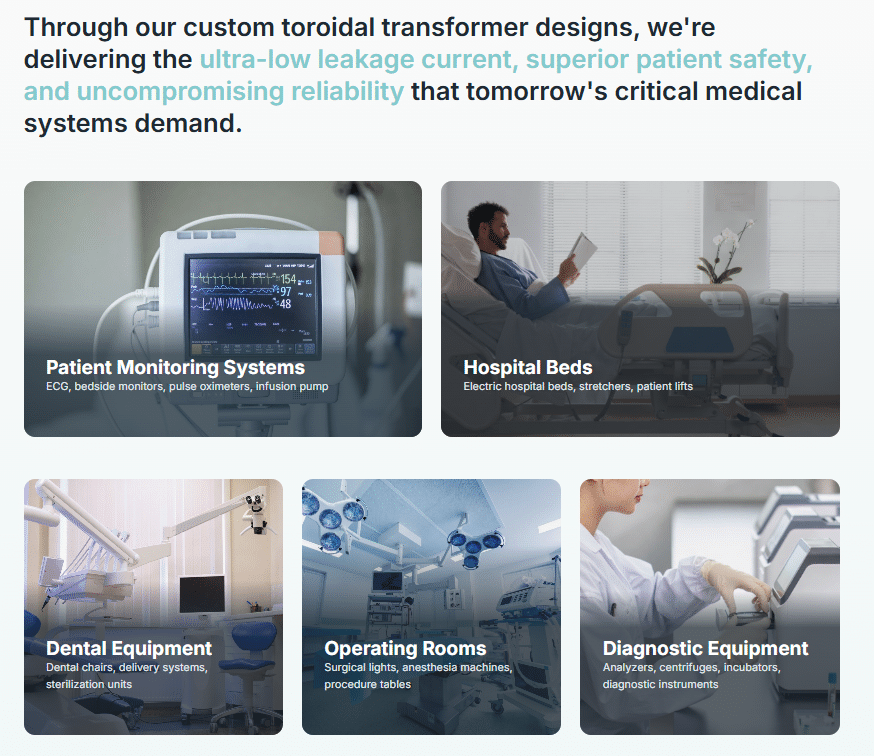
Enclosed medical isolation transformers are widely used in:
- Operating rooms and surgical suites
- Intensive care units and cardiac care units
- Patient monitoring and diagnostic areas
- Medical imaging and laboratory equipment
- Dental operatories and outpatient clinics
- Mobile medical carts and temporary care setups
In many of these applications, the enclosed design allows for safer and more reliable power delivery in close proximity to patients.
Popular IsoPuck Enclosed Models for Healthcare
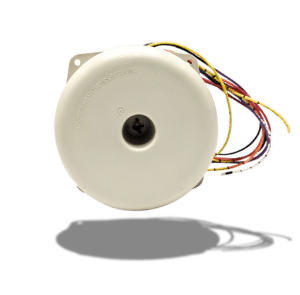
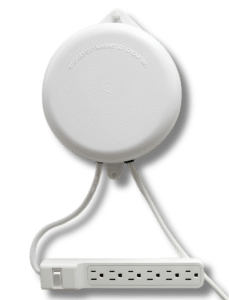
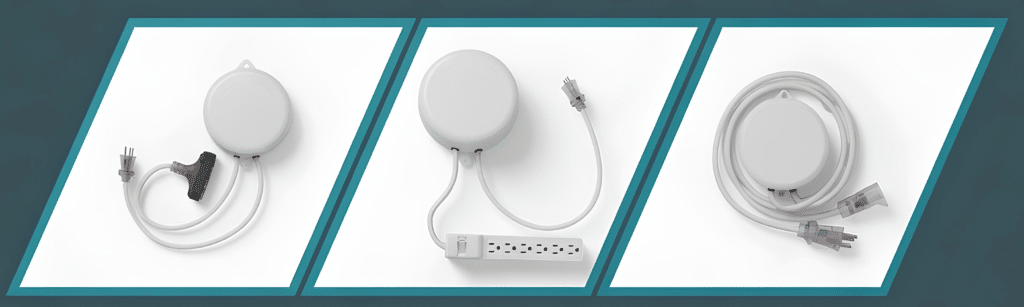
Bridgeport Magnetics offers enclosed medical isolation transformers under the IsoPuck brand that are well suited for healthcare environments. Two models frequently used in hospitals and clinics are the IP800/60 and the IP2200/60.
- The IP800/60 (800VA) provides a compact and efficient solution for smaller procedure rooms, diagnostic areas, and individual pieces of medical equipment.
- The IP2200/60 (2200VA) offers higher capacity for larger installations, multiple-device setups, or areas with greater power requirements while maintaining excellent leakage current performance.
Both models feature electrostatic shielding and are designed to support compliance with IEC 60601-1 and UL 60601-1 standards.
Product Callout Bridgeport Magnetics IsoPuck Enclosed Series Enclosed medical isolation transformers from 200 VA to 3000 VA, including the IP800/60 (800VA) and IP2200/60 (2200VA) models. Designed for safe, reliable performance in healthcare environments with electrostatic shielding and thermal protection. UL 60601-1 and IEC 60601-1 compliant.
Request a quote or speak with our engineers
FAQ
What is an enclosed medical isolation transformer? An enclosed medical isolation transformer is a transformer built inside a protective enclosure. The enclosure provides additional safety, better shielding, and easier installation in healthcare environments compared to open-frame designs.
Why do healthcare facilities prefer enclosed medical isolation transformers? Enclosed designs offer better safety, lower leakage current, improved electromagnetic compatibility, and easier installation in patient care areas. They also require less maintenance and help support regulatory compliance.
How do enclosed medical isolation transformers help with leakage current? The enclosed construction helps reduce stray capacitance and electromagnetic interference, allowing the transformer to achieve lower leakage current levels that meet IEC 60601-1 requirements for medical equipment.
Can enclosed medical isolation transformers be used in operating rooms? Yes. Many enclosed models are specifically designed for use in operating rooms, intensive care units, and other critical care areas where safety and reliability are essential.
What maintenance do enclosed medical isolation transformers require? Enclosed units generally require less maintenance than open-frame designs because they are protected from dust and moisture. Regular visual inspections and periodic testing are still recommended to ensure continued safe operation.
How do I choose the right size enclosed medical isolation transformer? The correct size depends on the total power requirements of the equipment it will support. Models like the IP800/60 work well for smaller setups, while higher-capacity units such as the IP2200/60 are better suited for larger installations or multiple devices.
Are enclosed medical isolation transformers more expensive than open designs? Enclosed units often have a higher initial cost, but they can reduce long-term expenses through lower maintenance needs, better reliability, and easier installation. Many facilities find the overall value higher with enclosed designs.