When an underground cable fault causes a power outage, utility companies need fast and reliable ways to restore service to customers while permanent repairs are completed. In these situations, utility temporary power restoration devices have become an essential tool for modern outage response.
These portable autotransformers allow crews to quickly restore power directly at the customer’s meter without running temporary overhead cables. They are known by several names in the industry, including Service Saver, Auto-cart, Add-a-Phase, and Servisavor. Regardless of the name used, the goal is the same: get customers back online safely and efficiently while giving crews time to complete permanent repairs on the utility’s schedule.
What Are Utility Temporary Power Restoration Devices?
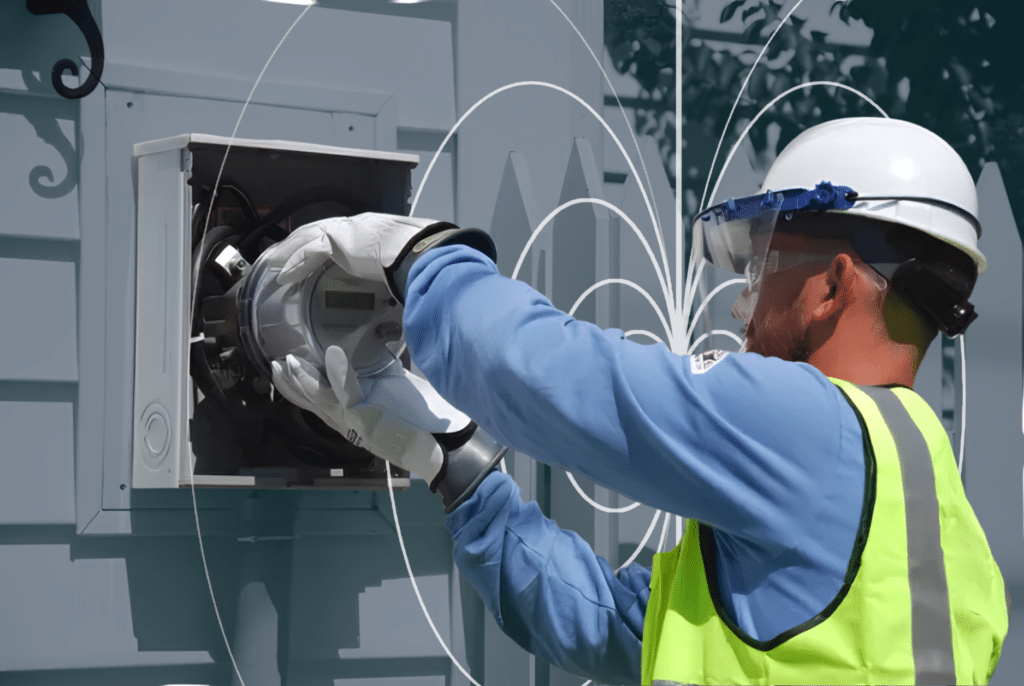
Utility temporary power restoration devices are portable autotransformers designed to restore a missing hot leg or neutral on single-phase services. They are typically connected at the meter socket using a meter adapter and use the remaining energized conductors to regenerate the lost voltage.
These devices do not repair the cable fault. Instead, they provide a temporary solution that allows customers to have power while crews locate and fix the damaged underground cable. Because of this, they are widely used during both emergency outages and planned maintenance.
Common Names Used in the Field
Different regions and utilities often use different names for these devices. Some of the most common terms include:
| Common Name | Description | Typical Usage |
|---|---|---|
| Service Saver | General term used by many utilities for any device that restores a missing hot leg or neutral | Very common across North America |
| Auto-cart | Refers to wheeled units that can be easily rolled to the job site | Common in some regions for larger wheeled units |
| Add-a-Phase | Term used to describe devices that add back a missing phase | Frequently used in the field |
| Servisavor | Originally a brand name, now often used generically | Still widely used by linemen |
| Phase Restoration Transformer | Broader technical term for this type of equipment | More common in specifications and training |
Understanding these different names helps when communicating with other utilities or reviewing work orders from different regions.
How Utility Temporary Power Restoration Devices Are Used During Outages
When a crew arrives at an outage caused by an underground fault, they have several options. In many cases, using a temporary power restoration device is the fastest and safest choice.
The typical process looks like this:
- Crew assesses the outage and confirms a hot leg or neutral is lost.
- They select the appropriate temporary power restoration device based on service size and access.
- The device is connected at the meter using a meter adapter.
- Power is restored to the customer within minutes.
- Crews can then schedule the permanent repair during normal working hours instead of performing emergency excavation.
This approach reduces overtime, improves crew safety, and gives utilities more control over their repair schedule.
Benefits of Using Temporary Power Restoration Devices
Utilities choose these devices for several important reasons:
- Faster Restoration: Customers get power back quickly instead of waiting for full repairs.
- Improved Safety: Reduces or eliminates the need for temporary overhead conductors.
- Better Crew Efficiency: Repairs can be planned during regular shifts rather than emergency callouts.
- Lower Risk: Less exposure to weather, traffic, and energized temporary lines.
- Higher Customer Satisfaction: Shorter outages lead to fewer complaints.
Common Types of Temporary Power Restoration Devices
Utilities use different styles of devices depending on the situation:
| Device Type | Best For | Key Features | Example |
|---|---|---|---|
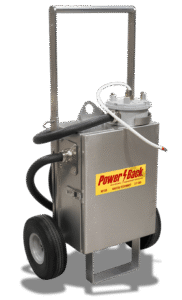
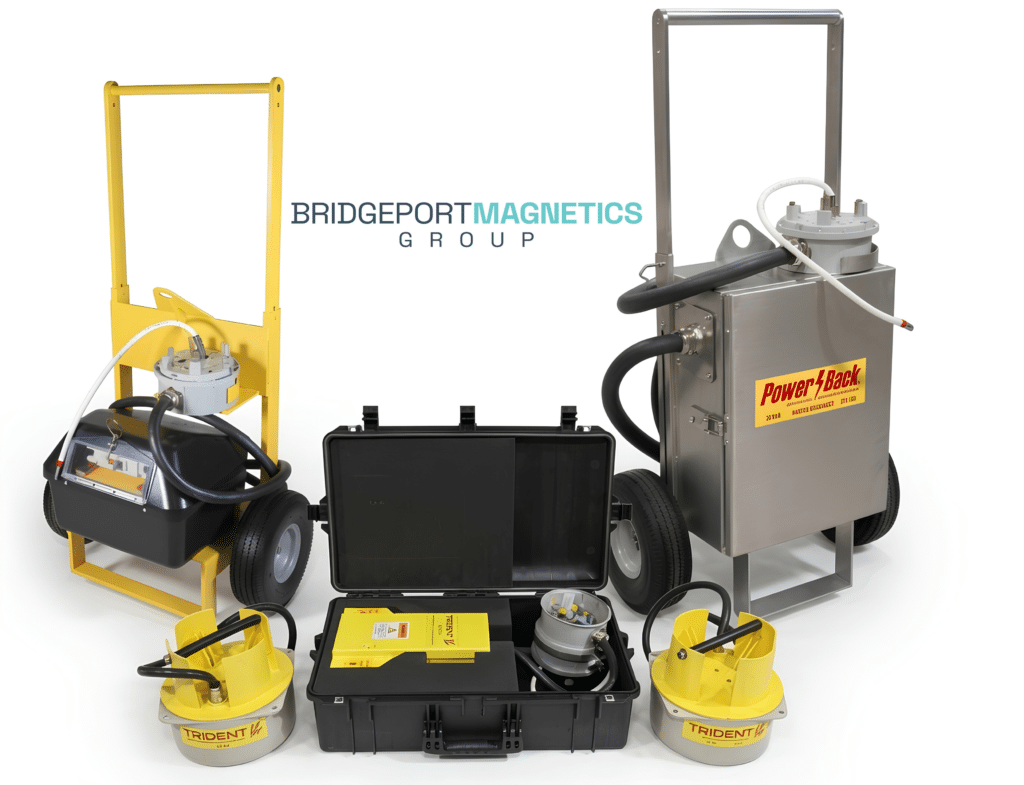
| Wheeled Units | Standard access residential and light commercial | Higher capacity, easy to roll | PowerBack |
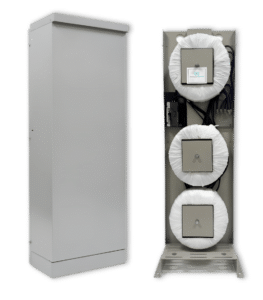
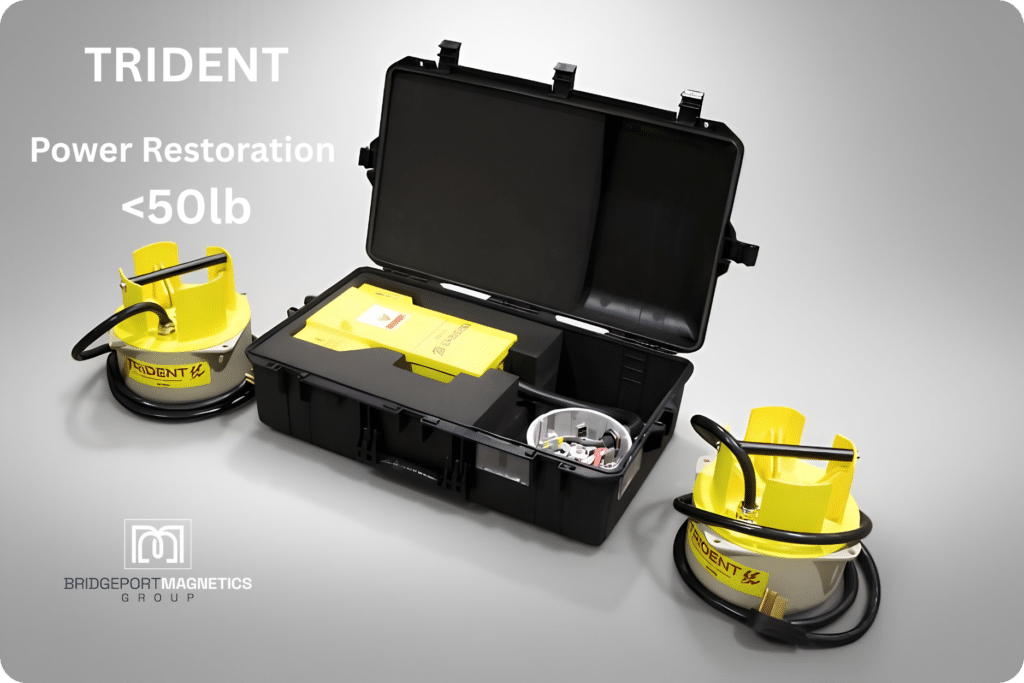
| Modular / Hand-Carry | Difficult access (backyards, stairs, rough terrain) | Lightweight, one-person carry | Trident |
| Traditional Service Saver / Auto-cart | Quick single-home restorations | Compact, simple design | Various |
Service Saver and Auto-cart in Modern Outage Response
While the terms Service Saver and Auto-cart are still commonly used in the field, many utilities are upgrading to more advanced equipment. Newer wheeled units offer higher capacity, better safety features (such as thermal protection and optional GFI), and improved mobility compared to older designs.
The Auto-cart style of device remains popular because it is easy for crews to move around job sites. However, modern versions like the PowerBack combine the convenience of a wheeled cart with better performance and durability.
PowerBack and Trident: Modern Solutions for Utility Outage Response
Bridgeport Magnetics developed the PowerBack and Trident families to meet the real needs of utility crews during outage response.
- PowerBack units are available in 20 kVA, 30 kVA, and 50 kVA models. They feature rugged stainless steel construction, never-flat tires, and quick single-turn meter adapters.
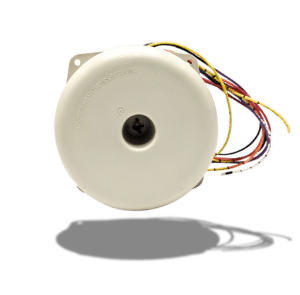
- Trident is a modular system designed for one-person carry in locations where wheeled units cannot reach.
Both product lines are built with input from working linemen and include features such as thermal protection, voltage and current monitoring, and optional GPS tracking.
Product Callout Bridgeport Magnetics PowerBack & Trident Series Utility temporary power restoration devices for outage response. PowerBack wheeled units available in 20 kVA, 30 kVA, and 50 kVA. Trident modular system for difficult access locations. All units restore missing hot leg or neutral at the meter. Made in Shelton, Connecticut.
Learn more about Bridgeport’s temporary power restoration equipment
FAQ
What is the difference between a Service Saver and an Auto-cart? Both terms generally refer to the same type of equipment. “Service Saver” is a broad term, while “Auto-cart” usually describes wheeled units that crews can roll to the job site.
How long can these devices stay connected? They are meant for temporary use. Most utilities aim to remove them within a few days to two weeks once permanent repairs are completed. However we have seen the powerback installed for over 1 year.
Can these devices be used during major storms? Yes. Many utilities rely heavily on temporary power restoration devices during storm recovery to quickly restore service while permanent repairs are prioritized.
What size device is needed for a typical home? Most single-family homes can be restored with a 15 kVA to 30 kVA unit. Larger homes or light commercial services may require 50 kVA units.
Are modern temporary power restoration devices better than older Service Savers? Newer units often offer higher capacity, better safety features, improved mobility, and more durability. Many utilities are upgrading to equipment like the PowerBack and Trident for these reasons.