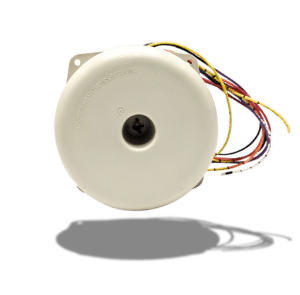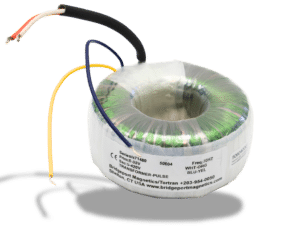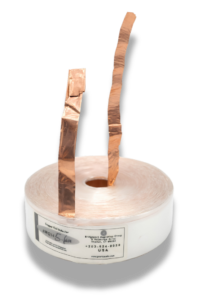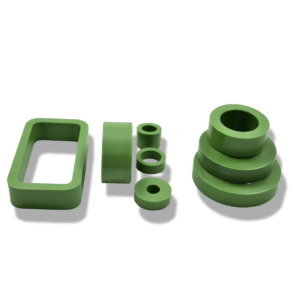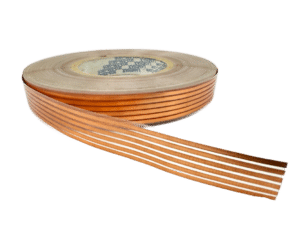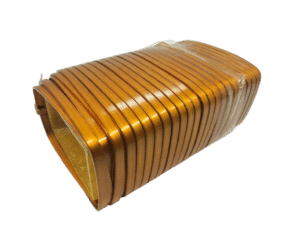
Current transformers (CTs) are essential components in electrical systems for measuring, monitoring, and protecting circuits. At the center of every current transformer is the core – the magnetic component responsible for transferring energy from the primary conductor to the secondary winding. The performance, accuracy, and reliability of a current transformer depend heavily on the quality and design of its core.
A well-engineered current transformer core ensures precise current transformation, minimal energy loss, and stable performance across varying loads and environmental conditions.
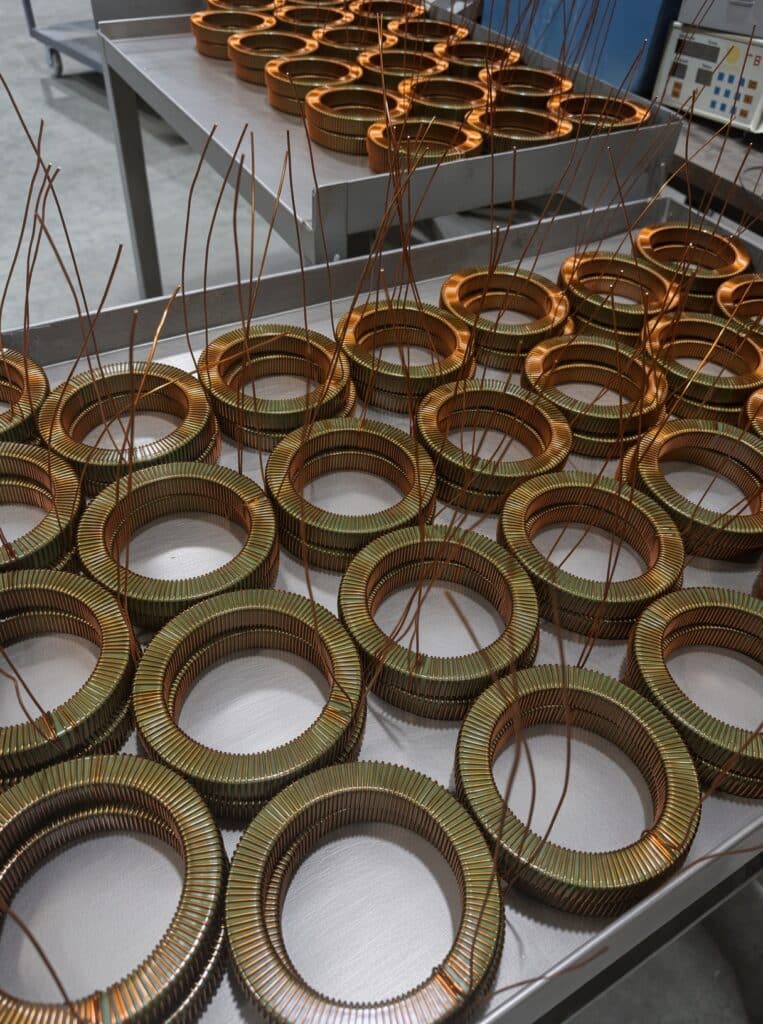
How Current Transformer Cores Work
When a high current flows through the primary conductor (often a single turn or bus bar), it generates a magnetic field. The core concentrates this magnetic flux and channels it through the secondary winding. This induces a proportional, lower current in the secondary winding that can be safely measured by meters, relays, or protection systems.
The core’s ability to efficiently manage magnetic flux directly determines how accurately the transformer can reproduce the primary current. Any inefficiency or inconsistency in the core can lead to measurement errors, increased losses, and reduced reliability.
Key Factors That Influence Core Performance
Magnetic Properties The permeability of the core material determines how effectively it can carry magnetic flux. Materials with high permeability allow for stronger flux concentration with less magnetizing current, resulting in better accuracy and lower losses.
Hysteresis Loss Hysteresis loss occurs as the magnetic domains in the core realign each time the current direction changes. Materials with low hysteresis loss reduce energy wasted as heat and improve efficiency, especially in applications with fluctuating or high-frequency currents.
Saturation Characteristics Every core material has a saturation point. Beyond this point, the core can no longer effectively carry additional flux, leading to distorted output and poor accuracy. Cores designed with appropriate materials and dimensions help maintain linear performance across the expected current range.
Temperature Stability Current transformers often operate in environments with wide temperature variations. Core materials that maintain stable magnetic properties across temperature changes ensure consistent accuracy and performance over time.
Size and Geometry The physical size and shape of the core affect both its current-carrying capacity and its suitability for specific installations. Larger cores can handle higher currents before saturating, while compact designs are preferred in space-constrained applications.
Comparison of Common Current Transformer Core Materials
| Core Material | Permeability | Hysteresis Loss | Saturation Level | Temperature Stability | Best Applications | Relative Cost |
|---|---|---|---|---|---|---|
| Silicon Steel | High | Moderate | Moderate | Good | General metering and protection | Low |
| Grain-Oriented Steel | Very High | Low | High | Good | High-accuracy metering | Medium |
| Amorphous Metal | High | Very Low | Moderate | Excellent | High-efficiency and low-loss applications | Higher |
| Ferrite | Moderate | Low | Low | Excellent | High-frequency and precision applications | Medium |
| Nanocrystalline | Very High | Very Low | High | Excellent | High-accuracy, low-loss, compact designs | High |
Applications of Current Transformer Cores
Current transformer cores are used across a wide range of industries:
- Power Generation and Utilities: For metering, protection, and monitoring in substations and power plants.
- Industrial Automation: To monitor motor currents and protect machinery.
- Data Centers: For precise branch circuit monitoring and power quality analysis.
- Renewable Energy: To measure current in solar inverters and wind turbine systems.
- Electric Vehicles: For battery management and charging system monitoring.
In each of these applications, core material selection and design directly impact measurement accuracy and system reliability.
Bridgeport Magnetics Group: High-Performance Current Transformer Cores
Bridgeport Magnetics Group designs and manufactures precision current transformer cores using high-quality materials such as silicon steel, grain-oriented steel, and amorphous metals. Our cores are engineered for low losses, high accuracy, and stable performance across a wide range of operating conditions.
We offer both standard and custom current transformer cores tailored to specific accuracy classes, current ratings, and environmental requirements. Whether you need cores for utility metering, industrial protection, or specialized monitoring applications, our team can deliver reliable solutions.
Contact Bridgeport Magnetics Group to discuss your current transformer core requirements.
Phone: (203) 954-0050 Email: [email protected] Website: bridgeportmagnetics.com
Frequently Asked Questions
What is the main function of a current transformer core? The core concentrates the magnetic flux generated by the primary current and transfers it to the secondary winding, enabling accurate current measurement and transformation.
Why does core material matter in current transformers? Different materials offer varying levels of permeability, hysteresis loss, and saturation characteristics. Choosing the right material directly affects accuracy, efficiency, and performance stability.
Which core material is best for high-accuracy applications? Grain-oriented silicon steel and nanocrystalline materials are commonly used for high-accuracy metering because they offer low losses and excellent magnetic properties.
How does temperature affect current transformer core performance? Temperature changes can alter the magnetic properties of the core. Materials with good temperature stability help maintain consistent accuracy across a wide operating range.
Ready to improve the performance of your current transformers? Contact Bridgeport Magnetics Group to explore high-quality core solutions.