When wheeled temporary power restoration devices cannot reach the meter due to gates, stairs, narrow alleys, or rough terrain, crews need a solution they can carry in by hand. The Trident temporary power restoration system was designed specifically for these difficult-access situations.
This guide explains how the Trident works, when to use it, and why it gives utilities a practical option that traditional wheeled units often cannot provide.
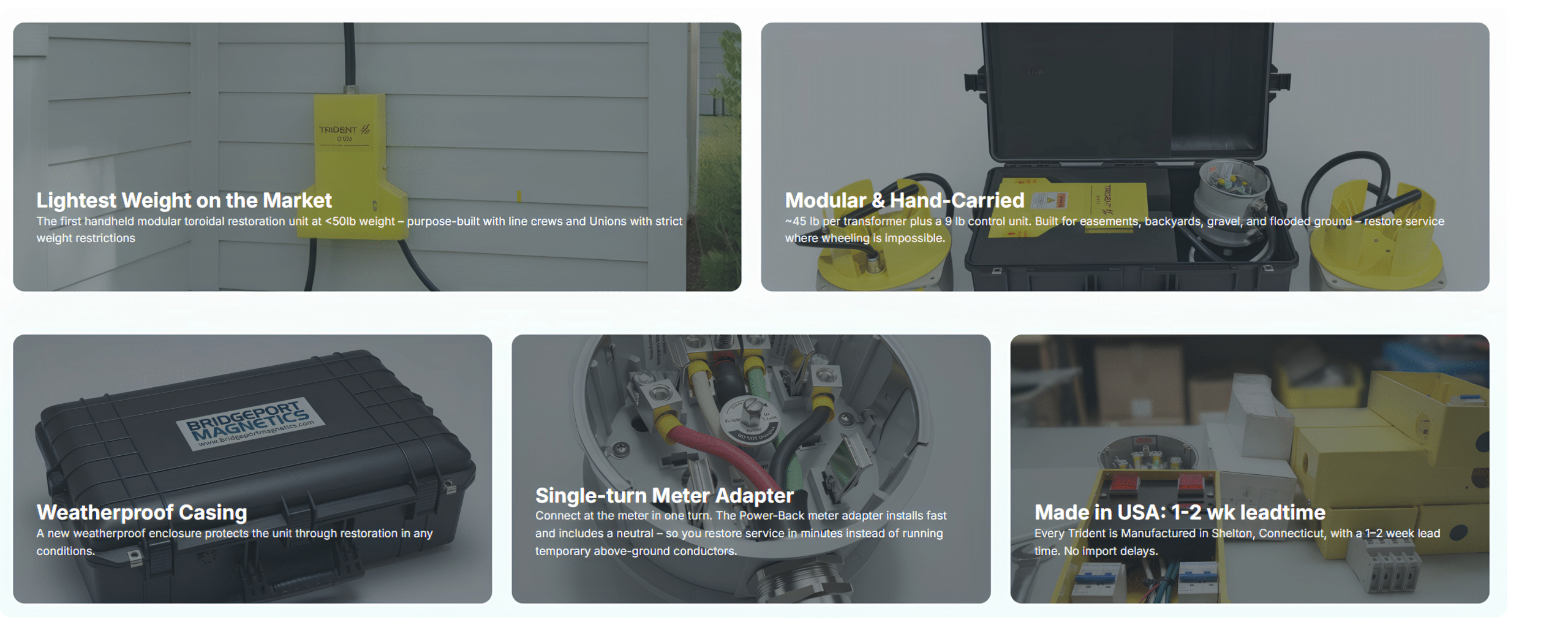 Trident Power Restoration Autotransformer (Add-a-Phase) Advantages
The Access Problem Wheeled Units Cannot Solve
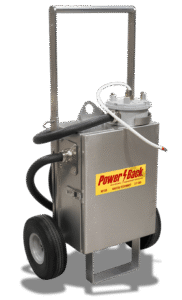
Many temporary power restoration devices are mounted on wheeled carts. While useful on open driveways, these units frequently become impractical in real residential settings.
Common obstacles include narrow backyard gates, stairs, apartment access points, gravel or flooded ground after storms, and tight alleys. In these situations, pushing or pulling a heavy cart can be unsafe or impossible, especially under union weight limits or during single-person deployments.
How the Trident Temporary Power Restoration System Works
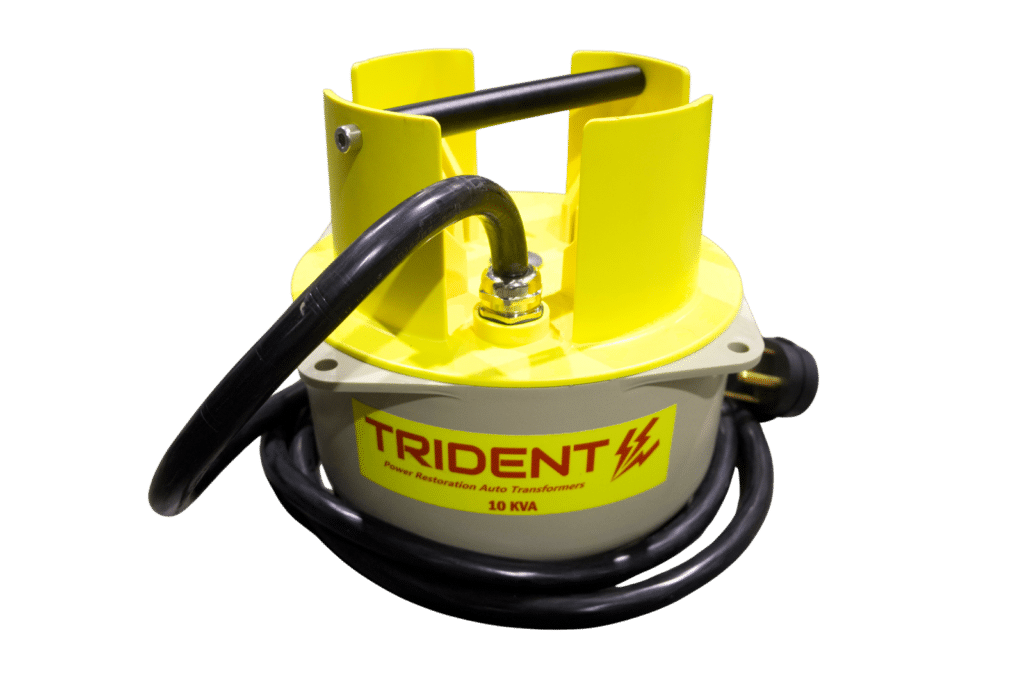
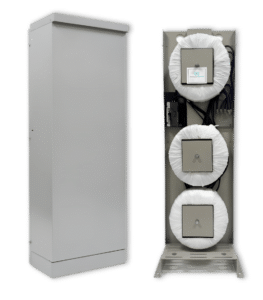
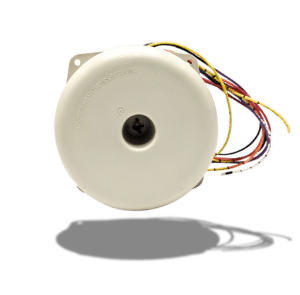
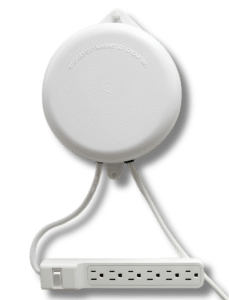
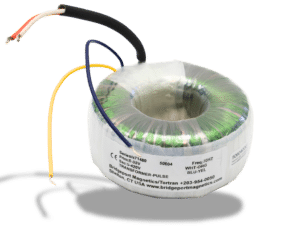
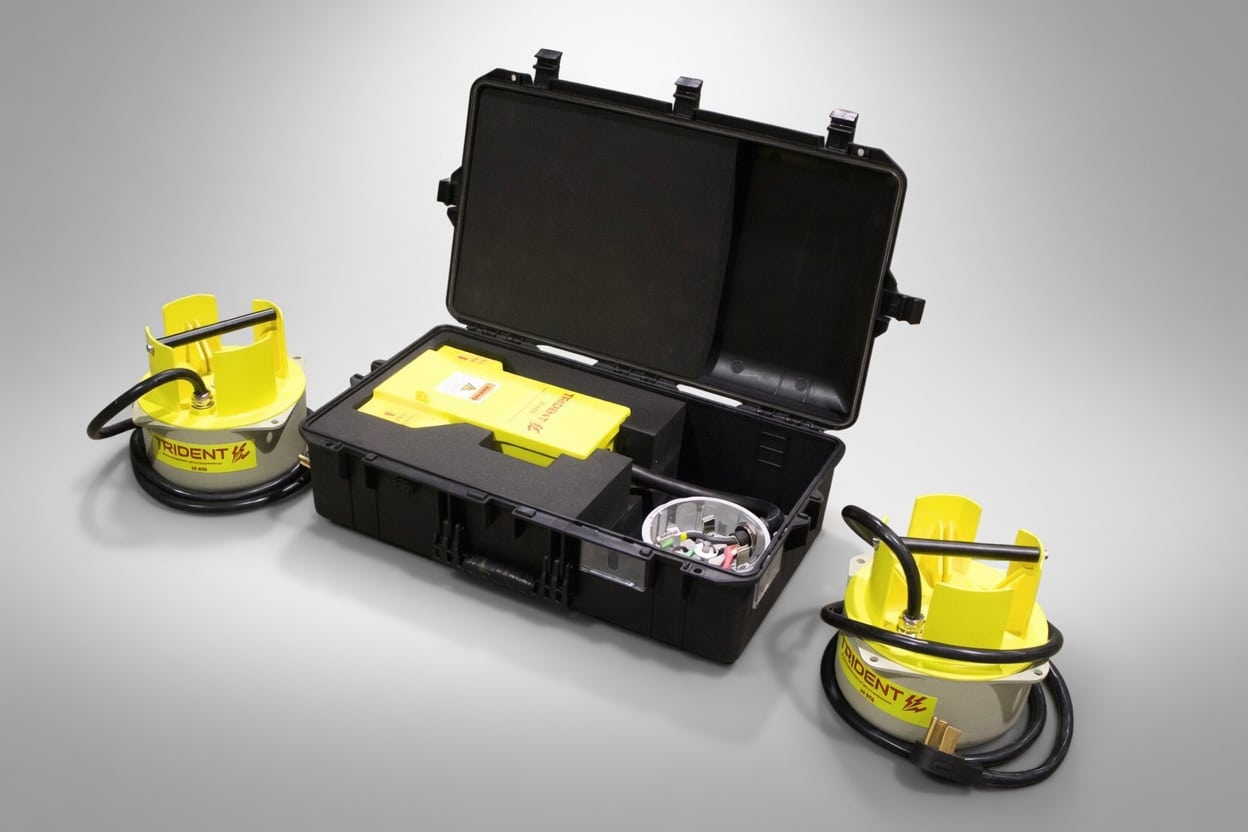
The Trident is a modular autotransformer system built for one-person carry and deployment. It consists of two identical 10 kVA toroidal modules (each weighing 45 lbs) plus a lightweight control unit.
Crews can use one module for smaller services or both modules together to restore service on homes with up to 200 A. The system connects at the meter socket and regenerates the missing hot leg or neutral while permanent cable repairs are completed.
Because the modules are compact and hand-carryable, linemen can bring the equipment through gates, up stairs, or across difficult ground where wheeled units cannot go.
The 45-lb Module Built Around the Lineman’s Reality
Bridgeport designed the Trident modules with input from working line crews. At 45 lbs each, the modules stay within practical single-person carry guidelines used by many utilities and unions.
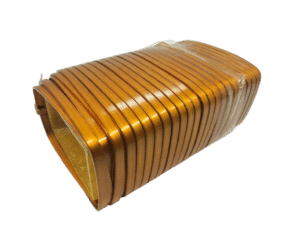
The toroidal construction keeps the units relatively compact and efficient while remaining rugged enough for field use. Optional GPS tracking is available for fleet management, and cable lengths and adapters can be configured to match specific operational needs.
This focus on real-world lineman requirements makes the Trident effective in locations that challenge traditional equipment.
Deployment Step-by-Step in Difficult Access
Typical deployment in challenging locations follows this process:
-
- Evaluate the site and confirm that wheeled equipment cannot safely or practically reach the meter.
- Carry the control unit and one or both 45-lb modules to the meter location.
- Make the connection between the meter socket and the meter using the appropriate adapter.
- Verify proper voltage and restore service to the customer.
- Monitor the installation until permanent repairs are finished.
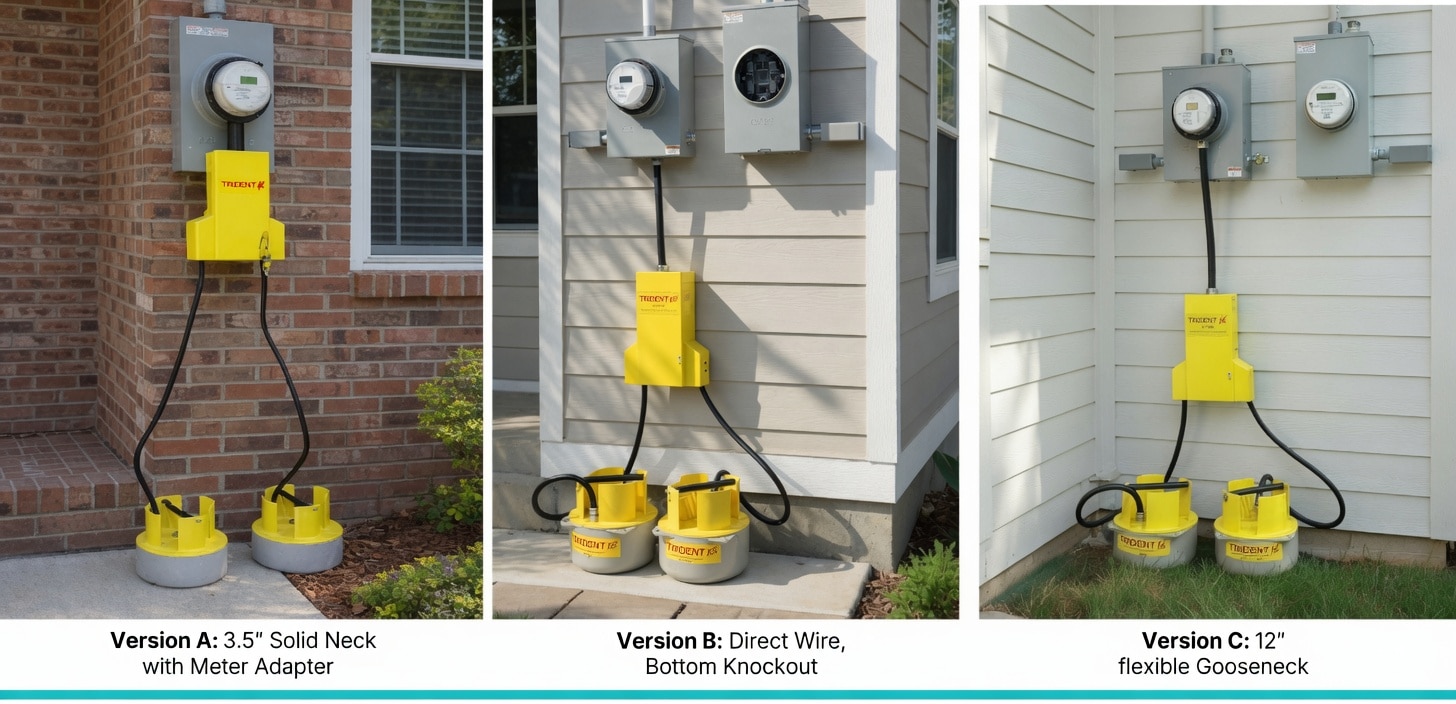
The modular design allows crews to match the equipment to the job instead of forcing a larger wheeled unit into unsuitable terrain.
When One Modular 10 kVA vs Both Modules
Crews can deploy a single 10 kVA module for lower-load residential services. When full capacity is needed, both modules work together to support up to 200 A service.
This flexibility helps utilities avoid over-deploying equipment while still meeting customer restoration needs across a wide range of service sizes.
Trident vs Wheeled PowerBack by Access Scenario
Here is a practical comparison for common field conditions:
Backyard gate or narrow easement Trident performs well because modules can be carried through restricted access points. Wheeled units are often blocked or difficult to maneuver.
Apartment stairs or limited elevator access Trident is usually the better choice since modules can be carried individually. Wheeled units are typically not feasible.
Flooded ground, gravel, or rough terrain Trident has a clear advantage because it does not rely on wheels. Wheeled units face high risk of getting stuck or damaged.
Open driveway with clear access Both options work, though a wheeled PowerBack may be faster to position in easy-access locations.
Utilities that maintain both Trident and wheeled PowerBack units in their fleet can select the right tool based on actual site conditions.
Product Callout Trident Temporary Power Restoration System Modular hand-carried design with two 45-lb 10 kVA units and control unit. Restores missing hot leg or neutral on services up to 200 A. Built for one-person deployment in backyards, easements, stairs, and rough terrain where wheeled units cannot reach. Optional GPS available. Made in Shelton, Connecticut.
Learn more about the Trident system
FAQ: Trident Temporary Power Restoration System
What is the Trident temporary power restoration system? The Trident is a modular, hand-carried autotransformer system from Bridgeport Magnetics. It uses one or two 45-lb 10 kVA modules plus a control unit to restore a missing hot leg or neutral at the meter in locations where wheeled equipment cannot reach.
How much does each Trident module weigh? Each 10 kVA module weighs 45 lbs. The control unit adds roughly 9 lbs.
Can one person carry and set up the Trident? Yes. The system was purpose-built for single-lineman carry and deployment in difficult-access areas.
What service sizes can the Trident support? One module handles smaller residential loads. Using both modules together supports restoration on services up to 200 A.
When should crews choose Trident instead of a wheeled unit? Use Trident when access involves gates, stairs, narrow alleys, flooded or rough ground, or any location where moving a wheeled cart would be unsafe or impractical.
Is the Trident available with GPS tracking? Yes. GPS is an available option for fleet management and asset tracking.