Service savor storm restoration (Bridgeport Magnetics Powerback) has become a critical strategy for utilities responding to major weather events. Single leg failures increase significantly during storms, and many utilities are moving away from traditional methods in favor of modern service savor units that deliver faster and safer results.
What Is a Service Savor Unit?
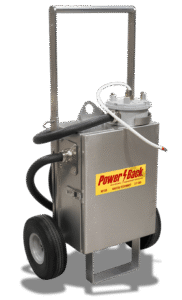
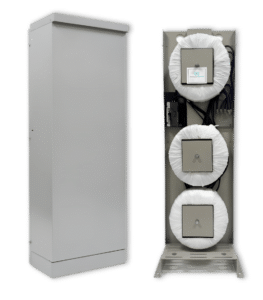
A service savor unit is a portable temporary power restoration device that restores a missing hot leg or neutral directly at the customer’s meter. These units connect through a meter adapter and regenerate the missing voltage using the remaining energized conductors. Many utilities now refer to advanced wheeled and modular temporary power restoration devices as service savor units because of how effectively they handle partial outages during storms.
Why Storm Restoration Creates Unique Challenges
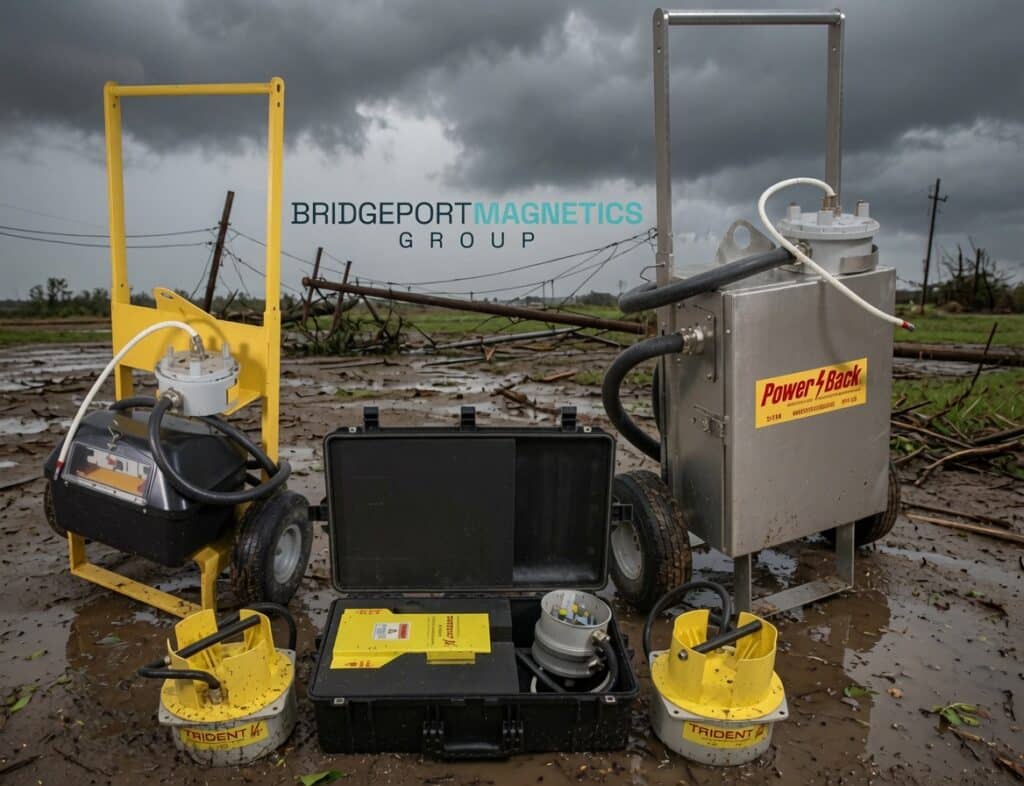
Storms create difficult conditions for utility crews. High winds, flooding, lightning, and debris often damage underground and overhead infrastructure, resulting in large numbers of single leg failures. At the same time, utilities face difficult operational decisions during these events.
Some crews attempt to trench and make permanent repairs immediately, but manpower is often limited during major storms. Others choose to wait for better weather and rely on temporary power solutions until conditions improve (especially when snow covers the ground and makes trenching impractical). These decisions directly impact how quickly customers get power back and how much risk crews are exposed to.
5 Reasons Service Savor Units Improve Storm Restoration for Utilities
Here are the five key reasons service savor units have become a preferred solution during storm events:
1. Faster Restoration Without Waiting for Perfect Conditions Powerback units allow crews to restore power quickly at the meter instead of waiting for better weather to trench or make permanent repairs. This is especially valuable when snow or ongoing storms make immediate excavation unsafe or impossible.
2. Eliminates the Need for Dangerous Temporary Overhead Lines One of the biggest problems with older restoration methods was pulling temporary lines through customer yards. This created serious safety risks, particularly with dogs and young children present. It also created liability concerns for both the utility and the homeowner. Service savor units remove this risk entirely by connecting directly at the meter.
3. Avoids Inaccurate Meter Readings from Neighbor Connections In the past, some crews would pull temporary power from a neighbor’s service. While this restored power, it often resulted in inaccurate meter readings and billing issues for both customers. Powerback units restore power directly to the affected meter, eliminating this problem.
4. Lightweight and Modular Designs Work Better in Bad Weather Older bulky power restoration units were very difficult to move through mud, snow, or debris. Many utilities now prefer lighter modular systems (such as 45-pound handheld units) that a single lineman can carry through difficult conditions to reach the meter. This flexibility is a major advantage during active storms.
5. Reduces Crew Strain and Improves Safety During Long Events By removing the need to string temporary lines and reducing the physical effort required to position equipment, service savor units lower the risk of injuries. This is especially important during extended storm restoration shifts when crew fatigue becomes a real concern.
Comparison: Traditional Temporary Lines vs Modern Service Savor Units
| Factor | Traditional Temporary Overhead Lines | Modern Service Savor Units | Clear Advantage |
|---|---|---|---|
| Installation Time | Longer, especially in debris or wet conditions | Typically 20–30 minutes | Temporary Power Restoration |
| Safety Risk | Higher (exposed lines in yards and streets) | Lower | Temporary Power Restoration |
| Need to Pull Lines Through Yards | Yes | No | Temporary Power Restoration |
| Risk to Children and Pets | High | None | Temporary Power Restoration |
| Accurate Meter Readings | Often inaccurate when pulled from neighbor | Accurate (connected to correct meter) | Temporary Power Restoration |
| Ability to Work in Bad Weather | Difficult | Strong (especially with lightweight modular options) | Temporary Power Restoration |
| Crew Requirements | Often requires multiple people | Frequently manageable by one lineman | Temporary Power Restoration |
| Liability Concerns | Higher | Significantly reduced | Temporary Power Restoration |
Real-World Storm Restoration Decisions
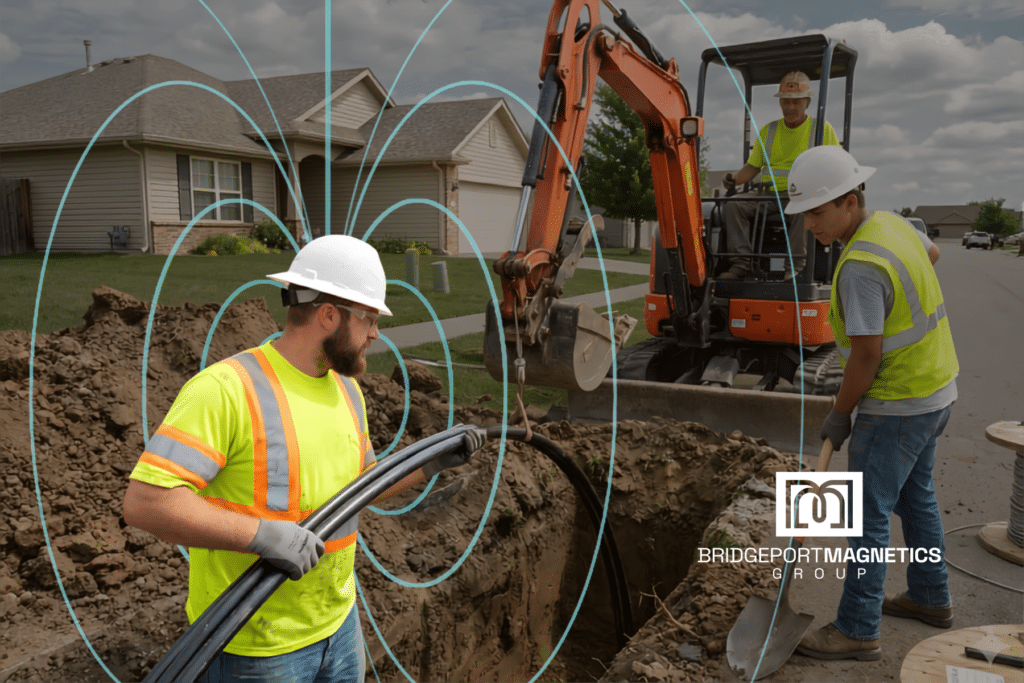
Utilities often face difficult choices during major storms. Some attempt immediate trenching and permanent repairs, but limited manpower frequently makes this impossible. Others choose to wait for better weather and use service savor units in the meantime – especially when snow covers the ground and makes excavation impractical.
In these situations, lightweight modular service savor units (such as handheld systems around 45 pounds) give crews the ability to reach meters even when conditions are poor. This flexibility allows power to be restored safely without forcing crews to take unnecessary risks.
FAQ
What is a service savor unit? A service savor unit is a modern temporary power restoration device used by utilities to restore a missing hot leg or neutral directly at the customer’s meter. These units connect through a simple meter adapter and regenerate the missing voltage using the remaining energized conductors. Many utilities now use the term “service savor” to describe advanced wheeled and modular temporary power restoration devices because of how effectively they handle single leg failures. Unlike older, bulky units, today’s service savor units are designed to be lighter, more durable, and easier to deploy in real-world conditions, including during and after major storms.
Why are service savor units better than pulling temporary lines during storms? Service savor units eliminate many of the safety and operational problems associated with traditional temporary overhead lines. Running temporary lines through customer yards creates serious risks, especially when dogs and young children are present, and it also increases liability for both the utility and the homeowner. Additionally, pulling power from a neighbor’s service can lead to inaccurate meter readings and billing disputes. Service savor units avoid all of these issues by connecting directly to the affected meter, providing accurate restoration while significantly reducing safety hazards and operational complexity during storm events.
Can one lineman use a service savor unit in bad weather? Yes. Many modern service savor units are lightweight and modular, allowing a single lineman to transport and position them even in challenging conditions. For example, some utilities use compact handheld units around 45 pounds that can be carried through mud, snow, or debris to reach the meter. This is a major advantage during storm restoration when crews are often short-staffed and need to cover more ground quickly. The ability for one person to handle the equipment reduces the need to coordinate multiple crew members and allows for faster response times in difficult weather.
When do utilities choose to use service savor units instead of immediate repairs? Utilities often choose service savor units when immediate trenching or permanent repairs are not practical. This commonly happens when manpower is limited during major storm events, when ongoing weather makes excavation unsafe, or when snow covers the ground and delays digging. In these situations, service savor units allow crews to restore power quickly and safely while permanent repairs are scheduled for better conditions. This approach helps reduce customer outage duration without forcing crews to take unnecessary risks in hazardous environments.
How long can a service savor unit stay connected after a storm? Service savor units are designed for temporary use while permanent cable repairs are completed. In most cases, they remain connected for a few days to a couple of weeks, depending on the severity of the damage and crew workload. Utilities typically prioritize permanent repairs as soon as conditions allow, but service savor units provide a reliable bridge that keeps customers powered and reduces the overall impact of the outage. Proper monitoring and timely removal are important to ensure the units are not left in place longer than necessary.
How do service savor units help improve crew safety during storm restoration? Service savor units significantly reduce the risks associated with traditional restoration methods. By eliminating the need to string temporary overhead lines across yards, streets, and storm debris, they lower the chance of accidents involving both crews and the public. Additionally, the lighter and more maneuverable designs reduce physical strain on linemen, which helps prevent injuries during long shifts. This is especially important during extended storm recovery periods when crews are working in challenging conditions for many consecutive days.
Do service savor units work well in both summer storms and winter weather? Yes. Service savor units are effective in a wide range of weather conditions. During summer storms, they allow fast restoration without the hazards of temporary lines in wet or debris-filled areas. In winter, when snow and ice make trenching difficult or impossible, utilities can use service savor units to provide temporary power until conditions improve enough for permanent repairs. Their rugged construction and lightweight options make them versatile tools throughout the year.
How do service savor units affect customer satisfaction during major outages? Service savor units help improve customer satisfaction by restoring power much faster than traditional methods. Customers experience shorter outage durations and avoid the inconvenience of half-powered homes for extended periods. Because the units connect directly to the correct meter, there are no billing issues from neighbor connections. Faster and cleaner restoration also reduces the number of complaints and calls utilities receive during and after major storm events.
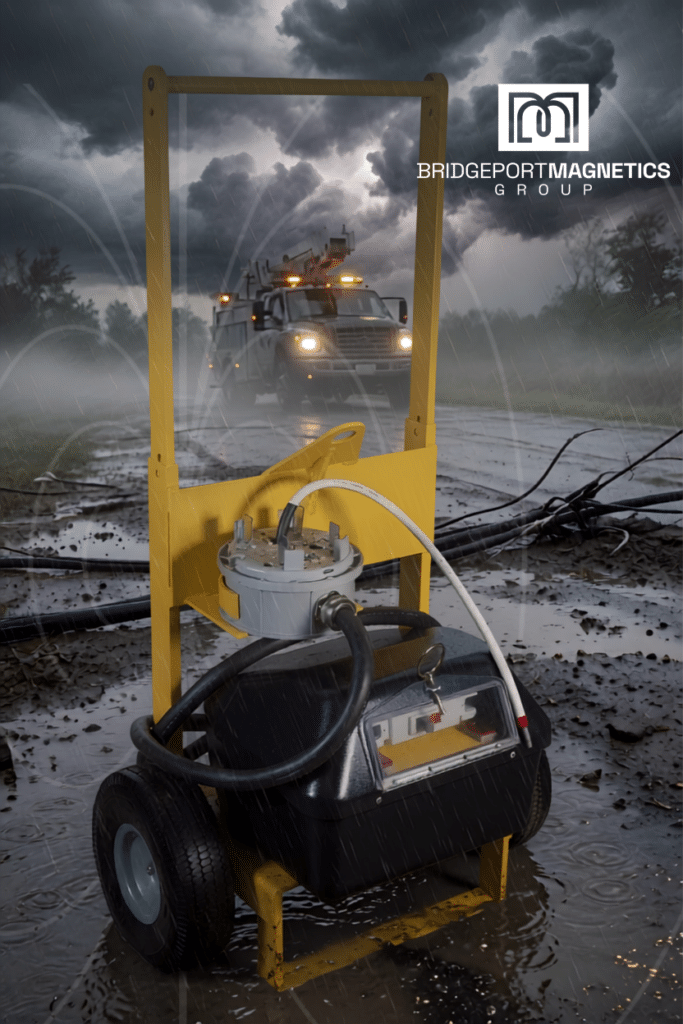
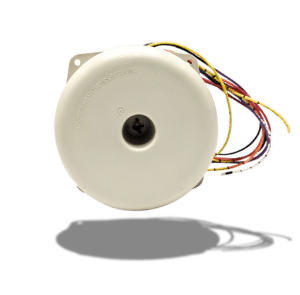
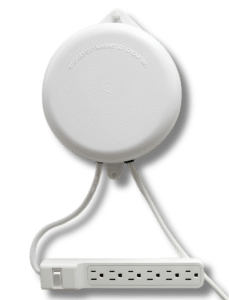
Product Callout Bridgeport Magnetics PowerBack & Trident Series Temporary Power Restoration units built for real-world storm restoration. Lightweight, USA-made temporary power restoration devices that restore missing hot legs quickly at the meter without temporary overhead lines. Designed for fast, safe deployment during hurricanes, thunderstorms, and major outage events.