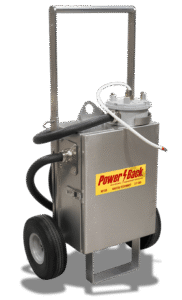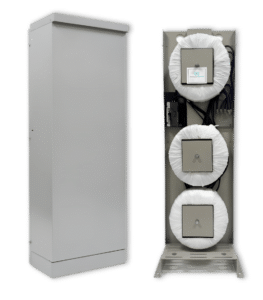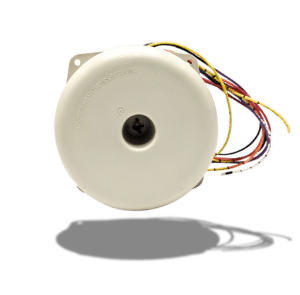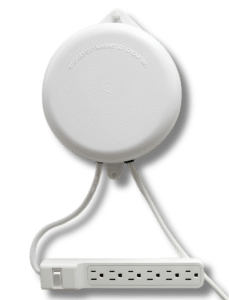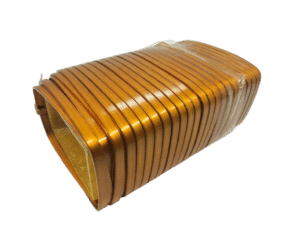
Low leakage current medical isolation transformers are a critical component in modern healthcare and medical device design. In patient care environments, even very small amounts of electrical leakage can create risk. These specialized transformers are engineered to keep leakage current extremely low while still delivering reliable power to medical equipment. Understanding why low leakage current matters, how it is achieved, and where these transformers are used helps biomedical engineers, facility managers, and OEM designers make better decisions.
This post explains the technical and practical importance of low leakage current medical isolation transformers, how design choices affect performance, and how they support patient safety and regulatory compliance.
What Is Leakage Current and Why Does It Matter?
Leakage current is the small amount of electrical current that flows from the power source through insulation, capacitive coupling, or other unintended paths. In everyday environments this current is usually harmless. In medical settings, especially when equipment contacts a patient, even microamp-level currents can become dangerous.
Medical standards such as IEC 60601-1 set strict limits on allowable leakage current for different types of applied parts. Devices used near the heart (Type CF) have the lowest allowable limits, while other patient-connected equipment still faces very tight restrictions. A low leakage current medical isolation transformer is specifically designed to help equipment stay within these limits under both normal and single-fault conditions.
How Medical Isolation Transformers Reduce Leakage Current
A medical isolation transformer provides galvanic isolation between the incoming power supply and the medical device. By breaking the direct conductive path, it significantly reduces the amount of leakage current that can reach the patient or the equipment enclosure.
Several design features contribute to low leakage performance:
- High-quality insulation systems
- Electrostatic shielding between primary and secondary windings
- Careful control of interwinding capacitance
- Toroidal core construction that minimizes stray magnetic fields
- Proper grounding and shielding practices
When these elements are combined, the transformer can achieve leakage current levels well below the thresholds required by medical safety standards.

Why Low Leakage Current Is Essential in Healthcare
| Situation | Risk Without Low Leakage Current | Benefit of Low Leakage Design |
|---|---|---|
| Direct patient contact equipment | Possible microshock risk | Keeps current well within safe limits |
| Operating rooms and ICUs | Multiple devices connected to the same patient | Reduces cumulative leakage |
| Cardiac and invasive procedures | Extremely low tolerance for leakage | Supports Type CF performance requirements |
| Older facilities with poor grounding | Higher background leakage from building wiring | Isolation helps compensate for facility issues |
| Sensitive monitoring equipment | Electrical noise can affect readings | Lower EMI and cleaner power |
Low leakage current is not just a technical specification. It is a practical patient safety requirement.
Design Factors That Influence Leakage Current
Not all isolation transformers perform equally. Several factors determine how low the leakage current will be:
Core and Winding Design Toroidal cores generally produce lower stray fields and lower interwinding capacitance than traditional EI laminated cores. This contributes to better leakage performance.
Electrostatic Shielding A properly designed electrostatic shield between the primary and secondary windings reduces capacitive coupling, which is a major source of leakage current at power-line frequencies.
Insulation System High-quality insulation materials and careful manufacturing processes help maintain low leakage over the life of the transformer.
Enclosure and Grounding The way the transformer is enclosed and grounded also affects measured leakage. Enclosed designs often provide more consistent results in real installations.
Case Study: Improving Leakage Performance in a Multi-Device Procedure Room
A mid-sized regional hospital was upgrading a procedure room that supported several pieces of patient-connected equipment, including patient monitors, an electrosurgical unit, and diagnostic devices. During pre-installation testing, the combined system leakage current approached the upper limit allowed under IEC 60601-1 for the intended applied parts classification.
The biomedical engineering team evaluated several options. Adding individual filters and redesigning power distribution would have been expensive and time-consuming. Instead, they installed a properly sized low leakage current medical isolation transformer at the room level.
After installation, measured patient leakage current dropped substantially and remained well within the required limits even under single-fault test conditions. The transformer also reduced electrical noise that had previously affected one of the monitoring systems. The hospital was able to complete the room upgrade on schedule without major redesign of the existing equipment.
This case illustrates a common real-world situation: a low leakage current medical isolation transformer can solve cumulative leakage problems that are difficult to address at the individual device level.
Benefits of Using Low Leakage Current Medical Isolation Transformers
1. Improved Patient Safety The primary benefit is reduced risk of electrical shock, particularly in environments where patients may have compromised skin integrity or invasive connections.
2. Easier Regulatory Compliance Equipment and systems that incorporate low leakage transformers are more likely to meet IEC 60601-1 and related standards during testing and inspection.
3. Better Equipment Performance Lower leakage and reduced electromagnetic interference often translate into cleaner signals for sensitive monitoring and diagnostic devices.
4. Flexibility in System Design Designers can combine multiple devices on a single isolated power source while still staying within leakage limits.
5. Support for Older Infrastructure In facilities with aging electrical systems, a medical isolation transformer can help compensate for higher background leakage from the building wiring.

Comparison: Standard Isolation Transformer vs Low Leakage Medical Isolation Transformer
| Feature | Standard Isolation Transformer | Low Leakage Current Medical Isolation Transformer | Advantage for Medical Use |
|---|---|---|---|
| Leakage Current Performance | Variable, often higher | Engineered for very low leakage | Medical |
| Electrostatic Shielding | Optional or absent | Standard on quality medical designs | Medical |
| Compliance Support | Limited | Designed to support IEC 60601-1 | Medical |
| Suitability for Patient Contact | Not recommended | Appropriate when properly applied | Medical |
| Electromagnetic Interference | Higher | Lower | Medical |
| Typical Applications | Industrial and general electronics | Hospitals, clinics, medical OEMs | Medical |
Popular IsoPuck Models for Low Leakage Applications
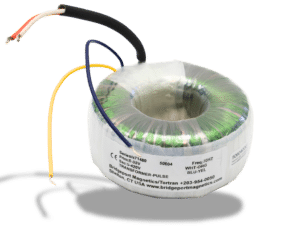
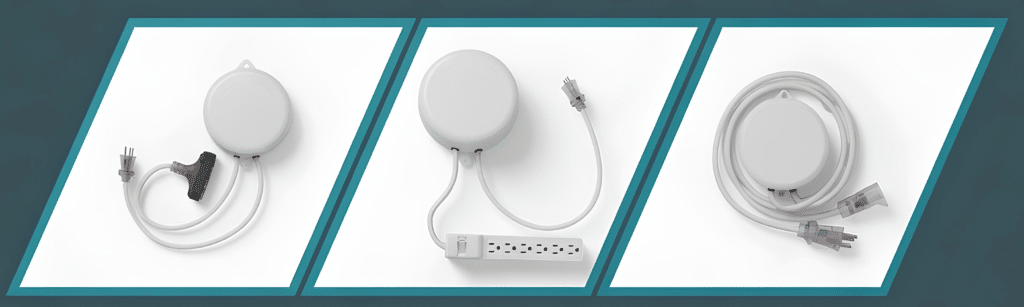
Bridgeport Magnetics manufactures compact toroidal medical isolation transformers under the IsoPuck brand that are designed for low leakage performance. Two models well suited for healthcare and OEM applications are the IP1000/60 and the IP1600/60.
- The IP1000/60 (1000VA) offers a strong balance of capacity and compact size for procedure rooms, diagnostic equipment, and mid-sized medical systems.
- The IP1600/60 (1600VA) provides higher capacity for larger installations or multiple devices while maintaining excellent leakage current performance.
Both models feature electrostatic shielding and are designed to support compliance with UL 60601-1 and IEC 60601-1 requirements.
Product Callout Bridgeport Magnetics IsoPuck Series Low leakage current medical isolation transformers from 200 VA to 3000 VA, including the IP1000/60 (1000VA) and IP1600/60 (1600VA) models. Toroidal design with electrostatic shielding for excellent leakage performance. UL 60601-1 and IEC 60601-1 compliant. Custom configurations available.
Request a quote or speak with our engineers
FAQ
What is considered low leakage current for a medical isolation transformer? Low leakage current for a medical isolation transformer generally means performance that supports the limits defined in IEC 60601-1. For many patient-connected applications, this means keeping patient leakage well below 100 µA under normal conditions and within the single-fault limits for the specific applied part type. A properly designed low leakage current medical isolation transformer is engineered to stay within these thresholds under real operating conditions.
Why do medical isolation transformers need lower leakage current than regular isolation transformers? Medical environments involve direct or conductive patient contact. Even small currents that would be unnoticed in industrial settings can pose a risk to patients, especially during invasive procedures or when multiple devices are connected. Regular isolation transformers are not designed or tested to meet these strict limits, which is why a low leakage current medical isolation transformer is required for medical applications.
How does a toroidal design help achieve low leakage current? Toroidal transformers typically have lower interwinding capacitance and reduced stray magnetic fields compared with traditional EI core designs. The continuous wound core and tighter magnetic path help minimize unwanted coupling between windings. When combined with electrostatic shielding, this construction allows a low leakage current medical isolation transformer to achieve better performance than many conventional designs.
Can one low leakage current medical isolation transformer support multiple devices? Yes, provided the total load stays within the transformer’s rating and the combined leakage of the system remains within acceptable limits. In practice, many hospitals and OEMs use a single low leakage current medical isolation transformer to power several devices in a procedure room or equipment cart. Proper system-level evaluation is still required to confirm overall compliance.
Do enclosed medical isolation transformers perform better for leakage current? Enclosed designs often provide more consistent performance because the enclosure and internal layout can be optimized for shielding and grounding. The enclosure also helps protect the transformer from environmental factors that could affect insulation over time. However, the core and winding design remain the most important factors in achieving low leakage current in a medical isolation transformer.
Are Bridgeport IsoPuck transformers designed for low leakage performance? Yes. The IsoPuck series is engineered as a low leakage current medical isolation transformer line, using toroidal cores and electrostatic shielding specifically to support the leakage current requirements of medical applications. These transformers are designed to help equipment meet the limits of UL 60601-1 and IEC 60601-1 when properly applied.
Final Thoughts
Low leakage current medical isolation transformers play a vital role in protecting patients and supporting regulatory compliance. By providing effective galvanic isolation and minimizing capacitive coupling, these transformers help keep leakage current within the strict limits required for medical electrical equipment. Whether used in hospitals, clinics, or OEM medical devices, a properly designed low leakage current medical isolation transformer is one of the most reliable ways to improve electrical safety in patient care environments.