An autotransformer temporary power solution is one of the most practical tools utilities use when responding to single-leg failures and partial outages. Unlike a traditional isolation transformer, an autotransformer shares a portion of its winding between the primary and secondary sides. This design allows it to restore a missing hot leg efficiently while remaining relatively compact and lightweight. Understanding how autotransformers work and why they are well suited for temporary power restoration helps utility crews and engineers make better equipment decisions in the field.
This post explains what an autotransformer is, how it differs from an isolation transformer, and the four main ways utilities use autotransformer-based temporary power units.
What Is an Autotransformer?
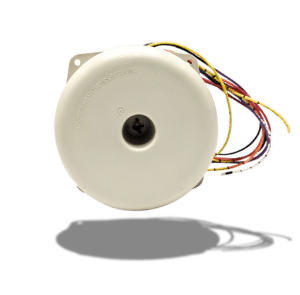
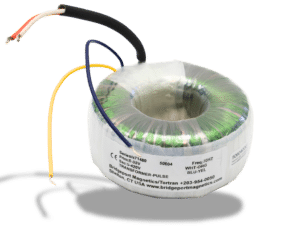
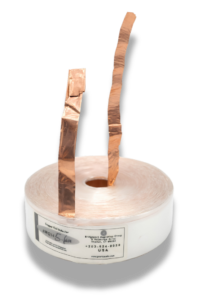
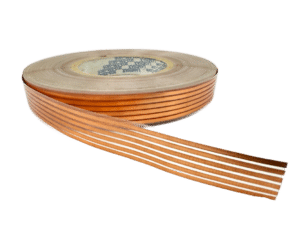
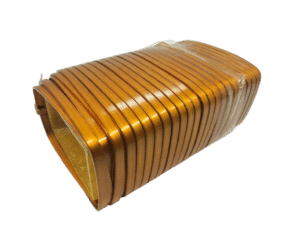
An autotransformer is a type of electrical transformer that uses a single winding for both the primary and secondary circuits. Instead of having two completely separate windings like a conventional isolation transformer, the autotransformer has one continuous winding with different connection points (taps). A portion of the winding is common to both the input and output sides.
This shared-winding design provides several practical advantages:
- Higher efficiency for a given size and weight
- Smaller physical size compared with an equivalent isolation transformer
- Lower cost for many voltage conversion applications
- Ability to step voltage up or down with relatively simple construction
In utility temporary power applications, the autotransformer is typically configured to take the remaining good hot leg and neutral and recreate the missing hot leg. The result is balanced 120/240V power at the customer’s meter.
How an Autotransformer Works
In a standard single-phase residential service, power is delivered through two hot legs (often called L1 and L2) and a neutral. When one hot leg is lost due to a cable fault or connector failure, the customer loses 240V loads and half of the 120V circuits.
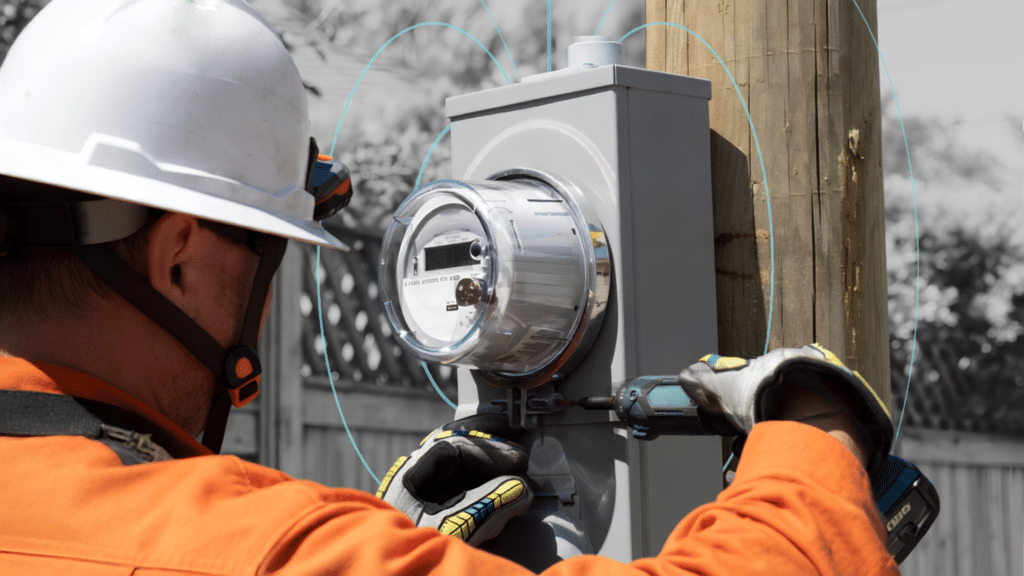
An autotransformer temporary power unit connects at the meter and uses the remaining energized hot leg as the input. Through the shared winding and carefully placed taps, the unit generates the missing voltage on the open leg. The customer then receives full 120/240V service until the permanent repair is completed.
Because part of the winding is shared, the autotransformer can transfer power more efficiently than a traditional two-winding isolation transformer of the same capacity. This efficiency advantage is one reason autotransformer designs are preferred for portable temporary power equipment.
Autotransformer vs Isolation Transformer
Understanding the difference between an autotransformer and an isolation transformer is important when evaluating temporary power solutions.
| Feature | Autotransformer | Isolation Transformer | Best for Temporary Power Restoration |
|---|---|---|---|
| Winding Design | Single shared winding | Two completely separate windings | Autotransformer |
| Size and Weight | Smaller and lighter for the same capacity | Larger and heavier | Autotransformer |
| Efficiency | Higher | Slightly lower | Autotransformer |
| Galvanic Isolation | No full galvanic isolation | Full galvanic isolation | Isolation Transformer |
| Cost | Generally lower | Generally higher | Autotransformer |
| Typical Utility Temporary Use | Very common | Less common for portable units | Autotransformer |
| Best Application | Voltage restoration and conversion | Applications requiring complete electrical separation | Depends on need |
For most temporary power restoration situations at the meter, the size, weight, and efficiency advantages of the autotransformer make it the preferred choice. Full galvanic isolation is usually not required when the goal is simply to restore a missing hot leg on an existing service.
4 Ways Utilities Use Autotransformers for Temporary Power Restoration
Here are the four primary ways utilities apply autotransformer technology in the field:
1. Restoring Single-Leg Failures Quickly When one hot leg fails due to an underground cable fault or connector problem, customers lose 240V appliances and half their 120V circuits. An autotransformer temporary power unit connects at the meter and regenerates the missing voltage, restoring full service in a short time. This approach is significantly faster than running temporary overhead lines and allows permanent repairs to be scheduled during normal working hours.
2. Supporting Storm and Weather-Related Outages After thunderstorms or hurricanes, crews often face a high volume of single-leg failures across a service territory. Lightweight autotransformer units can be positioned even when debris, flooding, or soft ground makes traditional temporary lines difficult or unsafe. The compact design helps crews cover more locations in less time during major weather events.
3. Maintaining Power During Planned Maintenance When a cable section or transformer must be taken out of service for planned work, an autotransformer temporary power unit can keep the customer powered throughout the outage window. This reduces customer impact and allows crews to complete the work without the pressure of an emergency restoration timeline.
4. Reaching Difficult Access Locations Backyards, rear-lot services, and areas with limited vehicle access present challenges for heavier equipment. Modern autotransformer temporary power units are available in wheeled and modular designs that one or two crew members can move into position. This flexibility improves response times in locations that would otherwise require extra time and resources.
Key Benefits of Autotransformer Temporary Power Units
| Benefit | Description | Operational Impact |
|---|---|---|
| Faster Restoration | Connects at the meter and restores power quickly | Reduced outage duration |
| Lighter Equipment | Smaller size and weight compared with isolation designs | Easier for one or two crew members to handle |
| No Temporary Overhead Lines | Eliminates the need to string cables across yards or streets | Improved safety and lower liability |
| Accurate Metering | Power is restored at the correct meter | Avoids billing issues |
| Flexible Use Cases | Works for emergency single-leg failures and planned maintenance | Supports both reactive and proactive work |
| Lower Operating Cost | Efficient design and reduced overtime from faster restoration | Better use of crew time |
Design Considerations for Utility Temporary Power Autotransformers
Not all autotransformers are equally suitable for field use. Important design factors include:
- Adequate continuous capacity for the expected load
- Robust thermal protection to prevent overheating
- Durable enclosure and weather resistance
- Easy-to-use meter adapter system
- Clear voltage and current monitoring
- Manageable weight and good mobility (wheels or modular design)
- Compliance with relevant safety standards
Units designed specifically for utility temporary power applications incorporate these features so crews can work efficiently and safely under real field conditions.
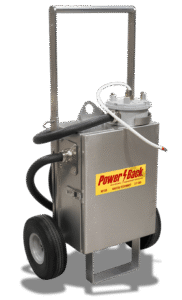
PowerBack: A Practical Autotransformer Temporary Power Solution
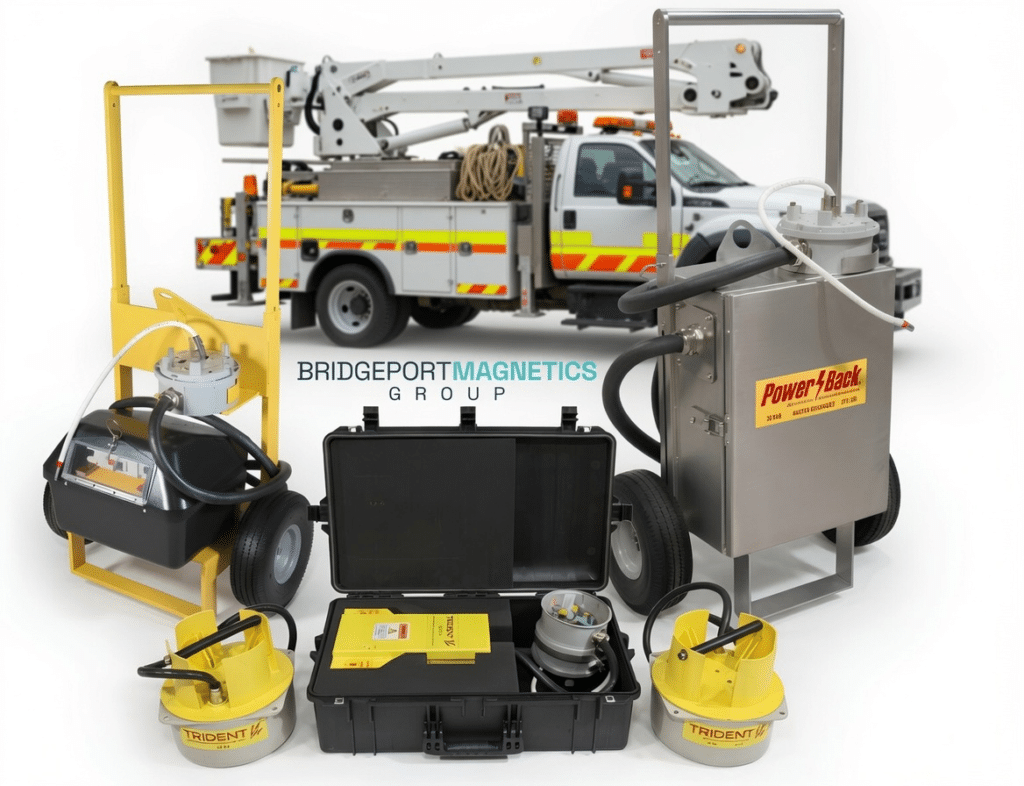
Bridgeport Magnetics developed the PowerBack series as a modern autotransformer-based temporary power restoration system. The design prioritizes the needs of working linemen:
- Lightweight wheeled construction with never-flat tires
- Quick single-turn meter adapters
- Thermal protection and monitoring features
- Durable stainless steel enclosure
- Multiple capacity options for residential and light commercial services
- Made in the United States
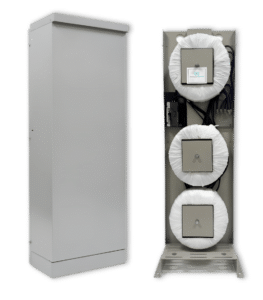
The modular Trident system provides an even lighter, hand-carry option for locations where wheeled units cannot easily reach. Both product lines use autotransformer technology optimized for temporary power restoration at the meter.
FAQ
What is an autotransformer? An autotransformer is a transformer that uses a single shared winding for both the primary and secondary circuits. This design makes it smaller, lighter, and more efficient than a traditional isolation transformer of the same capacity.
How do utilities use autotransformers for temporary power? Utilities use autotransformer temporary power units to restore a missing hot leg or neutral at the customer’s meter. The unit regenerates the lost voltage so the customer receives full 120/240V service while permanent repairs are completed.
What is the main difference between an autotransformer and an isolation transformer? An autotransformer shares part of its winding between input and output and does not provide full galvanic isolation. An isolation transformer has two completely separate windings and provides full electrical separation. For most temporary power restoration at the meter, the autotransformer’s size and efficiency advantages make it the preferred choice.
Are PowerBack units autotransformers? Yes. The PowerBack series is based on autotransformer technology specifically engineered for temporary power restoration applications. Autotransformer Power Restoration
Can one person handle an autotransformer temporary power unit? Many modern designs are light enough for a single lineman to transport and position, especially wheeled models and modular hand-carry systems.
How long can an autotransformer temporary power unit stay connected? These units are intended for temporary use. Typical connection times range from a few days to a couple of weeks while permanent repairs are scheduled and completed.
Do autotransformer temporary power units work in bad weather? Yes. Units designed for utility field use are built to operate in rain, snow, and after storms. Lightweight designs are particularly helpful when conditions make movement of heavier equipment difficult.
Final Thoughts
Autotransformers provide an efficient, compact, and field-practical solution for temporary power restoration. Their shared-winding design delivers the capacity utilities need while keeping size and weight manageable for real-world conditions. When engineered specifically for meter-based temporary power applications, autotransformer units allow crews to restore service quickly, improve safety by eliminating temporary overhead lines, and schedule permanent repairs more efficiently.
As utilities continue to manage aging infrastructure, higher peak demand, and more frequent weather events, well-designed autotransformer temporary power systems remain one of the most effective tools available for reducing outage impact.
Product Callout Bridgeport Magnetics PowerBack & Trident Series Autotransformer-based temporary power restoration units designed for utility field use. Lightweight wheeled and modular options restore missing hot legs at the meter without temporary overhead lines. Made in the USA and built for real-world conditions.