An Add-a-leg unit is one of the most practical tools a cooperative or municipal utility can put on a service truck. When a residential underground cable loses one hot leg or a neutral, the customer is immediately without full 120/240V service. The traditional response is to find the fault, excavate, splice, and restore. That work takes time, people, and overtime. An Add-a-leg device restores the missing voltage at the meter so the customer is back on while the permanent repair is scheduled.
For most co-op and municipal systems, the everyday job is a single-family 150A or 200A service, not a multi-home or light commercial load. That is where PowerBack Lite fits. It is the lighter, residential-focused Add-a-leg in the PowerBack family, built for the crews and budgets that define public power.
What Add-a-Leg Means in the Field
Utilities use several names for the same category of equipment: Service Saver, Autocart, Add-a-phase, Restore-a-phase, Dry Pak. Add-a-leg is the most direct description of the job. One conductor of a 120/240V three-wire service is open. The remaining good hot and the neutral (or both hots if the neutral is open) still have voltage. The Add-a-leg autotransformer uses those remaining conductors to regenerate the missing voltage at the meter socket.
The result is full, meterable 120/240V service for the customer without running temporary overhead lines across a yard, driveway, or street.
This matters for co-ops and municipals because a large share of their outage tickets are exactly this type of event: a single underground secondary, one home, one missing leg.
Why Co-ops and Municipals Face a Different Problem Than Large IOUs
Investor-owned utilities often have specialized Troublemen, larger fleets, and deeper overtime budgets. Many cooperatives and municipal utilities do not. Typical constraints include:
- Smaller line departments
- Mixed rural and town territories
- Long drive times between tickets
- Limited after-hours staffing
- Tight O&M budgets that members and city councils watch closely
- A high percentage of 150A and 200A residential services
When a co-op or muni treats every missing-leg fault as an emergency dig, the cost shows up immediately: extra people, extra trucks, overtime, and a customer who sits in the dark while the crew locates the fault. An Add-a-leg unit changes the sequence. Restore first. Repair on the planned schedule.
How Add-a-Leg Restoration Works
A standard residential service is 120/240V, three-wire: two hot legs 180 degrees apart and a grounded neutral. When one hot fails, half the house loses 120V circuits and all 240V loads are out. When the neutral fails, voltages become unbalanced and equipment can be damaged.
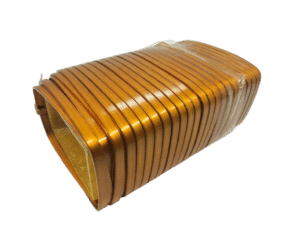
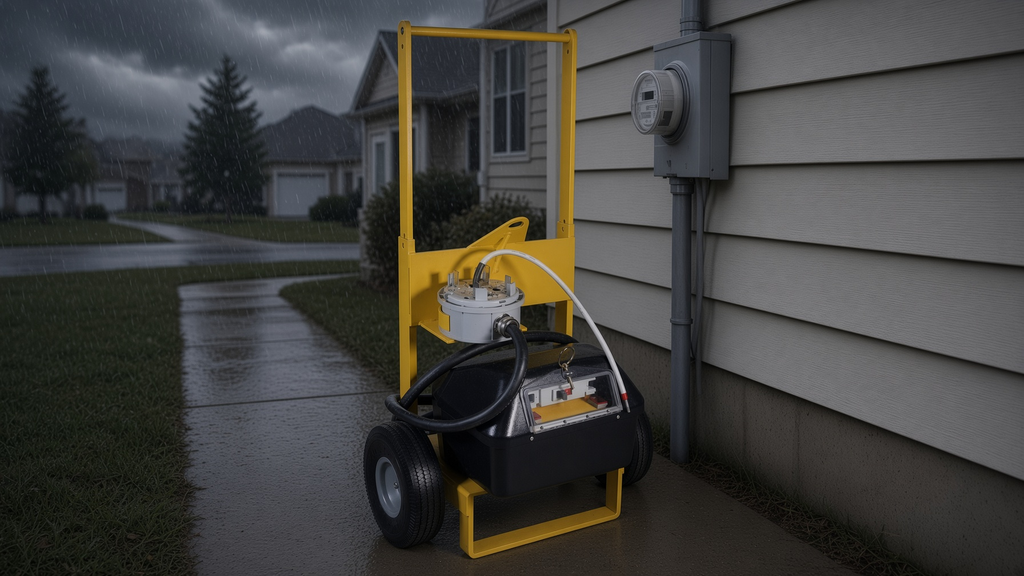
An Add-a-leg autotransformer sits between the remaining energized conductors and the meter. It reconstructs the missing voltage so both 120V legs and the 240V combination are available again. Installation is at the meter socket using a meter adapter. In most PowerBack Lite applications, no ground rod is required because of the non-metallic enclosure design.
Typical on-site time for a trained crew is measured in minutes, not hours.
When Co-ops and Municipals Should Deploy an Add-a-Leg
Underground secondary faults
The most common use. One hot or the neutral is open between the transformer, pedestal, or pole and the house.
Winter and frozen-ground conditions
Digging immediately is expensive and sometimes impractical. The Add-a-leg keeps the member in service until the ground can be worked safely.
After-hours and weekend tickets
A two-person or one-person response can restore power and leave the excavation for the next planned shift.
Rural services with long laterals
Fault location takes longer when the cable run is long. Temporary restoration at the meter removes the customer from that wait.
Member-sensitive accounts
Medical equipment, well pumps, sump pumps, and elderly members cannot wait for a full repair cycle.
Storm follow-up
After the bulk restoration is complete, remaining single-leg tickets can be cleared quickly without tying up digger trucks on every stop.
Why PowerBack Lite Is the Right Add-a-Leg for Most Co-op and Muni Work
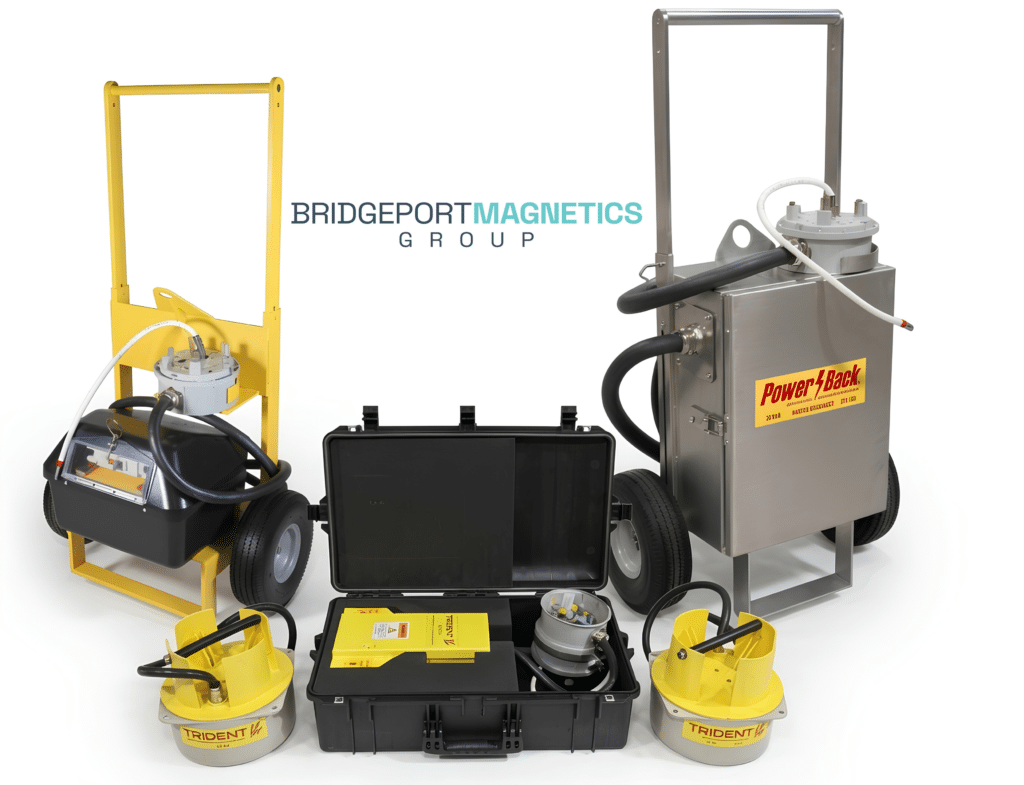
PowerBack Lite is the residential-sized member of the PowerBack family. It is designed for the services co-ops and municipals see most often.
| Model | Rating | Recommended Service | Weight | Enclosure | Grounding |
|---|---|---|---|---|---|
| PowerBack Lite 15kVA | 15,000 VA | 150A | 91 lbs | Non-metallic resin | Not required |
| PowerBack Lite 20kVA | 20,000 VA | 200A | 110 lbs | Non-metallic resin | Not required |
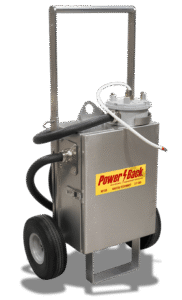
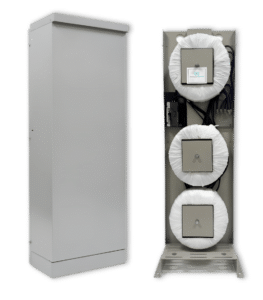
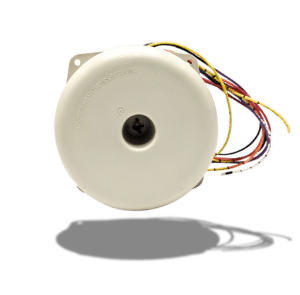
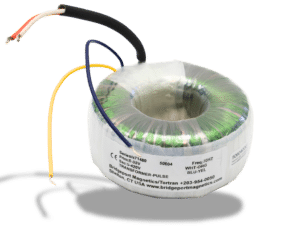
Both models restore a missing hot leg or a missing neutral on 120/240V or 120/208V three-wire services. They use a high-efficiency toroidal autotransformer, a compact aluminum wheeled base, never-flat style tires, dual protection (circuit breaker plus thermal trip), and a 200A meter adapter.
For a co-op or municipal fleet, that combination solves three practical problems at once: capacity for typical homes, weight that one or two people can handle, and a price and size that belong on a standard service truck rather than a specialized trailer.
PowerBack Lite Compared With Heavier Add-a-Leg Units
| Factor | Older / heavier Service Saver style units | PowerBack Lite |
|---|---|---|
| Weight | Often 150 lbs and up | 91 lbs (15kVA) or 110 lbs (20kVA) |
| Typical service | Mixed, sometimes oversized for the job | 150A and 200A residential |
| Enclosure | Often metal, grounding required | Resin, no grounding required |
| Handling | Harder in yards, snow, and tight access | Low center of gravity, wheeled |
| Crew needed | Frequently two people minimum | Practical for one or two people |
| Best fit | Larger or mixed fleets | Co-op and municipal everyday tickets |
Heavier 30kVA and 50kVA units still have a place for multi-family and light commercial services. They are not the first unit most co-op and municipal crews need on a Monday morning residential call.
How Add-a-Leg and PowerBack Lite Help Public Power Operations
Shorter member outages
The member is restored while the cable is still being located. That is the difference between a 20-minute first response and a multi-hour excavation.
Lower overtime
Permanent work can move to regular hours. That is one of the largest O&M levers a small utility has.
Fewer trucks on the first call
A PowerBack Lite does not require a digger and a three-person crew to get the lights back on.
Safer temporary practice
Temporary overhead jumpers across yards create exposure for crews, children, pets, and traffic. Meter-based Add-a-leg restoration removes that step.
Better use of limited people
Co-ops and municipals cannot staff every ticket like a large IOU. Equipment that matches a small crew is more valuable than equipment that assumes a large one.
Cleaner reliability numbers
Every hour taken off a residential outage improves SAIDI. For public power systems that report to boards and city councils, those hours are visible.
Sizing Guidance for Co-op and Municipal Fleets
| Typical ticket | Service size | Recommended Add-a-leg |
|---|---|---|
| Older or modest home | 100A–150A | PowerBack Lite 15kVA |
| Standard modern home | 200A | PowerBack Lite 20kVA |
| Large home or small shop | 320A and up | Full-size PowerBack 30kVA or 50kVA |
| Multi-family / multi-home | Combined load | 50kVA PowerBack |
Most co-op and municipal fleets should standardize on Lite units for volume work and keep a smaller number of higher-capacity units for the exceptions.
What to Look For in an Add-a-Leg Spec
Co-op and municipal buyers should evaluate more than nameplate kVA.
- Weight and whether one person can move it from the truck to the meter
- Whether the enclosure requires a ground rod
- Meter adapter type and whether it matches local ring or ringless sockets
- Thermal protection in addition to the breaker
- Lead time and domestic support
- Warranty and availability of spare adapters
- Whether the unit can sit outdoors for days or weeks until the planned repair
PowerBack Lite is built around those field requirements: 91 or 110 pounds, resin enclosure with no grounding required, 200A adapter, 105 C thermal protection, optional GFI and GPS, Made in the USA, and a three-year warranty.
A Practical Response Sequence for Public Power
- Confirm the missing hot or neutral at the meter.
- Isolate and make the situation safe.
- Install the PowerBack Lite Add-a-leg at the meter.
- Restore the member.
- Schedule the permanent locate, excavate, and repair on a planned shift.
That sequence keeps the emergency portion of the job short and moves the expensive portion into planned work.
FAQ
What is an Add-a-leg?
An Add-a-leg is a portable autotransformer that restores a missing hot leg or neutral at the customer meter so a 120/240V service can operate while the damaged cable is repaired.
Is Add-a-leg the same as a Service Saver or Add-a-phase?
Yes. Those are regional names for the same class of temporary power restoration equipment.
Why is PowerBack Lite a better fit for co-ops and municipals than a 50kVA unit?
Most public power tickets are 150A or 200A single-family services. PowerBack Lite matches that load at 91 or 110 pounds instead of 220 to 290 pounds.
Can one person deploy a PowerBack Lite?
Yes. The Lite models were designed for that reality. The 15kVA unit weighs 91 pounds on a low-center-of-gravity wheeled base.
Does PowerBack Lite require a ground rod?
No. The non-metallic resin enclosure does not require grounding.
How long can an Add-a-leg stay connected?
These units are intended for temporary use, typically days to a few weeks, until the permanent repair is completed.
What service sizes do the Lite models cover?
PowerBack Lite 15kVA is intended for 150A services. PowerBack Lite 20kVA is intended for 200A services.
Final Thoughts
Add-a-leg restoration is not a specialty trick reserved for large investor-owned utilities. It is a core response method for any system that serves residential underground secondaries. For cooperatives and municipal utilities, the right unit is the one that matches the ticket they run every week: a 150A or 200A home, a small crew, and an O&M budget that cannot absorb an emergency dig on every missing leg.
PowerBack Lite is that unit. It restores the missing leg at the meter, gets the member back on in minutes, and lets the permanent repair happen on the utility’s schedule instead of the fault’s schedule.
Product Callout
Bridgeport Magnetics PowerBack Lite
Add-a-leg temporary power restoration for co-ops and municipal utilities. 15kVA (91 lbs, 150A) and 20kVA (110 lbs, 200A). Toroidal autotransformer, resin enclosure, no ground rod required, quick meter adapter. Made in the USA.