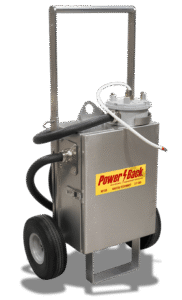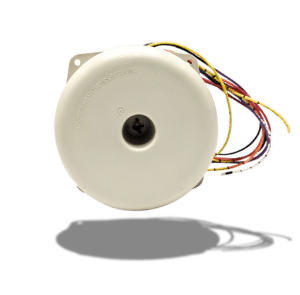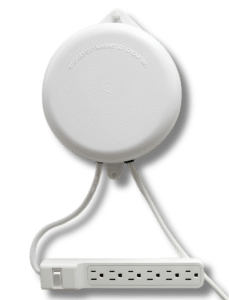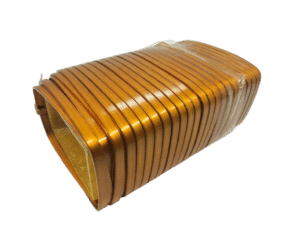
Some utilities call portable temporary power restoration units a Dry Pak. Others call them an Autocart. These field names refer to the same practical category of equipment: a portable autotransformer that restores full 120/240V service at the customer meter while permanent repairs are completed.
This post explains what Dry Pak and Autocart units are, why utilities use them, and how they help control operations and maintenance (O&M) costs in everyday and storm-related outage response.
What Dry Pak and Autocart Mean in the Field
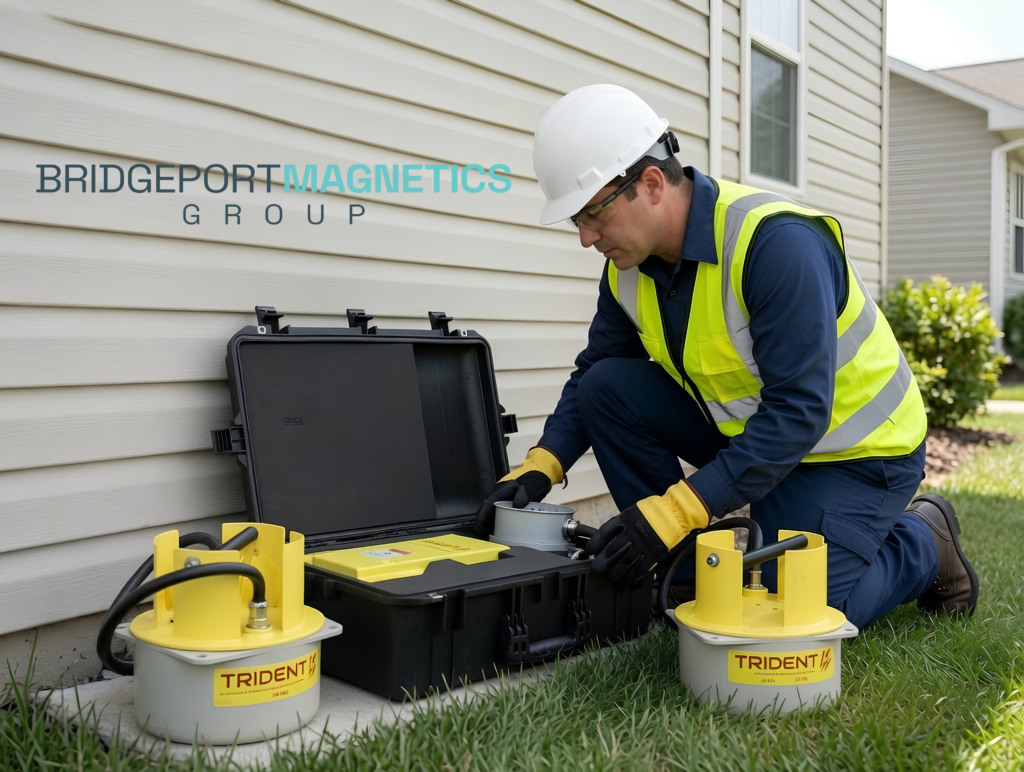
Utility crews often develop their own shorthand for tools they use regularly. Dry Pak and Autocart are two common names for wheeled or portable temporary power restoration devices. In most cases the unit connects at the meter with a simple adapter and regenerates a missing hot leg or neutral. The customer receives balanced power without the need for temporary overhead lines run across yards or streets.
The exact name varies by region and company culture. Some crews say Dry Pak. Others say Autocart. Some use more generic terms such as temporary power cart or service restoration unit. The underlying function remains consistent across these names: restore power quickly at the meter so permanent work can be scheduled more efficiently.
Understanding these field terms is useful for both new crew members and decision-makers evaluating equipment. When a lineman or Troubleman refers to a Dry Pak or Autocart, they are almost always talking about a meter-based temporary power restoration solution.
The Hidden Cost Drivers in Traditional Outage Response
When a single-leg failure or underground fault occurs, the traditional response sequence often creates several layers of cost. These costs are not always obvious on a single outage ticket, but they accumulate across hundreds of events each year.
Common cost drivers include:
- Dispatching additional crew members beyond the initial responder
- Working overtime or extended shifts to complete emergency repairs
- Installing and later removing temporary overhead lines
- Multiple truck rolls to the same location
- Administrative time spent handling escalated customer complaints
- Delayed permanent repairs that keep resources tied up longer than necessary
Each of these elements adds to O&M spend. Overtime is frequently the largest single category. Temporary materials and extra labor hours follow closely behind. Soft costs such as complaint handling and reduced crew availability for other work also contribute to the total.
How Dry Pak and Autocart Units Change the Cost Structure
A Dry Pak or Autocart style unit alters the response sequence in a way that directly targets these cost drivers. Instead of leaving the customer without power until the permanent repair is finished, the unit restores service at the meter in a short time. This creates several practical advantages for O&M control.
1. Shift Permanent Work to Normal Hours Once temporary power is in place, the urgency to complete the permanent repair under emergency conditions is reduced. Many utilities are then able to schedule the cable or connector work during regular shifts. This single change can eliminate a significant amount of overtime.
2. Reduce Initial Crew Size Modern units are designed to be lighter and more maneuverable than older equipment. In many cases a single Troubleman or a two-person crew can deploy the unit without calling for additional help. Lower crew requirements on the first response translate into lower labor cost per event.
3. Eliminate Temporary Overhead Lines Running temporary lines requires time, materials, vehicles, and a later trip to remove them. Meter-based restoration removes this entire step. The savings include both direct material cost and the labor hours associated with installation and removal.
4. Limit Repeat Visits When power is restored on the first visit, the utility avoids many of the follow-up trips that occur when customers remain without service for extended periods. Fewer truck rolls mean lower fuel, vehicle, and labor costs.
5. Shorten Overall Outage Duration Shorter outages generally produce fewer high-intensity customer complaints and less after-hours call volume. While these are softer costs, they still consume supervisor and customer-service time that could be spent on other work.
Side-by-Side Cost Comparison
| Cost Category | Traditional Response | Dry Pak / Autocart Response | Typical O&M Effect |
|---|---|---|---|
| Overtime exposure | High when permanent repair is treated as emergency | Lower because permanent work can shift to normal hours | Meaningful reduction |
| Initial crew size | Often requires extra personnel | Frequently one or two people | Lower labor cost |
| Temporary line materials and labor | Commonly required | Not required | Direct savings |
| Repeat truck rolls | More frequent | Reduced | Lower vehicle and labor cost |
| Customer complaint handling | Higher during long outages | Lower with faster restoration | Reduced soft cost |
| Resource availability | Crews tied up longer | Crews freed sooner for other work | Better overall efficiency |
Where These Units Deliver the Strongest O&M Impact
Dry Pak and Autocart style equipment tends to produce the greatest cost benefit in specific, recurring situations:
- Single-leg failures on underground residential services
- Faults that require extended troubleshooting before the permanent repair can begin
- Locations where temporary overhead lines would be difficult, time-consuming, or unsafe
- Responses handled by a single Troubleman or small first-response team
- Periods of high call volume when overtime risk is already elevated
- After-storm conditions when many partial outages occur at the same time
In each of these scenarios the ability to restore power quickly at the meter limits the growth of both outage duration and the associated operating cost.
The Role of Speed in Cost Control
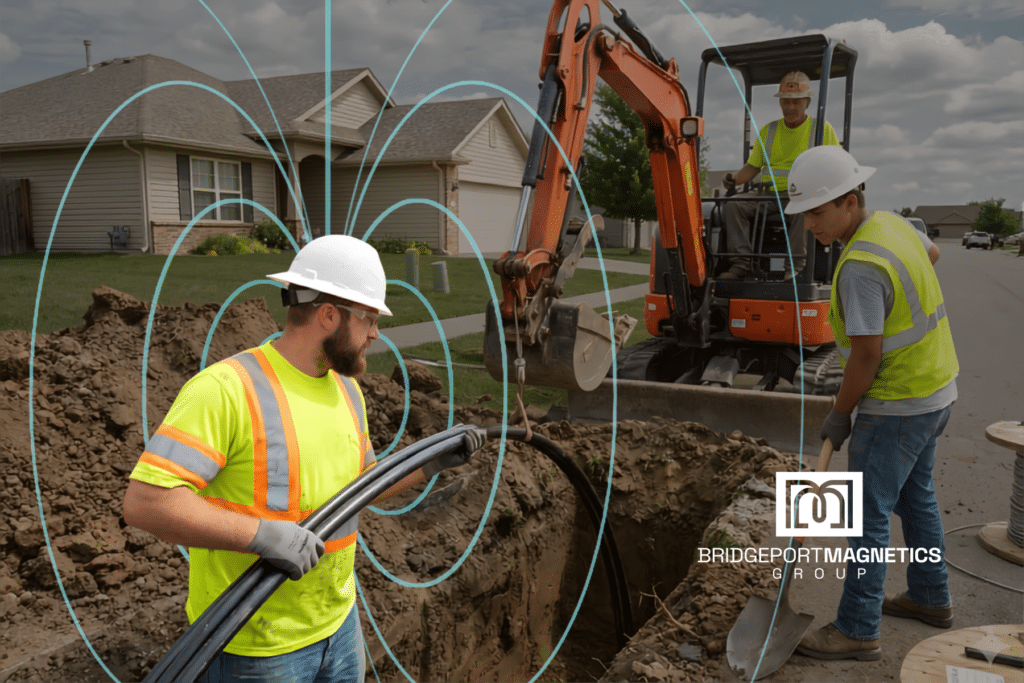
One of the most important operational insights is that cost and time are closely linked. The longer a customer remains without power, the more opportunities exist for overtime, extra crew mobilization, and escalated complaints. By restoring service early in the response sequence, a Dry Pak or Autocart unit compresses the expensive portion of the outage.
This does not mean permanent repairs should be rushed. It means the customer does not have to absorb the full duration of diagnosis and repair. Temporary service at the meter separates customer impact from the technical work of locating and fixing the fault. That separation is what creates the O&M savings.
Operational Benefits Beyond Direct Dollar Savings
While the primary focus of this post is O&M cost control, utilities also gain secondary advantages:
- Improved customer experience during partial outages
- Greater flexibility in scheduling permanent repairs
- Reduced physical strain on crews when lighter equipment is used
- Better alignment between first-response capability and reliability goals
- More predictable use of field resources during busy periods
These benefits support both daily operations and longer-term performance metrics that matter to leadership.
PowerBack and Trident as Modern Dry Pak and Autocart Solutions
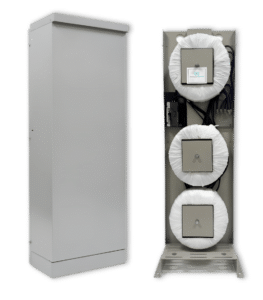
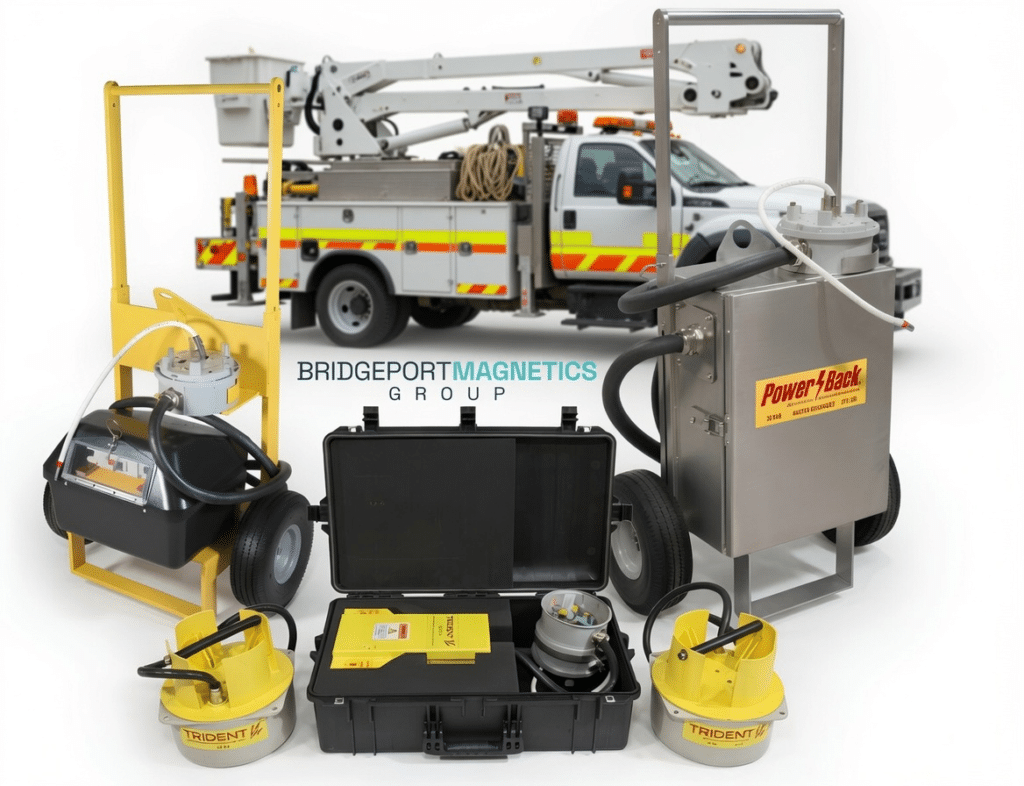
Bridgeport Magnetics developed the PowerBack and Trident series to serve the same functional role that many crews describe as a Dry Pak or Autocart.
- PowerBack is a wheeled, durable temporary power restoration unit suited for standard field access and repeated daily use.
- Trident is a lighter, modular option designed for true one-person deployment in tighter spaces or more difficult access locations.
Both systems restore full 120/240V service at the meter without temporary overhead lines. They are built for real utility conditions and are intended to help crews restore power quickly so permanent work can be completed more efficiently and at lower cost.
Practical Considerations for Utilities Evaluating These Units
When assessing Dry Pak or Autocart style equipment, utilities typically examine several factors:
- Weight and ease of handling by one or two people
- Speed of connection at the meter
- Durability for repeated field use
- Ability to operate without temporary overhead lines
- Compatibility with existing meter adapters and work practices
- Total effect on overtime, crew size, and repeat visits
Units that perform well across these criteria tend to deliver the strongest and most consistent O&M benefit.
FAQ
What is a Dry Pak? A Dry Pak is a field term used by some utilities for a portable temporary power restoration unit that restores a missing hot leg or neutral at the customer meter.
What is an Autocart? Autocart is another common field name for the same category of wheeled or portable temporary power restoration equipment.
How do Dry Pak and Autocart units reduce O&M costs? They enable faster restoration, reduce the need for extra crew and overtime, eliminate temporary overhead lines, and allow permanent repairs to be scheduled during normal working hours.
Can these units be deployed by one person? Many modern designs are light enough and compact enough for a single responder to transport and connect, which further supports labor cost control.
Do these units replace the need for permanent repairs? No. They provide temporary service so that permanent repairs can be completed more efficiently and with less urgency.
Are PowerBack and Trident considered Dry Pak or Autocart units? Yes. They perform the same core function that many utility crews refer to by those names.
Is there a difference between a Dry Pak and an Autocart? In most cases the names are regional or crew-specific labels for the same type of meter-based temporary power restoration equipment. The functional requirements are essentially identical.
Final Thoughts
Whether a crew calls the equipment a Dry Pak, an Autocart, or simply a temporary power restoration unit, the operational value is clear. These devices give utilities a practical way to restore power quickly, limit outage duration, and reduce the labor, overtime, and material costs that traditionally accompany single-leg failures and similar events.
For utilities focused on controlling O&M budgets while maintaining reliable service, modern meter-based temporary power solutions have become an essential part of the response toolkit. The ability to stabilize the customer early in the outage sequence is one of the most direct levers available for lowering the true cost of restoration.
Product Callout Bridgeport Magnetics PowerBack and Trident Series Modern Dry Pak and Autocart style temporary power restoration units designed for utility crews. Restore service at the meter quickly, reduce overtime exposure, and support more efficient permanent repairs.