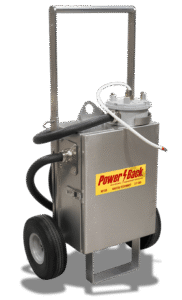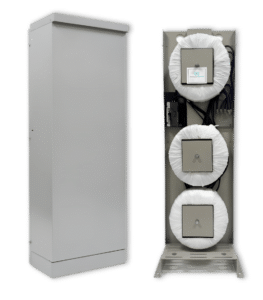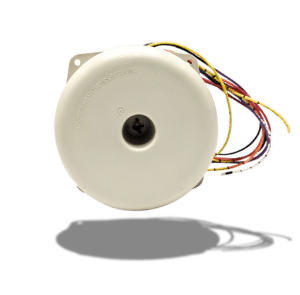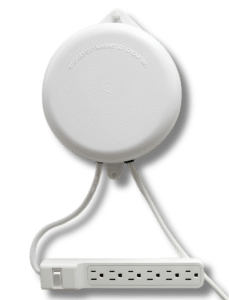
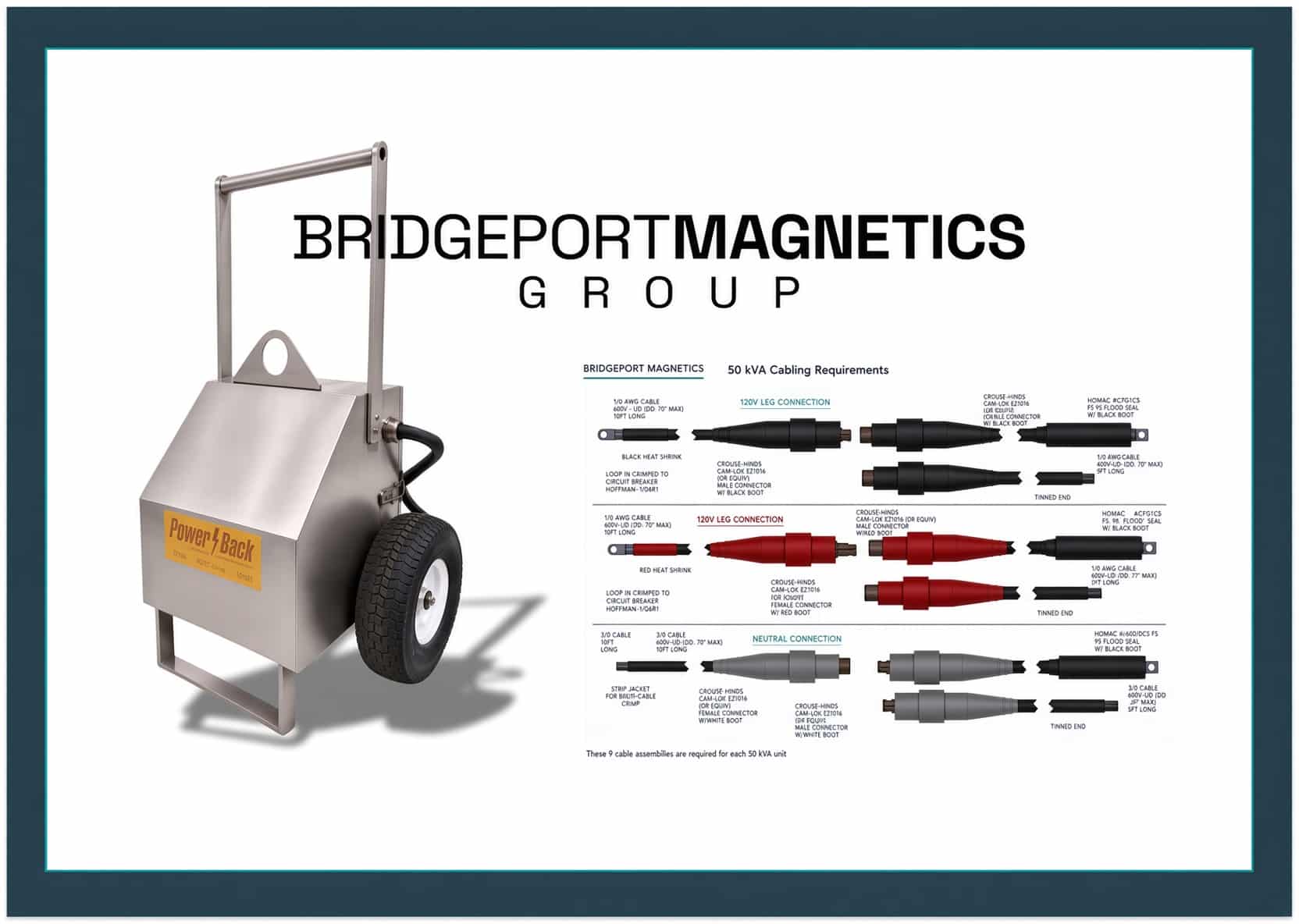
A 50kVA Service Saver and a 40kVA Service Saver both serve the same core purpose: restore full power at the customer meter while permanent repairs are completed. The difference is capacity. For years, 40kVA units helped define the higher-capacity end of the market. Many utilities still specify or compare against that size. At the same time, 50kVA units provide additional headroom for larger services and multi-customer situations.
This post explains when utilities need higher-capacity Service Savers, how 40kVA and 50kVA units compare in practical use, and how the right capacity choice supports faster restoration and better control of O&M costs.
What Higher-Capacity Service Savers Are Used For
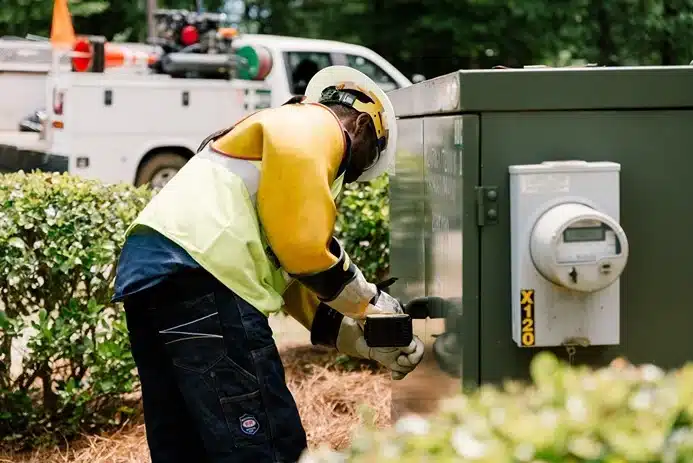
In utility field language, a Service Saver is a portable temporary power restoration autotransformer. It connects at the meter and regenerates a missing hot leg or neutral so the customer receives balanced 120/240V service (or in some cases 120/208V) while the permanent repair is scheduled.
Smaller units (15kVA to 30kVA) handle a large share of standard single-family residential events. Higher-capacity units become necessary when the service size or actual load exceeds what those smaller units can continuously support. This is where 40kVA and 50kVA Service Savers come into play.
Why 40kVA Became a Market Benchmark
For a long time, 40kVA was treated as the practical upper size for many portable temporary power restoration units. It offered enough capacity for larger homes and some multi-family or light commercial services while remaining transportable. As a result, many utility specifications, fleet standards, and competitive comparisons still reference 40kVA Service Savers.
That history matters for SEO and for field conversations. Crews and planners often still ask about 40kVA capability even when evaluating newer equipment.
Where 50kVA Provides Additional Value
A 50kVA Service Saver builds on the same operating concept with extra capacity. The additional headroom is useful in several recurring situations:
- Larger single-family homes on 320A to 400A services
- Multi-family or multi-home services downstream of a shared secondary
- Light commercial or mixed-use buildings
- Cases where the actual connected load is higher than the nameplate service size suggests
- Situations where crews want margin so the temporary solution remains stable under peak residential or light commercial demand
In short, 40kVA established the higher-capacity category. 50kVA extends it for services that sit at the upper end of what portable meter-based restoration is asked to handle.
Typical Capacity Guidance
| Service Type | Common Service Size | Practical Service Saver Size | Notes |
|---|---|---|---|
| Older or smaller single-family | 100A – 150A | 15kVA – 20kVA | Usually sufficient |
| Standard modern single-family | 200A | 20kVA – 30kVA | Most common range |
| Larger homes / some multi-family | 320A – 400A | 40kVA – 50kVA | Higher capacity needed |
| Multi-home or light commercial | Varies | 40kVA – 50kVA | Depends on actual load |
These are field-oriented guidelines. Local load characteristics and diversity factors still influence the final choice.
When Utilities Reach for 40kVA or 50kVA Units
Larger Residential Services Homes with significant electric heating, multiple HVAC systems, EV charging, or large accessory loads often exceed the comfort zone of 30kVA units. Both 40kVA and 50kVA Service Savers are used here, with 50kVA providing more margin.
Multi-Family and Shared Secondaries When a fault affects more than one living unit, crews prefer higher capacity so the temporary restoration can support the combined load from a single connection point.
Light Commercial and Mixed-Use Small commercial accounts and mixed-use buildings frequently fall outside the range of standard residential units. Higher-capacity Service Savers allow meter-based restoration instead of more complex temporary arrangements.
High-Volume or Storm Periods During busy periods, having 40kVA and 50kVA units in the fleet reduces the chance that a crew arrives with equipment that is undersized for the service they find on site.
How Higher-Capacity Service Savers Help the Utility
The operational logic is the same as with smaller units, but the impact is often greater because the services involved tend to generate more customer impact when they are out.
Faster Restoration on Larger Services A 40kVA or 50kVA Service Saver lets the utility restore a larger home or multi-family building in a short time instead of leaving it offline for the full duration of fault location and repair.
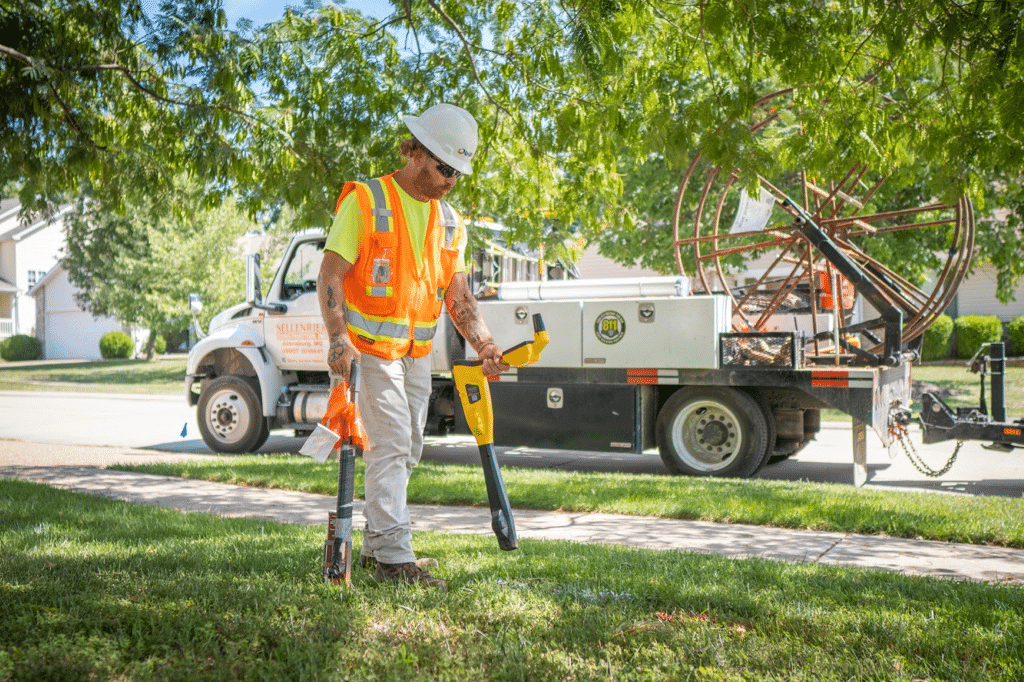
Reduced Emergency O&M Exposure Traditional repair of these services usually requires a full crew, digger truck, and overtime. By restoring power first, the permanent work can be scheduled as planned activity. This shifts a meaningful portion of cost out of reactive O&M.
Better Crew Utilization When larger services can be temporarily restored without immediately tying up a full excavation crew, those resources stay available for the highest-priority permanent repairs.
Avoidance of Temporary Overhead Lines Running temporary overhead conductors for larger services is more complex and higher visibility. Meter-based restoration with a properly sized Service Saver removes that step in many cases.
Support for Reliability Goals Shorter outage durations on higher-impact services help limit the growth of customer-minutes of interruption.
Practical Differences Between 40kVA and 50kVA
| Factor | 40kVA Service Saver | 50kVA Service Saver |
|---|---|---|
| Market history | Long-standing higher-capacity benchmark | Newer higher-capacity option with more headroom |
| Typical use cases | Larger homes, some multi-family | Larger homes, multi-family, light commercial |
| Load margin | Adequate for many larger services | Additional margin for peak or combined loads |
| Fleet role | Common reference size | Used when extra capacity is preferred |
| Operational concept | Same meter-based temporary restoration | Same meter-based temporary restoration |
Both sizes solve the same core problem. The choice is driven by the size of the service and the amount of margin the utility wants during temporary operation.
Cost and Budget Perspective
From an O&M standpoint, the value of a higher-capacity Service Saver is closely tied to the cost of traditional emergency response on larger services. Those jobs often involve more labor hours, more equipment, and higher overtime exposure than standard residential single-leg failures.
By restoring the customer quickly with a 40kVA or 50kVA unit and moving the permanent repair into a planned window, utilities reduce the emergency cost component and improve cost predictability. In many organizations this also supports a clearer separation between reactive O&M and capital or planned maintenance work.
Fleet Planning Considerations
Most utilities that use Service Savers maintain a mix of sizes:
- Smaller units (15–30kVA) for the highest volume of standard residential events
- 40kVA and/or 50kVA units for larger services and multi-customer situations
This mix allows crews to match capacity to the job without over-investing in the largest units for every truck. The presence of both 40kVA and 50kVA options in the broader market means utilities can evaluate headroom, weight, and handling characteristics when standardizing their fleet.
FAQ
What is a 40kVA Service Saver? It is a higher-capacity portable temporary power restoration unit commonly used for larger residential and some multi-family or light commercial services. It became a frequent market benchmark for this class of equipment.
What is a 50kVA Service Saver? It is a higher-capacity Service Saver that provides additional headroom beyond 40kVA for larger homes, multi-family services, and light commercial loads.
When should a utility choose 50kVA over 40kVA? When the service size, combined load, or desired operating margin exceeds what a 40kVA unit comfortably supports. This is common on 320A–400A services and multi-customer restorations.
Can these units restore more than one customer? In some service layouts, yes. Higher-capacity units are often selected specifically because they can support more than one living unit from a temporary connection point.
How do 40kVA and 50kVA Service Savers help with O&M costs? They allow quick restoration of larger services so the permanent repair can be scheduled as planned work rather than emergency work, reducing overtime and reactive O&M spend.
Are PowerBack units considered Service Savers? Yes. PowerBack is a modern Service Saver style product line that includes higher-capacity models suitable for the same applications historically served by 40kVA and 50kVA units.
Final Thoughts
40kVA Service Savers helped define the higher-capacity end of the temporary power restoration market. 50kVA Service Savers extend that capability with additional headroom for larger residential, multi-family, and light commercial services.
For utilities, the decision is practical: match the capacity to the service so the customer can be restored quickly, the permanent repair can be planned, and emergency O&M exposure can be reduced. Having the right higher-capacity units in the fleet ensures crews are not limited when they encounter larger or multi-customer services in the field.
Product Callout Bridgeport Magnetics PowerBack Higher-Capacity Models Modern Service Saver style units designed for larger residential, multi-family, and light commercial services. Available in capacities that cover the same applications as traditional 40kVA units while offering 50kVA headroom when needed.