The electrical grid is at an inflection point. The rapid growth of distributed energy resources, the expansion of microgrids, and the rising demand for electrification are reshaping how power is generated, moved, and consumed. These changes are creating new requirements for transformers: higher efficiency, greater power density, and smaller physical size.
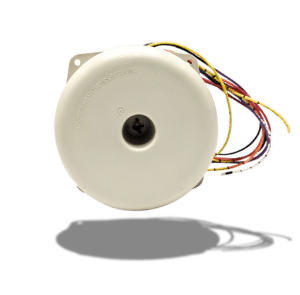
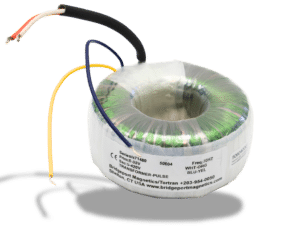
In this environment, toroidal transformers are emerging as a strong technical solution. Their design delivers measurable improvements in efficiency and compactness compared to traditional E-I laminated transformers. These advantages are becoming increasingly important as power systems move toward higher performance and greater reliability.
Efficiency Gains That Matter at Scale
Efficiency is one of the clearest advantages of toroidal transformers. While a well-designed traditional E-I transformer might achieve 94–96% efficiency under typical operating conditions, high-quality toroidal transformers routinely reach 98–99% efficiency.
This difference becomes significant in high-power applications. A 2–4% improvement in efficiency can translate into substantial energy savings over the life of a transformer, especially in systems that operate continuously, such as data centers or utility infrastructure. Lower losses also mean less heat generation, which reduces cooling requirements and improves overall system reliability.
In addition to full-load efficiency, toroidal transformers typically offer lower no-load losses. This is particularly valuable in applications with variable loads, such as microgrids and renewable energy systems, where transformers may spend significant time operating at partial load.
Power Density and Size Advantages
Space is becoming a premium resource in modern electrical installations. Data centers, microgrid equipment, and renewable energy inverters are all pushing for higher power density in smaller footprints.
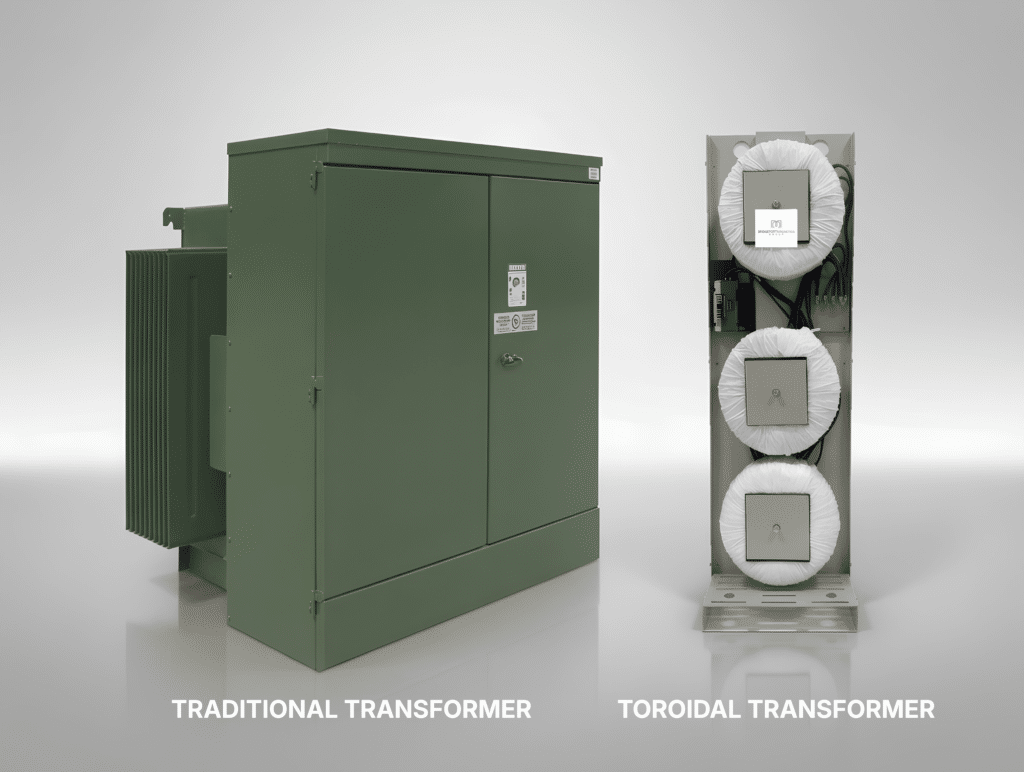
Toroidal transformers are typically 40–50% smaller and lighter than equivalent E-I designs. This reduction in size and weight allows engineers to fit more power capacity into the same space or reduce the overall footprint of power conversion equipment. In data centers, where floor space and cooling capacity are tightly managed, this compactness directly supports higher rack densities and better utilization of real estate.
The circular core shape also contributes to better thermal performance. Heat is dissipated more evenly, which helps maintain efficiency and reliability even when components are installed in dense configurations.

Meeting the Demands of a Changing Grid
The shift toward microgrids and distributed energy resources introduces more variable power flows and places greater emphasis on efficiency and flexibility. Transformers in these systems must perform reliably across a wide range of load conditions while minimizing losses.
Toroidal transformers support these needs through:
- Lower energy losses across a broad load range
- Reduced electromagnetic interference, which helps in dense or sensitive installations
- Compact size that supports modular and distributed architectures
- High reliability due to fewer mechanical joints in the core
These characteristics align well with the technical direction of next-generation power systems, where efficiency and power density are becoming competitive and operational priorities.
Comparison: Toroidal vs Traditional E-I Transformers
| Performance Factor | Traditional E-I Transformers | Toroidal Transformers |
|---|---|---|
| Typical Efficiency | 94–96% | 98–99% |
| No-Load Losses | Higher | Significantly lower |
| Size and Weight | Larger and heavier | 40–50% smaller and lighter |
| Electromagnetic Interference | Higher stray fields | Very low |
| Power Density | Moderate | Higher |
| Thermal Performance | Good | Excellent (more even heat distribution) |
| Suitability for Microgrids | Adequate | Strong due to efficiency and size |
| Fit in Data Center Environments | Often requires more space | Supports higher power density |
The Role of Precision Manufacturing
The performance benefits of toroidal transformers depend on high-quality manufacturing. Advanced toroidal winding machines enable precise control over wire tension, layering, and turn count. This precision produces consistent electrical characteristics and low losses across production volumes.
For applications in data centers, utilities, and renewable energy systems, this manufacturing consistency is essential. It ensures that transformers deliver predictable performance and long-term reliability in demanding operating environments.
Bridgeport Magnetics Group: Precision Toroidal Transformers for Modern Power Systems
Bridgeport Magnetics Group designs and manufactures custom toroidal transformers using advanced winding technology. Our processes support the production of high-efficiency, compact components tailored to the requirements of data centers, utilities, microgrids, and renewable energy applications.
We work with customers who need transformers that deliver measurable improvements in efficiency, power density, and reliability. Our focus on precision manufacturing helps ensure consistent performance across production runs.
If you are developing or sourcing transformers for next-generation electrical systems and want to explore how toroidal designs can improve efficiency and performance, contact our team.
Phone: (203) 954-0050 Email: [email protected] Website: bridgeportmagnetics.com
Frequently Asked Questions
How much more efficient are toroidal transformers compared to traditional designs? High-quality toroidal transformers typically achieve 98–99% efficiency, while comparable E-I transformers often operate in the 94–96% range. This difference can result in meaningful energy savings, especially in continuously operating systems.
Why is power density important in modern electrical systems? Higher power density allows more capacity to be installed in limited space. This is particularly valuable in data centers, microgrid equipment, and renewable energy installations where space and cooling are constrained.
How do toroidal transformers support microgrids and distributed energy resources? Their high efficiency across a wide load range, low electromagnetic interference, and compact size make them well suited for the variable operating conditions and space limitations common in microgrid and distributed energy applications.
What role does manufacturing precision play in toroidal transformer performance? Precise winding control ensures consistent electrical characteristics and low losses. This consistency is critical for reliable performance in high-power and critical infrastructure applications.
Ready to explore toroidal transformers for your next-generation power systems? Contact Bridgeport Magnetics Group to discuss your requirements.