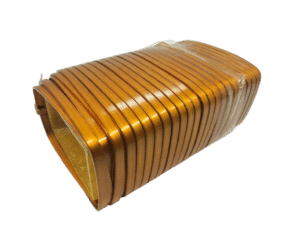
When a utility crew responds to a power outage caused by an underground cable fault, one of the tools they may reach for is a service saver transformer. Many linemen and utility workers still refer to these devices as a Servisavor, even though that name originally came from a specific manufacturer.
A service saver transformer is a type of autotransformer used to temporarily restore power at the meter when one hot leg or the neutral is lost. Instead of leaving customers without power while crews locate and repair the underground fault, utilities can install a service saver to quickly bring service back online.
Understanding what a service saver is, how it works, and when it should be used helps utility crews make better decisions in the field and improves overall outage response.
What Is a Service Saver Transformer?
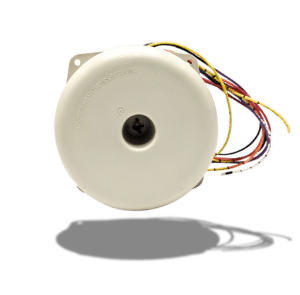
A service saver transformer (commonly known as a Servisavor) is a portable autotransformer designed to restore a missing hot leg or neutral on a single-phase service. It connects at the meter socket, usually through a meter adapter, and uses the remaining energized conductors to regenerate the lost phase.
The device does not repair the cable fault. It simply allows the customer to receive power again while permanent repairs are scheduled and completed. Because of this, service savers are considered a temporary power restoration solution rather than a permanent fix.
How a Service Saver Transformer Works
When one hot leg or the neutral is lost due to an underground cable fault, a service saver uses autotransformer principles to derive the missing voltage.
- If one hot leg is open, the service saver can create 240 volts from the remaining good leg and neutral.
- If the neutral is lost, it can help re-establish a usable neutral reference for the service.
The transformer is typically installed between the meter socket and the customer’s meter using a meter adapter. Once connected and energized, it restores balanced 120/240V service to the home or business until the damaged cable can be repaired.
Open Hot Leg vs Open Neutral
Utilities most commonly use service saver transformers in two situations:
| Fault Type | What Happens | Effect on Customer | How a Service Saver Helps |
|---|---|---|---|
| Open Hot Leg | One of the two hot legs is lost | Partial power, some circuits dead | Restores 240V service using the good leg |
| Open Neutral | The neutral conductor is compromised | Voltage swings, risk of damage | Helps re-establish a usable neutral |
Both conditions can cause customer complaints and potential equipment damage. A properly sized service saver transformer gives crews time to complete permanent repairs safely without leaving customers in the dark.
When Do Utilities Use a Service Saver Transformer?
Utilities typically deploy service saver transformers in these situations:
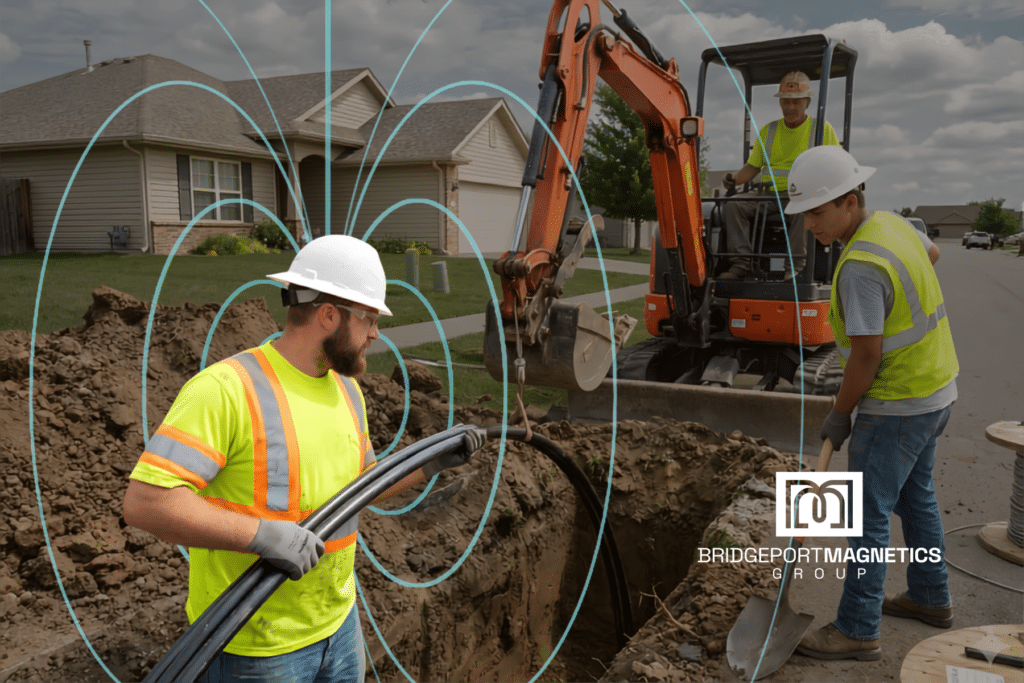
- Underground residential distribution (URD) cable faults
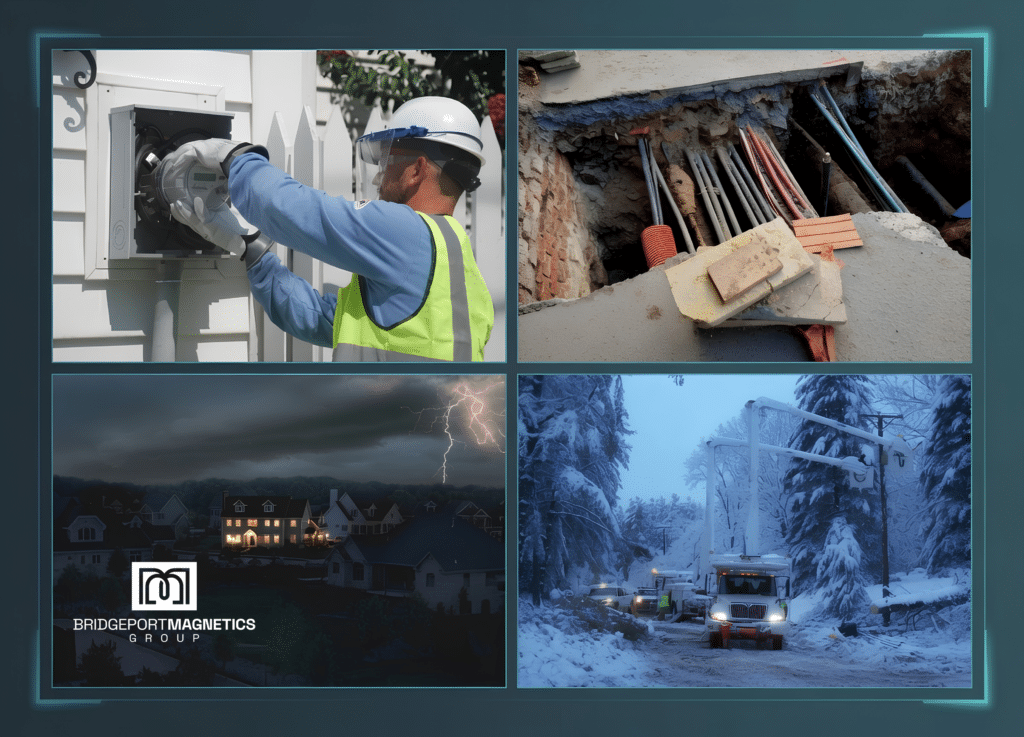
- Storm-related outages where quick restoration is needed before permanent repairs can be made
- Planned maintenance on underground services
- Locations where excavation will take significant time
- Situations where running temporary above-ground conductors is impractical
Because these units are relatively compact and can often be carried and installed by one or two people, they are a practical tool for everyday service restoration work.
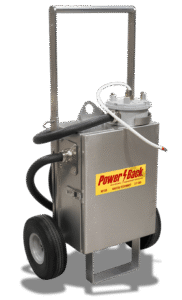
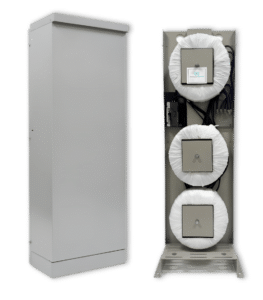
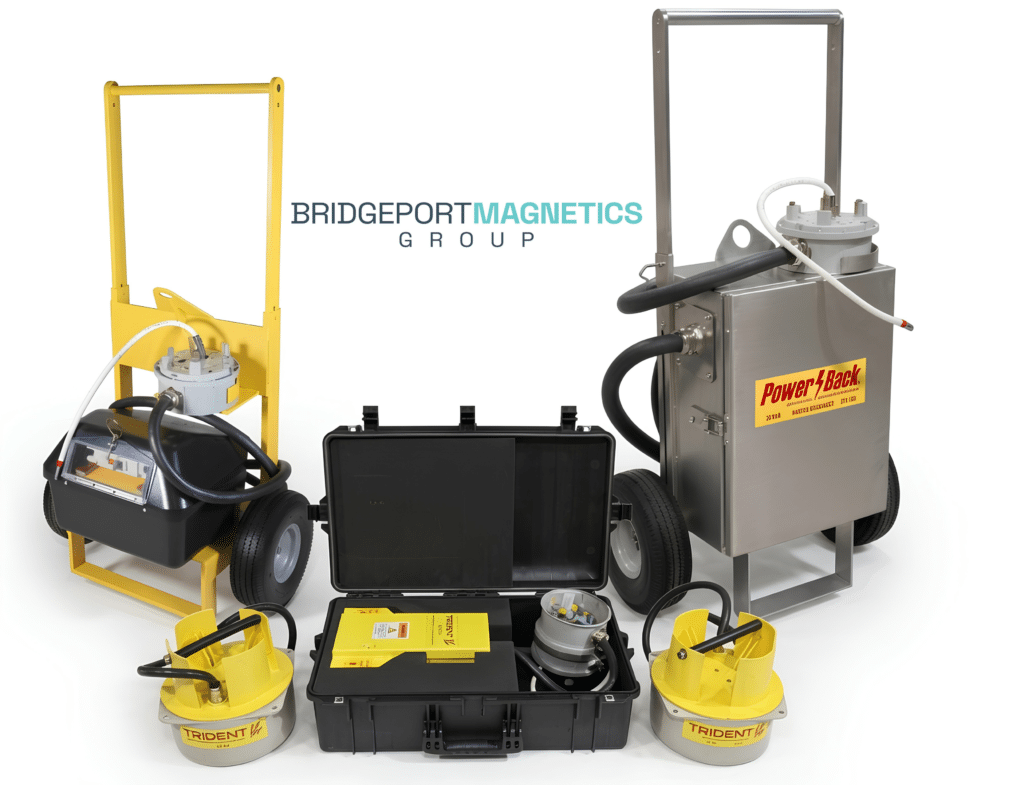
While service saver transformers are still widely used, many utilities have also adopted more modern temporary power restoration equipment, such as the PowerBack and Trident systems from Bridgeport Magnetics.
Service Saver vs Modern Temporary Power Restoration Devices
Here’s a simple comparison:
| Feature | Traditional Service Saver | Modern Devices (PowerBack / Trident) |
|---|---|---|
| Primary Function | Restore missing hot leg or neutral | Same |
| Typical Size | Larger, forklift deployment | Varies (wheeled or modular) |
| Capacity | Usually lower (often 15–30 kVA) | Wider range (up to 50 kVA+) |
| Installation | Meter adapter | Meter adapter or direct wire |
| Durability & Features | Basic | Often includes thermal protection, GFI options, GPS |
| Best For | Quick single-home restoration | Single homes, multi-home, and difficult access |
Many utilities still carry these transformers for fast, simple jobs but also use more advanced equipment like the PowerBack (wheeled) or Trident (modular, one-person carry) when higher capacity or difficult access is involved.
Why Many Still Call It a “Servisavor”
The term Servisavor originally came from a specific brand of power restoration transformer that became very popular with utilities. Over time, the name became generic in the field – similar to how some people call all adhesive bandages “Band-Aids.”
Even though modern service saver transformers come from multiple manufacturers, many linemen and utility workers still refer to any device used for this purpose as a Servisavor. When writing work orders or talking on the radio, you will often hear crews say they are “putting on a Servisavor” even if the actual device is from a different manufacturer.
Limitations of Service Saver Transformers
While useful, they do have some limitations:
- Most units have relatively low kVA ratings, so they are best suited for single homes or light loads.
- They are intended for short-term use only.
- They do not provide the same level of protection features (such as thermal protection or GFI) found on newer temporary power restoration equipment.
- In some cases, utilities prefer more robust solutions when outages are expected to last more than a few days.
Modern Alternatives Utilities Are Using
Many utilities now supplement or replace traditional service savers with more capable equipment, including:
- Wheeled units like the PowerBack series (15kVA, 20 kVA, 30 kVA, and 50 kVA models)
- Modular, hand-carry systems like the Trident for difficult access locations
- Larger autotransformers for multi-home or commercial service restoration
These newer options often offer higher capacity, better protection features, and more flexibility than older-style service saver transformers.
Product Callout Bridgeport Magnetics PowerBack & Trident Series Modern temporary power restoration solutions for utilities. PowerBack wheeled units available in 15kVA, 20 kVA, 30 kVA, and 50 kVA. Trident modular system designed for one-person carry in difficult access areas. All units restore missing hot leg or neutral at the meter. Made in Shelton, Connecticut.
Learn more about Bridgeport’s temporary power restoration equipment
FAQ
What is the difference between a service saver and an add-a-phase transformer? In practice, the terms are often used interchangeably in the field. Both refer to autotransformers used to restore a missing hot leg or neutral. Some utilities still call any of these devices a “Servisavor.”
How long can a service saver stay connected? They are meant for temporary use. Most utilities aim to remove them within a few days to a couple of weeks once permanent repairs are completed – however Powerback has document restoration usage up to years.
Can a service saver be used on commercial services? It depends on the load. Most traditional service savers are sized for residential services. Larger commercial or multi-home services usually require higher-capacity equipment such as a 30 kVA or 50 kVA PowerBack unit.
Do all utilities still use service savers? Many still do, especially for quick single-home restorations. However, a growing number of utilities are also using more advanced wheeled or modular temporary power restoration systems for greater capacity and flexibility.
Is a service saver the same as a phase restoration transformer? They serve the same basic purpose. “Phase restoration transformer” is a broader term that includes both traditional service savers and more modern autotransformer-based restoration devices.