Restore-a-phase units have become a practical and widely used solution for utilities dealing with single-leg failures and partial outages. These portable temporary power restoration devices allow crews to restore full 120/240V service at the customer’s meter quickly and safely, without the need to run temporary overhead lines. As utilities face higher demand, aging infrastructure, and more frequent weather events, modern temporary power restoration equipment has moved from a specialized tool to a standard part of many utility operations.
This post explains how these units work, the operational advantages they offer, and why more utilities are adopting them for both everyday outages and storm recovery.
What Is a Temporary Power Restoration Device?
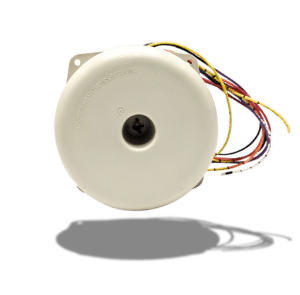
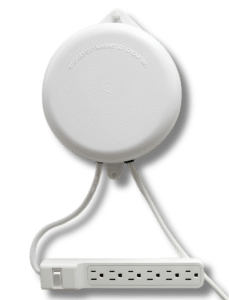
A temporary power restoration device is a portable autotransformer designed to restore a missing hot leg or neutral on a single-phase service. It connects at the meter socket using a meter adapter and uses the remaining energized conductors to regenerate the lost voltage. The customer receives balanced power while permanent repairs are scheduled and completed.
In the field, these devices are often called service savor units or Restore-a-phase equipment. Regardless of the name used, the core purpose remains the same: restore power at the meter quickly, safely, and without temporary overhead cabling.
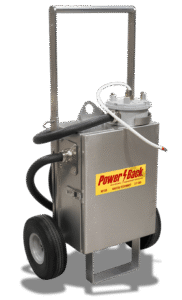
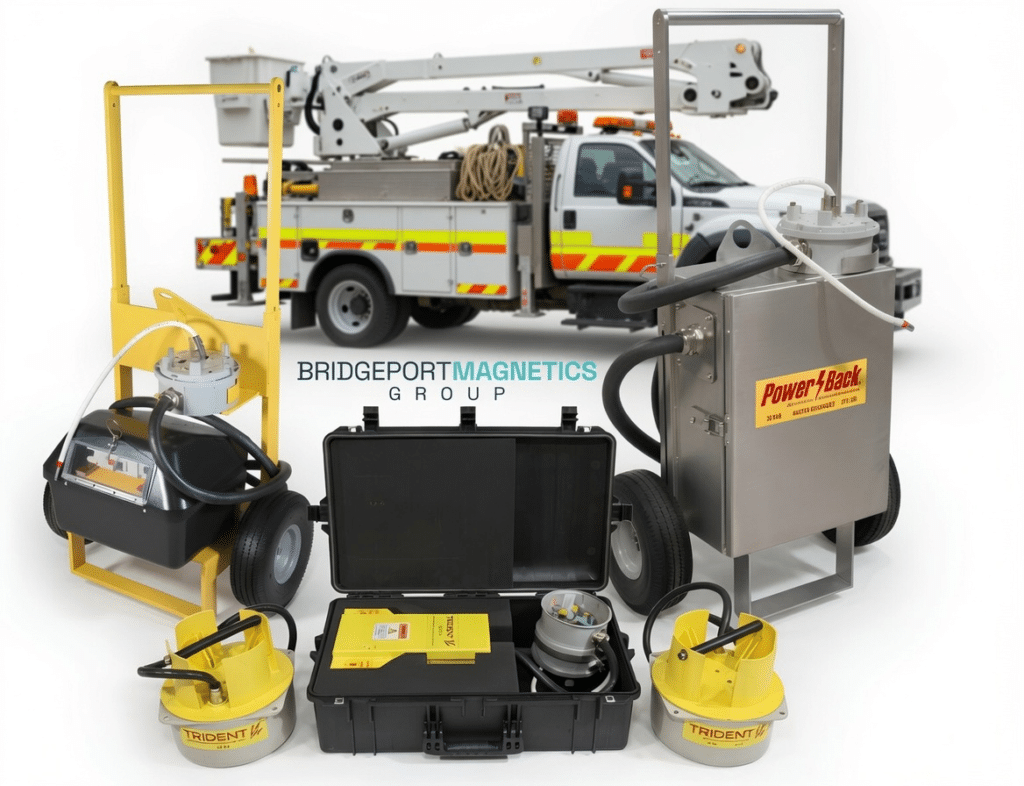
Modern versions are lighter, more durable, and easier to deploy than older designs. Many include thermal protection, voltage and current monitoring, never-flat tires, and modular or wheeled configurations that allow one or two crew members to handle the equipment efficiently.
Why Utilities Rely on Temporary Power Restoration
Utilities constantly work to reduce outage duration, improve crew safety, and control overtime costs. Temporary power restoration equipment supports these goals in several practical ways:
- Power can be restored in minutes instead of hours.
- Temporary overhead lines are no longer required across yards or streets.
- Physical strain on crews is reduced compared with older, heavier equipment.
- Permanent repairs can be scheduled during normal working hours.
- Accurate metering is maintained because power is restored at the correct meter.
These advantages explain why temporary power restoration devices have become a standard tool for many utilities.
Key Benefits of Modern Temporary Power Restoration Units
| Benefit | How It Helps Utilities | Practical Impact |
|---|---|---|
| Fast Restoration | Connects at the meter in 20–30 minutes | Shorter outage times and fewer customer complaints |
| No Temporary Overhead Lines | Eliminates need to string cables across property | Lower safety risk and reduced liability |
| Lightweight Design | Many units can be handled by one lineman | Faster deployment and less crew fatigue |
| Accurate Metering | Restores power at the correct meter | Avoids billing issues from neighbor connections |
| Weather Flexibility | Works in rain, snow, mud, and debris | Useful during and after storms |
| Reduced Overtime | Allows permanent repairs to be planned | Lower operational costs |
Real-World Situations Where These Units Excel
Temporary power restoration devices deliver clear value in several common situations:
Everyday Single-Leg Failures When one hot leg fails due to an underground cable fault or connector problem, customers lose half their power. A modern unit restores full service quickly while the permanent repair is scheduled.
Summer Heat and High Demand High air conditioning loads and heat stress on aging underground cables cause more single-leg failures. Fast temporary restoration keeps customers online during peak demand periods.
Storm Recovery After thunderstorms or hurricanes, crews face widespread damage and limited access. Lightweight units can be positioned even when debris or flooding makes traditional temporary lines impractical.
Planned Maintenance When utilities need to take a cable or transformer out of service, a temporary power restoration device can keep the customer powered during the planned outage.
Difficult Access Locations Backyards, rear-lot services, and areas with limited vehicle access benefit from wheeled or modular designs that one person can move into position.
Comparison: Traditional Temporary Lines vs Modern Temporary Power Units
| Factor | Traditional Temporary Overhead Lines | Modern Temporary Power Restoration Units | Advantage |
|---|---|---|---|
| Installation Time | Longer, especially in debris or wet conditions | Typically 20–30 minutes | Modern |
| Safety Risk | Higher (exposed lines in yards and streets) | Lower | Modern |
| Need to Pull Lines Through Yards | Yes | No | Modern |
| Risk to Children and Pets | High | None | Modern |
| Accurate Meter Readings | Often inaccurate when pulled from a neighbor | Accurate (connected to correct meter) | Modern |
| Ability to Work in Bad Weather | Difficult | Strong | Modern |
| Crew Requirements | Often requires multiple people | Frequently manageable by one lineman | Modern |
| Liability Concerns | Higher | Significantly reduced | Modern |
How These Units Improve Operational Efficiency
Utilities that adopt modern temporary power restoration equipment often see measurable improvements in several areas:
- Faster average restoration times
- Lower crew exposure to hazards
- Better use of personnel and reduced overtime
- Improved customer experience through shorter partial outages
- Greater flexibility for both emergency and planned work
These benefits become especially clear when comparing current equipment with older, heavier temporary power restoration units.
PowerBack: A Practical Restore-a-Phase Solution
Bridgeport Magnetics designed the PowerBack series with direct input from working linemen. The goal was to create a practical Restore-a-phase solution that addresses the real limitations of older equipment.
Key advantages of the PowerBack include:
- Lightweight wheeled designs with never-flat tires for easy movement across yards and rough terrain
- Quick single-turn meter adapters that speed up installation
- Thermal protection, voltage and current monitoring, and optional GFI protection
- Durable stainless steel construction built for repeated field use
- Made in Shelton, Connecticut, with a focus on reliability and long service life
- Available in multiple capacity ranges to handle residential and light commercial services
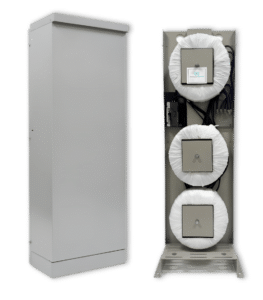
The modular Trident system is also available for locations where wheeled units cannot reach. Both product lines function as modern temporary power restoration solutions that prioritize speed, safety, and ease of use.
FAQ
What is a Restore-a-phase unit? A Restore-a-phase unit is a portable temporary power restoration device that restores a missing hot leg or neutral at the customer’s meter. It allows utilities to provide full 120/240V service while permanent repairs are completed. These units are also commonly called service savor units in the field. Modern versions are designed to be lighter and easier to deploy than older temporary power equipment.
How does a Restore-a-phase unit work? It connects at the meter using an adapter and uses the remaining energized conductors to regenerate the missing voltage. The customer receives balanced power without the need for temporary overhead lines. Installation is typically completed in 20 to 30 minutes, which is significantly faster than running temporary cables across a yard or street.
Are Restore-a-phase units the same as service savor units? Yes. Many utilities use the terms interchangeably. Both refer to temporary power restoration devices that restore a missing hot leg or neutral at the meter. The name often depends on regional language or the specific manufacturer, but the function remains the same.
How do modern Restore-a-phase units compare with older equipment like Restore-Lite? Older units such as Restore-Lite tend to be heavier and more difficult to maneuver, especially in bad weather or tight spaces. Modern designs like the PowerBack are significantly lighter, easier for one person to handle, and include updated safety features. Many utilities that previously used Restore-Lite style equipment have switched to lighter Restore-a-phase units because the newer designs improve response times and reduce physical strain on crews during long shifts.
Can one lineman deploy a Restore-a-phase unit? Yes. Most modern designs are built so that a single lineman can transport and position the unit, even in residential backyards or after storms. Lightweight wheeled and modular options make this practical. This is a clear improvement over older, bulkier equipment such as Restore-Lite, which often required additional crew support.
How long can a Restore-a-phase unit stay connected? These units are intended for temporary use while permanent cable or connector repairs are scheduled. Typical connection times range from a few days to a couple of weeks depending on the situation and crew workload. Utilities generally remove the unit as soon as the permanent repair is completed.
Do Restore-a-phase units work during winter weather? Yes. When snow or ice makes trenching difficult, many utilities use these units to restore power at the meter and wait for better conditions before completing permanent repairs. The lighter weight of modern Restore-a-phase units makes them much easier to move through snow compared with older, heavier equipment like Restore-Lite.
Is it safe to leave a Restore-a-phase unit in a customer’s yard? Modern units are designed for outdoor use and include safety features such as thermal protection. When installed correctly and monitored according to utility procedures, they provide a safe temporary power source while reducing the risks associated with temporary overhead lines. Proper placement and periodic checks remain important for safe operation.
Final Thoughts
Modern temporary power restoration equipment gives utilities a practical way to restore power quickly and safely during single-leg failures and partial outages. By eliminating temporary overhead lines, reducing crew strain, and allowing permanent work to be scheduled more efficiently, these devices improve both operational performance and customer experience.
As utilities continue to face higher demand, aging infrastructure, and more frequent weather events, practical Restore-a-phase solutions such as the PowerBack series provide a clear advantage over older, heavier equipment.
Product Callout Bridgeport Magnetics PowerBack & Trident Series Modern Restore-a-phase temporary power restoration units designed for speed, safety, and ease of use. Lightweight wheeled and modular options restore missing hot legs at the meter without temporary overhead lines. Made in the USA and built for real-world utility conditions.
Request a quote or speak with our engineers
Keyword Count: The exact phrase “Restore-a-ph