At a large Midwestern utility, single-leg underground failures were creating steady pressure on the O&M budget.
When one of these faults occurred, the standard response was to send a three-person crew with a digger truck and support vehicles. The crew would locate the fault using acoustic equipment, excavate, install a splice, backfill, and restore service. Most of this work happened under overtime or after-hours conditions.
A typical job took 5 to 9 hours and cost between $5,500 and $9,000. Nearly all of that cost hit the O&M budget. On top of the expense, the field splice left extra impedance on the cable, which is not ideal for long-term performance.

Traditional Cost Breakdown
| Cost Category | Typical Amount | Notes |
|---|---|---|
| Labor (3-person crew, OT) | $5,500 | Largest cost driver |
| Vehicles & Equipment | $1,000 | Digger truck + support vehicles |
| Materials | $1,200 | Splice kit, backfill, restoration |
| Total per Event | ~$7,700 | Charged fully to O&M |
These costs were difficult to forecast and repeated often enough to create real budget strain.
The Change: Deploying Service Savers
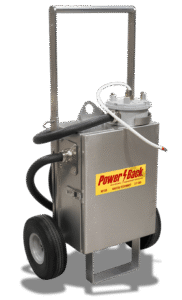
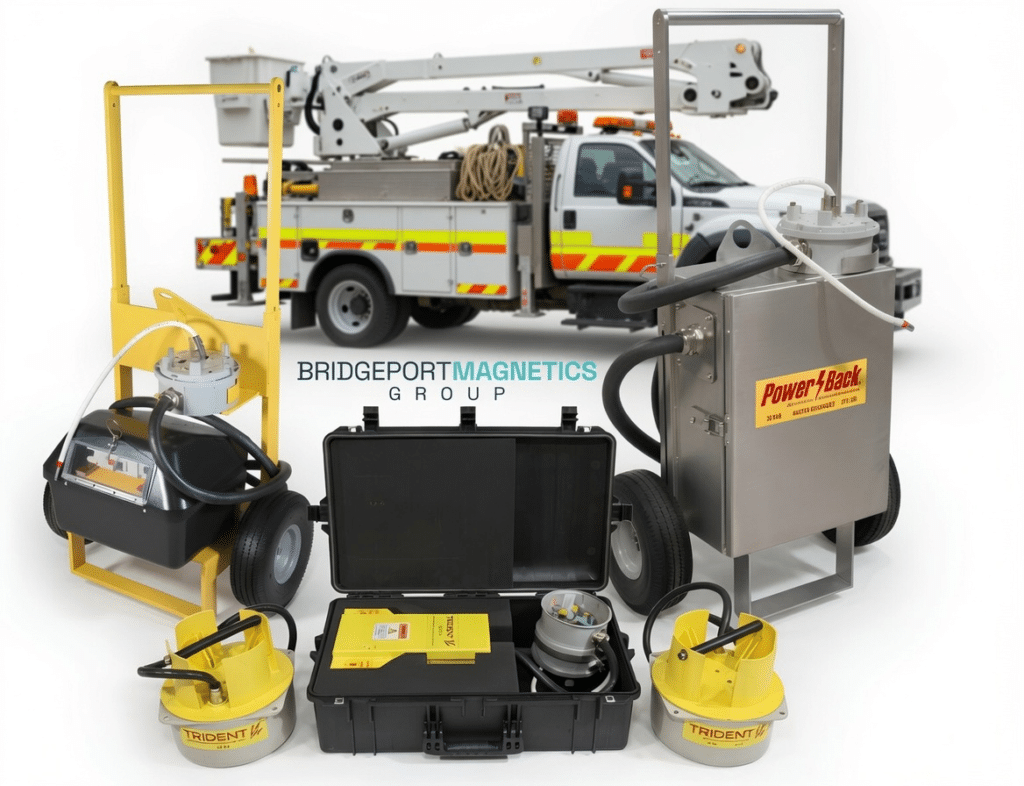
Instead of immediately mobilizing a full excavation crew, the utility began using Service Savers.
A single responder now deploys the unit and restores full power at the customer meter in about 15 minutes. The permanent repair is scheduled within 30 days as planned work rather than emergency work.
What Changed
| Factor | Before Service Savers | After Service Savers |
|---|---|---|
| Time to restore customer | 5–9 hours | ~15 minutes |
| Crew required for restoration | 3 people | 1 responder |
| Timing of permanent repair | Emergency / overtime | Planned within 30 days |
| Budget impact | 100% Emergency O&M | Shifted toward Capital or planned work |
| Cable outcome | Field splice | Proper permanent repair |
| Overtime exposure | High | Significantly reduced |
Results for the Utility
By restoring the customer first and deferring the permanent repair, the utility removed most of the expensive emergency labor from the immediate response. Overtime dropped. The permanent work moved into a planned window where it could be managed more efficiently and, in many cases, treated as capital or planned maintenance rather than pure reactive O&M.
The cable also received a better long-term repair instead of a hurried field splice.
Why This Matters to Utility Leaders
Emergency single-leg repairs are one of the hardest O&M costs to control. They are reactive, often performed at premium labor rates, and difficult to forecast.
Service Savers give the utility a practical way to:
- Restore customers quickly
- Reduce overtime
- Move a large portion of the work out of emergency O&M
- Improve the quality of the permanent repair
The tool does not eliminate the need for a permanent fix. It changes the timing and the budget classification of that fix.
Bottom Line
A large utility found that using Service Savers on single-leg underground failures turned an expensive, unpredictable O&M event into a more controlled process. Customers get power back in minutes, overtime drops, and a meaningful share of the cost shifts from emergency O&M into planned or capital spending.