One-man temporary power restoration has become one of the most practical needs in modern utility operations. When a single-leg failure or partial outage occurs, the first responder is often a Troubleman working alone. These field technicians face strict physical limits, time pressure, and the reality that some customers cannot safely remain without power for long. A true one-man deployable temporary power solution changes how quickly and safely these outages can be resolved.
This post explains the role of the Troubleman, the constraints of one-man response, why traditional temporary power equipment often falls short, and how a lightweight, purpose-built unit can restore power in under 15 minutes while protecting the most vulnerable residential customers.
Who Is a Troubleman?
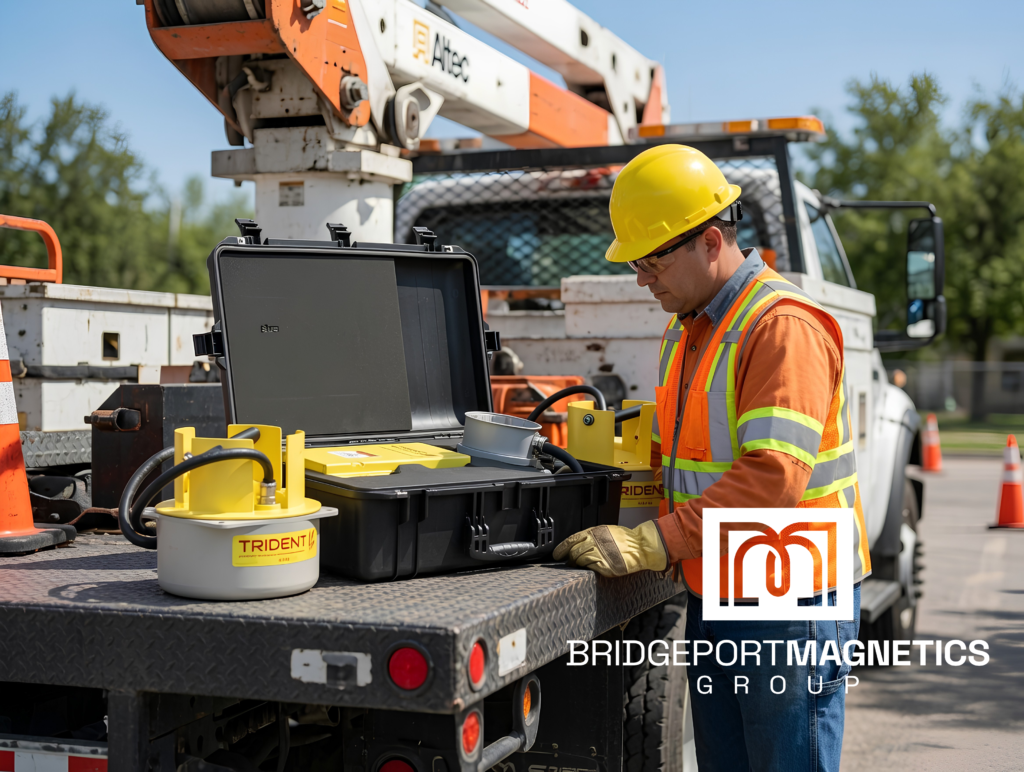
A Troubleman is a utility worker responsible for responding to outage calls, diagnosing problems, and restoring service as quickly and safely as possible. In many utilities, Troublemen operate as single-person crews, especially during nights, weekends, or lower-volume periods. They are expected to locate the issue, make the situation safe, and restore power when it is within their authority and capability.
Because they often work alone, every piece of equipment they carry must be manageable by one person. This reality shapes what tools and temporary power solutions can realistically be used in the field.
The One-Man Lift Reality
Most utilities enforce physical limits on what a single worker can safely lift and handle. A common practical threshold is approximately 50 pounds, often referred to in the field as a “one-man lift.” Equipment that exceeds this weight generally requires a second person or mechanical assistance.
This limit has major implications for temporary power restoration. Older or heavier temporary power units frequently exceed what one Troubleman can reasonably move from a truck, across a yard, and into position at the meter. When that happens, the Troubleman faces a choice:
- Call for additional help and wait
- Attempt to work around the limitation
- Leave the customer without power until a full crew can respond
Each of these options increases outage duration and operational complexity.
Why Traditional Temporary Power Equipment Falls Short for One-Man Response
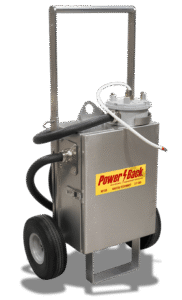
Many traditional temporary power restoration devices were designed with two-person or multi-person crews in mind. They are often:
- Heavy and difficult to maneuver
- Awkward to position in residential backyards
- Dependent on temporary overhead lines that take time to install
- Too cumbersome for rapid single-person deployment
These characteristics create friction in the exact situations where speed matters most. A Troubleman who cannot quickly deploy the equipment loses the ability to restore power on the first visit.
What a True One-Man Temporary Power Solution Provides
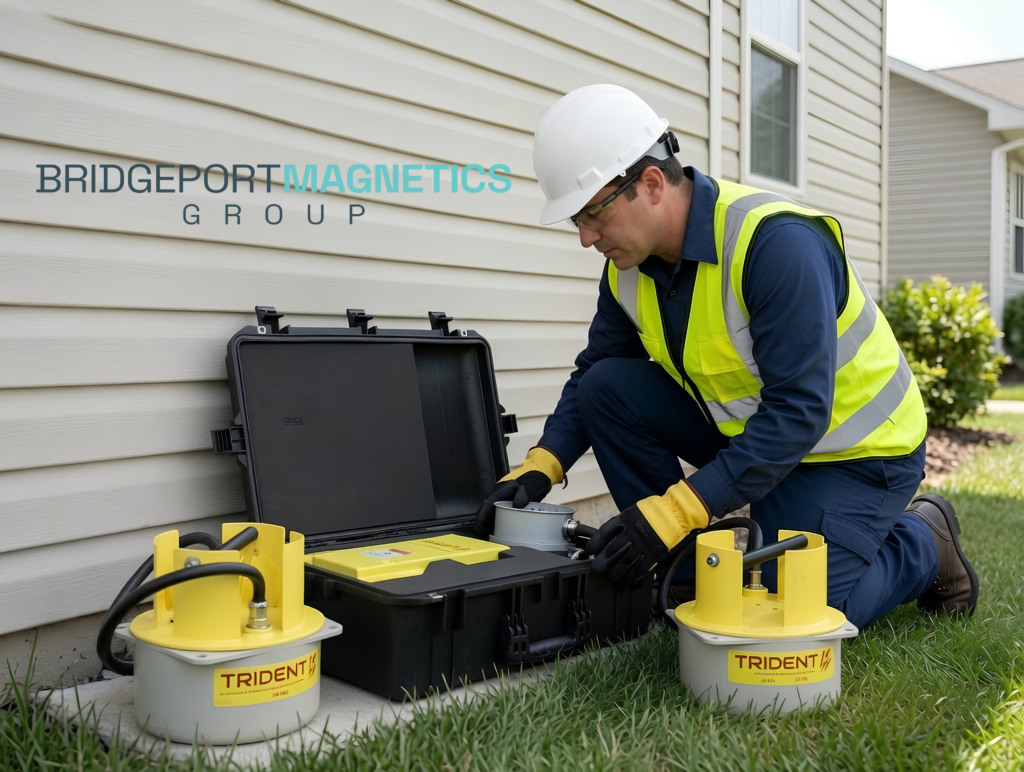
A true one-man temporary power restoration unit is designed around the realities of single-person response. Key characteristics include:
| Requirement | Why It Matters for a Troubleman |
|---|---|
| Weight under practical one-man limit | Allows a single worker to lift, carry, and position the unit |
| Compact and portable design | Fits in a standard service vehicle and moves easily through yards |
| Fast meter connection | Enables restoration in minutes rather than hours |
| No temporary overhead lines needed | Eliminates time-consuming and higher-risk cabling work |
| Simple, reliable operation | Reduces complexity under time pressure and poor conditions |
When these features are present, a Troubleman can respond to a single-leg failure, deploy the unit, and restore power without waiting for additional crew support.
The Speed Advantage: Restoring Power in Under 15 Minutes
In many single-leg failure situations, a properly designed one-man temporary power unit can restore service in less than 15 minutes once the Troubleman is on site. This is dramatically faster than waiting for a second person, running temporary overhead lines, or scheduling a later crew response.
Faster restoration delivers clear benefits:
- Shorter customer outage time
- Reduced pressure on the Troubleman
- Lower likelihood of escalated complaints
- Better overall system reliability metrics
For upper management, these faster restorations contribute to improved SAIDI (System Average Interruption Duration Index) performance because outage minutes are reduced.
Life-Critical Residential Customers Who Cannot Wait
Not every customer can safely remain without power for an extended period. Certain residential situations create genuine urgency. A Troubleman who can restore power quickly may prevent serious health or safety consequences.
Life-Sustaining and Essential Medical Equipment
- Residents who depend on oxygen concentrators or home ventilators
- People who rely on CPAP or BiPAP machines for severe sleep apnea or serious respiratory conditions
- Residents receiving home dialysis
- People who require powered airway humidifiers or electrically powered medical-monitoring equipment
- People with medications that must remain refrigerated
Medically Vulnerable Residents
- Residents with severe COPD or other serious respiratory illnesses
- People who cannot safely tolerate extreme heat or cold and depend on heating, air conditioning, air filtration, ventilation, humidification, or dehumidification for medical reasons
- Older adults aging in place
- Medically fragile infants and children
- People recovering from major surgery or undergoing cancer treatment
- People who require refrigeration for medical nutrition, feeding formula, breast milk, or medically prescribed foods
Accessibility and Safe Evacuation
- People who depend on stair lifts or wheelchair platform lifts
- Residents who rely on automatic doors, powered gates, or garage doors for safe access, egress, or emergency evacuation
Water, Wastewater, and Sanitation
- Properties that rely on private well pumps or electric water-pressure pumps for drinking water and household use
- Residences that depend on septic pumps, sewage-ejector pumps, grinder pumps, or sump pumps
- Properties that require powered water-filtration or water-treatment systems
- Residents who need electricity to maintain clean water, working toilets, bathing, cooking, and essential sanitation
Critical and Emergency Services Performed Remotely
- 911 dispatchers and other public-safety personnel working remotely
- Doctors providing telemedicine and nurses delivering remote patient care
- Emergency-management and government emergency-response personnel
- Cybersecurity professionals protecting critical systems
- Information-technology professionals maintaining essential infrastructure
In these situations, the difference between a one-hour outage and a multi-hour outage can be significant. A Troubleman equipped with a true one-man temporary power solution has the ability to close that gap.
Operational Benefits Beyond the Individual Outage
When Troublemen can consistently restore power on the first visit, several broader benefits appear:
| Benefit | Impact on Utility Operations |
|---|---|
| Faster average restoration | Supports better SAIDI performance |
| Fewer return trips | Reduces crew hours and vehicle costs |
| Lower physical strain | Decreases injury risk and fatigue |
| Better customer experience | Fewer escalated complaints and higher satisfaction |
| More efficient use of resources | Allows full crews to focus on complex or large-scale work |
These advantages compound over time, especially during busy periods or after storms when single-leg failures are common.
Comparison: Traditional Approach vs One-Man Temporary Power Restoration
| Factor | Traditional Heavier Equipment or Temporary Lines | True One-Man Temporary Power Unit | Advantage |
|---|---|---|---|
| Deployable by one Troubleman | Often no | Yes | One-Man |
| Typical on-site restoration time | Longer | Under 15 minutes in many cases | One-Man |
| Need for additional crew | Frequently required | Rarely required | One-Man |
| Physical strain | Higher | Significantly lower | One-Man |
| Need for temporary overhead lines | Common | Not required | One-Man |
| Suitability for residential yards | Limited | High | One-Man |
| Impact on medically vulnerable customers | Delayed restoration | Faster protection | One-Man |
Trident: Designed for True One-Man Deployment
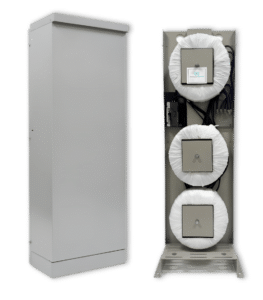
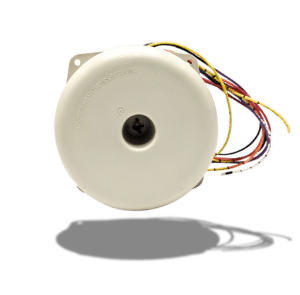
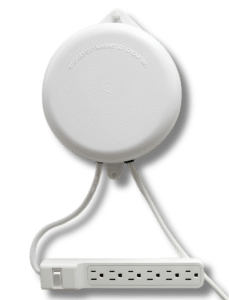
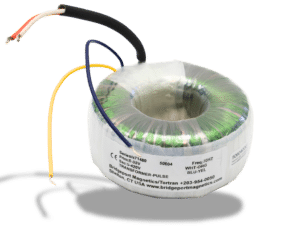
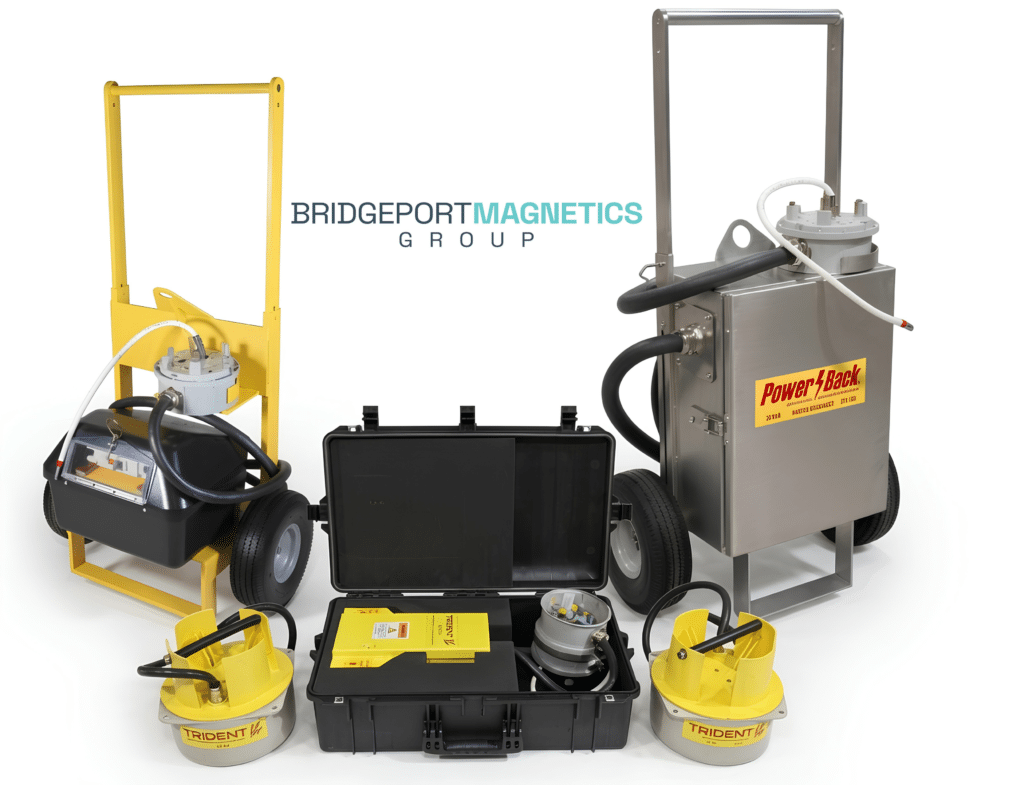
The Trident system from Bridgeport Magnetics was developed specifically to meet the realities of single-person utility response. It is a lightweight, modular temporary power restoration autotransformer that a Troubleman can transport and deploy alone.
Key characteristics that support one-man use include:
- Weight low enough for practical single-person handling
- Compact form that fits typical service vehicles
- Fast connection at the meter
- No requirement for temporary overhead lines
- Ability to restore full 120/240V service quickly
Because it can be deployed by one person in a short time, Trident gives Troublemen a practical tool that matches the constraints and expectations of their role.
FAQ
What is one-man temporary power restoration? It refers to temporary power equipment that a single utility worker, such as a Troubleman, can transport, position, and connect without assistance from a second crew member.
Why is the 50-pound limit important? Many utilities treat approximately 50 pounds as a practical one-man lift threshold for safety and ergonomics. Equipment above this weight often requires additional help, which delays restoration. This is a perfect for a one-man temporary power restoration solution.
How fast can a one-man unit restore power? In many single-leg failure situations, a properly designed unit can restore service in under 15 minutes after the Troubleman arrives on site.
Does faster restoration really matter for residential customers? Yes. Certain customers rely on electricity for medical equipment, temperature control, water and sanitation, or remote critical work. Shorter outages reduce health and safety risks for these residents.
How does one-man temporary power restoration affect reliability metrics? By reducing the duration of individual outages, it contributes to lower SAIDI values and can support overall reliability performance that upper management monitors.
Is Trident suitable for one-man use? Yes. Trident was designed as a lightweight, modular solution that a single Troubleman can deploy, making it practical for first-response temporary power restoration.
Final Thoughts
Troublemen work under real physical and operational constraints. When temporary power equipment is too heavy or too complex for one person to deploy, restoration is delayed and vulnerable customers remain at risk longer than necessary. A true one-man temporary power restoration solution removes that barrier. It allows a single responder to restore power quickly, protect medically and operationally critical residential customers, and contribute to better overall system performance.
As utilities continue to balance reliability goals, crew safety, and customer needs, equipment that matches the realities of single-person response will remain one of the most practical tools available.
Product Callout Bridgeport Magnetics Trident Series A true one-man temporary power restoration autotransformer designed for Troublemen and single-person crews. Lightweight, modular, and fast to deploy so power can be restored at the meter in minutes without temporary overhead lines.