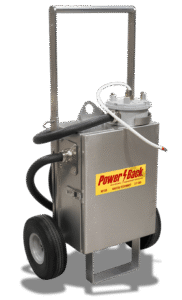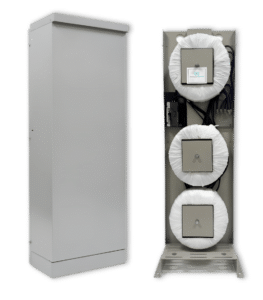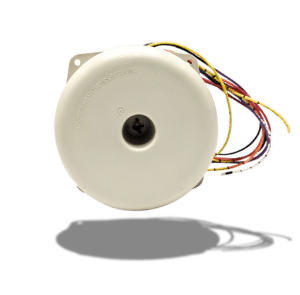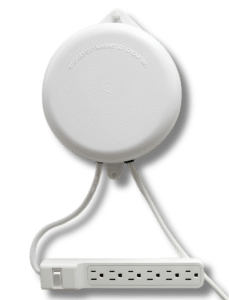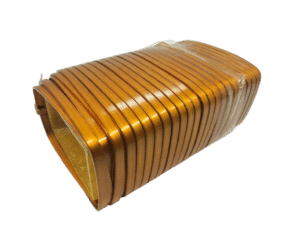
In modern electrical systems, clean and isolated power is essential for safety, performance, and reliability. Sensitive equipment in medical facilities, data centers, industrial controls, and professional audio systems requires protection from electrical noise, ground loops, and leakage currents. Toroidal isolation transformers have become a preferred solution in these environments because of their efficiency, low electromagnetic interference, and compact design.
This article examines the full engineering process behind toroidal isolation transformers, from initial design through manufacturing, testing, and real-world deployment.
Why the Toroidal Design Matters
An isolation transformer provides galvanic separation between the power source and the load. This separation helps protect equipment and personnel by breaking ground loops, reducing leakage current, and limiting the transfer of electrical noise.
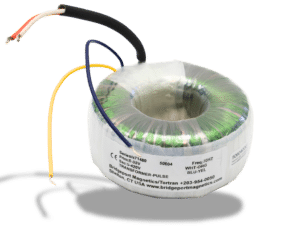
The toroidal core offers several engineering advantages over traditional E-I laminated designs. The continuous, circular magnetic path keeps flux contained within the core, which significantly reduces stray magnetic fields and electromagnetic interference. The design also delivers higher efficiency through lower core and copper losses, along with a more compact and lighter construction. These characteristics make toroidal isolation transformers especially suitable for applications where space is limited and electromagnetic cleanliness is important.
Precision Design: Engineering Decisions That Matter
The design process starts with a clear understanding of the application requirements. Engineers define voltage and current ratings, frequency range, leakage current limits, environmental conditions, and safety standards.
Key design considerations include:
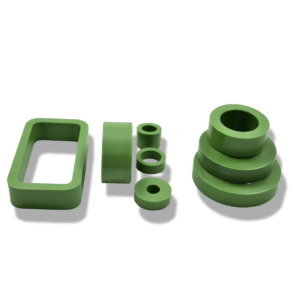
- Core Material Selection — Grain-oriented silicon steel is commonly used for power-frequency applications because it offers low core losses. Ferrite or other specialized materials may be selected for higher-frequency operation or when even lower losses are required.
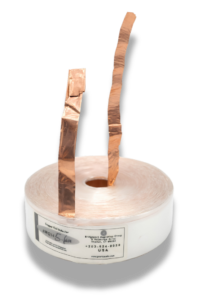
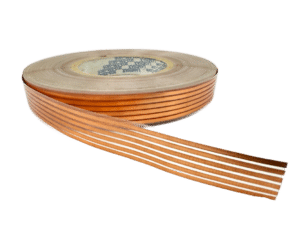
- Winding Calculations — Engineers determine the number of primary and secondary turns, wire gauge, and winding configuration needed to achieve the required voltage ratio, current capacity, and isolation voltage.
- Shielding Approach — Many designs include an electrostatic shield between the primary and secondary windings to reduce capacitive coupling and common-mode noise.
- Thermal and Mechanical Factors — The compact toroidal shape provides good heat dissipation, but designers must still account for temperature rise, mounting methods, and vibration resistance in the final installation environment.
The objective is to create a transformer that delivers stable, isolated power while minimizing size, weight, and energy losses.
Manufacturing: From Design Specifications to Finished Product
After the design is complete, manufacturing begins with precision winding of the toroidal core. Unlike E-I transformers, where coils are wound separately and then assembled onto the core, toroidal transformers are wound directly onto the continuous core ring.
This winding process requires careful control to achieve:
- Uniform wire tension and even layering
- Consistent spacing between turns
- Proper insulation between windings and layers
- Accurate placement of electrostatic shields when used
Bridgeport Magnetics uses specialized winding techniques that provide tight control over electrical parameters and high repeatability. This capability is particularly important for applications that demand very low leakage current, such as medical equipment, or minimal electromagnetic interference, such as data centers and audio systems.
Customization is a strength of toroidal technology. Core materials, winding methods, shielding, and enclosure designs can be adjusted to meet specific voltage, frequency, size, or safety requirements.
Testing and Quality Assurance
Before deployment, every toroidal isolation transformer undergoes comprehensive testing. Standard tests include dielectric strength (hi-pot) testing, load and no-load loss measurements, leakage current verification, temperature rise testing, and short-circuit capability checks.
High-quality manufacturers perform 100 percent testing on critical parameters and maintain full traceability throughout production. This rigorous process confirms that the transformer will perform reliably over its intended lifespan, even under demanding conditions.
Deployment in Real-World Applications
Once manufactured and tested, toroidal isolation transformers are integrated into a wide range of systems:
- Medical Equipment — Provide very low leakage current to meet strict safety standards for patient-connected devices.
- Data Centers — Supply clean, isolated power while helping reduce electromagnetic interference and supporting overall power quality.
- Industrial Automation — Protect control systems from ground loops and electrical noise in factory environments.
- Professional Audio Systems — Eliminate hum caused by ground loops in recording and broadcast applications.
- Marine and Mobile Systems — Offer compact, lightweight isolation where space and weight are limited.
The small size and low EMI characteristics of toroidal designs make them easier to install in modern equipment where space is constrained.
Toroidal vs Traditional E-I Isolation Transformers
| Characteristic | Toroidal Isolation Transformer | Traditional E-I Isolation Transformer |
|---|---|---|
| Electromagnetic Interference | Very low stray fields | Higher stray magnetic fields |
| Efficiency | Higher due to lower core and copper losses | Generally lower efficiency |
| Size and Weight | Significantly more compact and lighter | Larger and heavier |
| Audible Noise | Very low | Can produce noticeable hum |
| Leakage Current | Easier to achieve very low levels | Typically higher |
| Mounting Flexibility | Excellent | More limited |
| Customization Capability | High | Moderate |
Bridgeport Magnetics Group: Engineering Custom Toroidal Isolation Transformers
Bridgeport Magnetics Group specializes in the design and manufacture of custom toroidal isolation transformers. Our engineering team collaborates with customers to develop solutions that meet specific voltage, current, leakage current, size, and environmental requirements.
With extensive experience in precision toroidal winding and a strong commitment to testing and quality control, we deliver transformers that provide reliable performance in demanding applications. All products are manufactured in our Shelton, Connecticut facility with full traceability.
Whether you need a standard isolation transformer or a fully custom solution, Bridgeport Magnetics has the expertise to support your project.
Contact us today to discuss your toroidal isolation transformer requirements.
Phone: (203) 954-0050 Email: [email protected] Website: bridgeportmagnetics.com
Frequently Asked Questions
What makes the toroidal design advantageous for isolation transformers? The continuous circular core keeps magnetic flux contained, which reduces electromagnetic interference and energy losses while allowing for a more compact and lighter construction compared to traditional designs.
Why is low leakage current important? Low leakage current improves safety in medical applications and helps prevent ground loops and noise in sensitive electronic systems. Toroidal construction makes it easier to achieve very low leakage current levels.
Can toroidal isolation transformers be customized for specific applications? Yes. Core materials, winding configurations, shielding, and enclosures can all be tailored to meet particular voltage, frequency, size, or safety requirements.
Where are toroidal isolation transformers commonly used? They are widely used in medical devices, data centers, professional audio equipment, industrial control systems, and any application that requires clean, isolated power with low electromagnetic interference.
Ready to develop a high-performance toroidal isolation transformer for your system? Contact Bridgeport Magnetics Group to explore custom engineering options.