Faster temporary power restoration is one of the most practical ways utilities can reduce the real-world impact of single-leg failures and partial outages. Many utility teams operate under a reasonable assumption: when power goes out, they send a responder, the problem is found, and service is restored. In practice, the process is rarely that clean. Troubleshooting and locating the source of the fault often take significant time. During that window, customers remain without power, and for some households the extra 30 minutes to two hours can create serious consequences.
This post examines why faster temporary power restoration matters, what actually happens during the early stages of an outage response, and how bridging the gap between arrival and permanent repair improves outcomes for both customers and the utility.
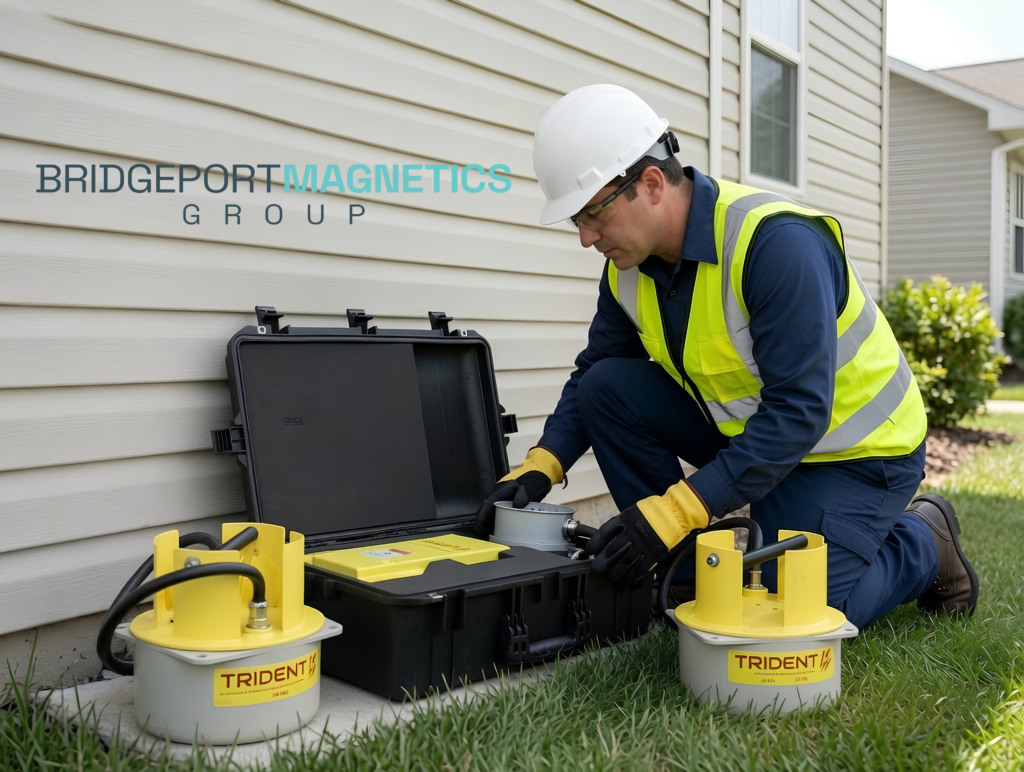
The Common Assumption vs. Field Reality
A frequent perspective inside utilities is that restoration is primarily a matter of sending qualified people to the site. Once a Troubleman or crew arrives, the expectation is that the issue will be identified and corrected in a reasonable timeframe. This view is understandable. Most outages are eventually resolved, and experienced field personnel are skilled at diagnosing problems.
What this assumption often underestimates is the time required to locate the actual source of the fault. Underground cable failures, connector problems, and single-leg issues are not always obvious. Testing, tracing, and confirming the failed section can consume 30 minutes, an hour, or longer before permanent repairs even begin. During that entire period, the customer remains without full power.
Faster temporary power restoration addresses this gap. It allows the utility to restore service at the meter while the underlying problem is still being diagnosed and repaired.
Why the Diagnostic Window Matters
The period between a responder arriving on site and the permanent repair being completed is the diagnostic window. This window is where outage duration quietly expands. Every additional minute spent locating the fault, waiting for equipment, or coordinating additional resources adds to the total customer minutes of interruption.
For many residential customers the delay is an inconvenience. For others it creates real risk. The longer the diagnostic window remains open without temporary power in place, the greater the cumulative impact on medically vulnerable households, temperature-sensitive residents, and properties that rely on electricity for water, sanitation, or accessibility.
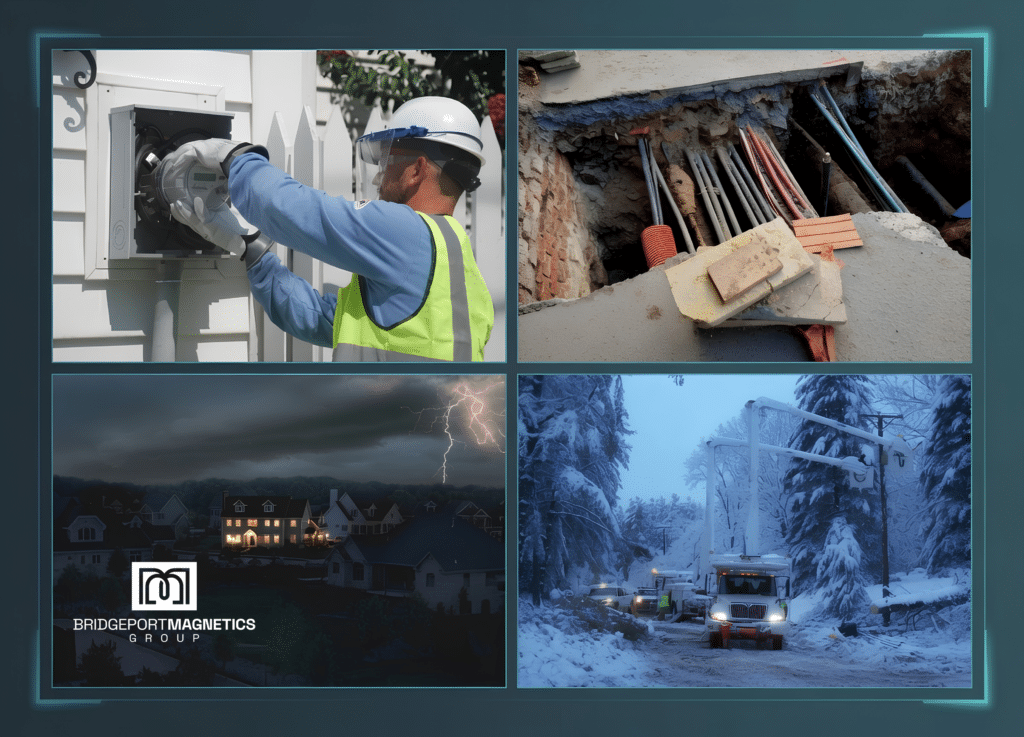
4 Reasons Why Faster Temporary Power Restoration Matters
1. Troubleshooting and Fault Location Take Time
Single-leg failures and underground faults are rarely instantaneous to diagnose. A responder may need to perform multiple tests, inspect connectors, check related equipment, or trace cable sections before identifying the exact point of failure. In residential neighborhoods with underground distribution, this process can easily extend the outage well beyond the initial arrival time.
Faster temporary power restoration does not eliminate the need for proper diagnosis. It simply removes the customer from the waiting period. Power can be restored at the meter while the crew continues the work of finding and fixing the root cause. This separation of temporary service from permanent repair is one of the most effective ways to control outage duration.
2. Extra Minutes Create Meaningful Risk for Vulnerable Customers
Not every household can tolerate an extended outage equally. Certain residential customers depend on electricity for health, safety, or basic living conditions. When restoration is delayed by the time required to troubleshoot, these customers face elevated risk.
Examples include:
- Residents who rely on oxygen concentrators, home ventilators, CPAP, or BiPAP machines
- People receiving home dialysis or using other powered medical equipment
- Households that must keep critical medications refrigerated
- Older adults and medically fragile individuals who cannot safely tolerate extreme temperatures
- Properties dependent on well pumps, septic systems, or sump pumps
- Residents who need powered accessibility equipment such as stair lifts or wheelchair lifts
In these situations, the difference between restoring power in 15 minutes versus 90 minutes or more is not abstract. It can affect health outcomes, safety, and the ability to remain in the home. Faster temporary power restoration shortens the exposure window for these customers.
3. Outage Duration Directly Influences Reliability Performance
Utilities track reliability through metrics such as SAIDI (System Average Interruption Duration Index) and SAIFI (System Average Interruption Frequency Index). SAIDI is particularly sensitive to how long outages last. Every additional customer-minute of interruption adds to the annual total.
When troubleshooting extends the outage, those minutes accumulate across every affected customer. By restoring service temporarily while the fault is located and repaired, utilities can limit the growth of outage duration. Over time, consistent use of faster temporary power restoration contributes to better control of reliability metrics that are visible to regulators, leadership, and customers.
4. Field Response Is More Effective When Temporary Service Is Available Quickly
When a responder arrives and can only begin meaningful customer relief after the fault is fully identified, the early phase of the response is largely diagnostic. The customer remains offline, pressure increases, and the operational focus stays on problem-finding rather than service restoration.
A faster temporary power approach changes the sequence. The responder can restore power at the meter first, stabilizing the customer, and then continue the diagnostic and repair work with less urgency around the clock. This improves the experience for the customer and gives the field team more flexibility to complete a thorough repair without the same level of time pressure.
How Faster Temporary Power Restoration Changes the Response Sequence
| Stage of Response | Traditional Approach | With Faster Temporary Power Restoration |
|---|---|---|
| Arrival on site | Begin diagnosis | Begin diagnosis and prepare temporary restoration |
| Fault location | Customer remains without power | Customer can be restored while diagnosis continues |
| Permanent repair | Power restored only after repair is complete | Permanent repair completed under less time pressure |
| Total customer outage duration | Includes full diagnostic + repair time | Diagnostic time largely removed from customer impact |
| Pressure on field personnel | High until permanent repair is finished | Reduced once temporary service is in place |
This shift does not replace proper troubleshooting. It simply prevents the customer from absorbing the full cost of the time required to find and fix the problem.
Practical Impact on Utility Operations
Utilities that adopt faster temporary power restoration as a standard option often see several operational benefits:
- Reduced average outage duration for single-leg and similar failures
- Lower volume of escalated customer complaints during extended diagnostic periods
- Improved ability to protect medically and operationally vulnerable accounts
- Better alignment between field response and reliability goals
- More flexible scheduling of permanent repairs once temporary service is established
These outcomes are incremental, but they compound across hundreds or thousands of events over the course of a year.
Addressing the “We Just Send Someone Out” Perspective
The belief that simply dispatching a qualified responder is sufficient underestimates the structure of many outages. Sending someone out is necessary, but it is not the same as restoring power. The time between arrival and permanent repair is where duration expands and where customer risk concentrates.
Faster temporary power restoration does not challenge the skill of field personnel. It supports them by giving them a way to stabilize the customer quickly so that diagnosis and repair can proceed without the same level of urgency around the clock. In this sense, it is a complementary tool rather than a replacement for traditional response methods.
FAQ
What is faster temporary power restoration? It refers to the ability to restore full or near-full service at the customer’s meter within a short time after arrival, using portable equipment, while the underlying fault is still being located and repaired.
Why does troubleshooting take so long in some cases? Underground faults, connector failures, and single-leg issues often require testing and tracing before the exact failure point is confirmed. This diagnostic work is essential but time-consuming.
How does faster temporary power restoration help vulnerable customers? It shortens the period these customers spend without electricity for medical equipment, temperature control, water systems, accessibility devices, and other critical needs.
Does this approach improve reliability metrics? Yes. By reducing the duration of individual outages, it helps limit the accumulation of customer-minutes of interruption that feed into SAIDI calculations.
Is temporary restoration a substitute for permanent repair? No. It is a bridge that protects the customer while permanent work is completed correctly and safely.
When is faster temporary power restoration most valuable? It is particularly useful for single-leg failures, underground residential faults, and any situation where diagnosis is expected to take more than a short period of time.
Final Thoughts
The assumption that “we just send someone out and they get it done” overlooks the real structure of many outages. Troubleshooting and fault location consume time. During that window, customers remain exposed, and some face meaningful risk. Faster temporary power restoration closes the gap between arrival and permanent repair. It reduces outage duration, supports better reliability performance, and provides a practical way to protect the customers who can least afford extended interruptions.
For utilities focused on both operational efficiency and customer outcomes, the ability to restore service quickly while diagnosis continues is not a convenience. It is a necessary part of a modern response strategy.
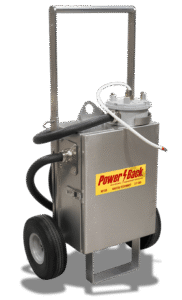
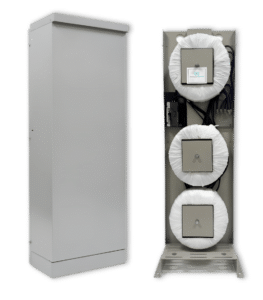
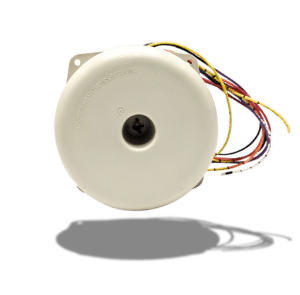
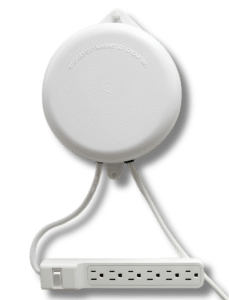
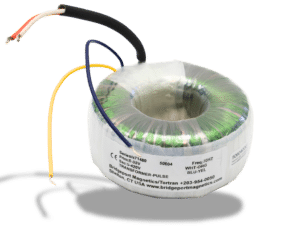
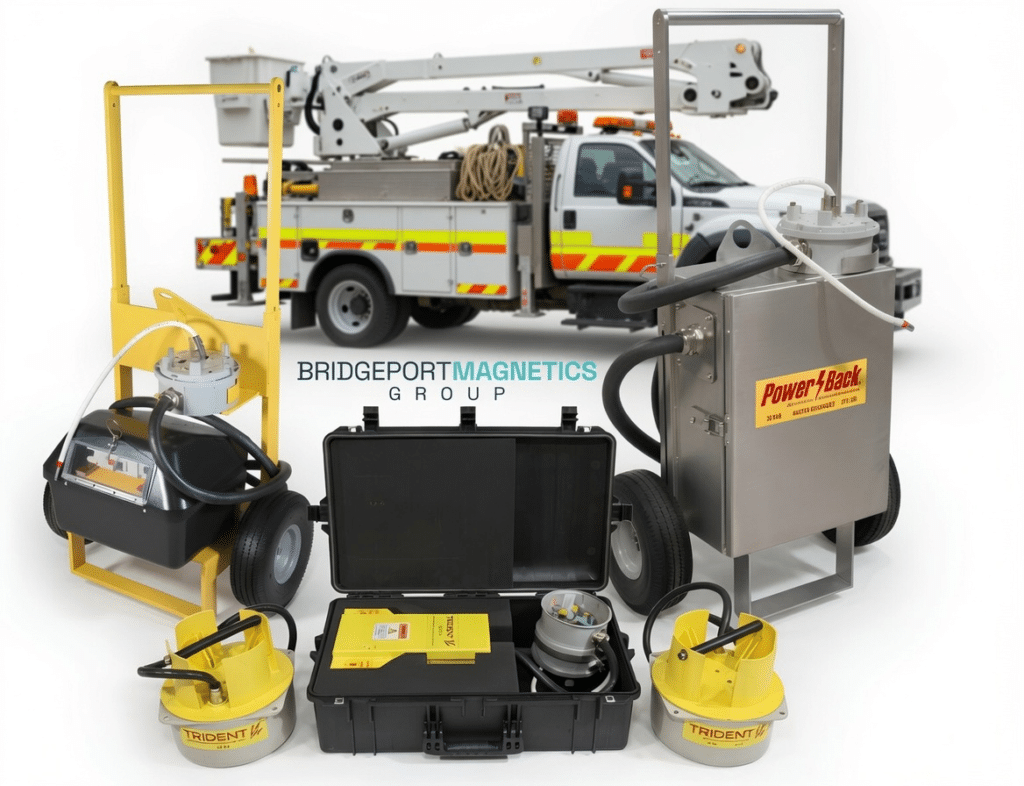
Product Callout Bridgeport Magnetics Trident Series A lightweight temporary power restoration solution designed to help utilities restore service quickly at the meter while crews complete diagnosis and permanent repairs. Built for real field conditions and rapid deployment.