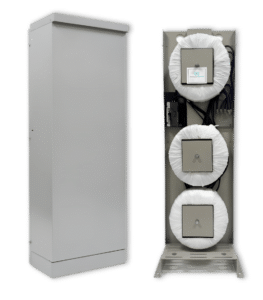
How to choose the right enclosed medical isolation transformer is one of the most important decisions healthcare facilities and equipment manufacturers face. These transformers play a critical role in patient safety, equipment protection, and regulatory compliance. Making the wrong choice can lead to higher leakage current, electromagnetic interference issues, or even compliance problems during inspections.
Why Choosing the Right Enclosed Medical Isolation Transformer Matters
Healthcare environments have strict electrical safety requirements because many medical devices come into direct or conductive contact with patients. An enclosed medical isolation transformer provides galvanic isolation while reducing leakage current and protecting sensitive equipment from power disturbances.
Using the correct enclosed medical isolation transformer helps facilities meet IEC 60601-1 standards, improves equipment reliability, and reduces the risk of electrical incidents. It also makes installation and maintenance easier in clinical settings.
Key Factors to Consider When Choosing an Enclosed Medical Isolation Transformer
When selecting an enclosed medical isolation transformer, several important factors should be evaluated:
| Factor | Why It Matters | What to Look For |
|---|---|---|
| Power Capacity (kVA) | Must handle the total load of connected equipment | Calculate total wattage and add safety margin |
| Leakage Current Performance | Must meet medical safety standards | Look for units tested to IEC 60601-1 |
| Enclosure Rating | Protects the transformer in clinical environments | NEMA or IP-rated enclosures suitable for healthcare |
| Electromagnetic Shielding | Reduces interference with sensitive medical devices | Electrostatic shielding between windings |
| Thermal Protection | Prevents overheating during continuous operation | Built-in thermal sensors or protection |
| Mounting and Installation | Must fit available space and mounting requirements | Wall mount, rack mount, or floor standing options |
| Compliance and Certifications | Required for regulatory approval in healthcare settings | UL 60601-1 and IEC 60601-1 recognition |
How to Determine the Correct Size
Choosing the right capacity is one of the most common challenges. Undersizing can cause overheating and failure, while oversizing increases cost unnecessarily.
Recommended Sizing Process:
- List all equipment that will be powered by the transformer.
- Add up the wattage of each device.
- Add a 20–30% safety margin.
- Convert total watts to kVA (divide by 1000).
- Select the next standard size above your calculated requirement.
| Example Application | Estimated Load | Recommended Size | Safety Margin Applied |
|---|---|---|---|
| Single Procedure Room | 650 VA | IP800/60 | 23% |
| Multiple Diagnostic Devices | 1,800 VA | IP2200/60 | 22% |
| Small Operating Room Setup | 2,100 VA | IP2500/60 | 19% |
| Larger Multi-Equipment Installation | 2,800 VA | IP3000/60 | 7% |
Important Features to Prioritize
Not all enclosed medical isolation transformers are the same. Here are the features that matter most in healthcare settings:
| Feature | Benefit in Healthcare Environments | Priority Level |
|---|---|---|
| Electrostatic Shielding | Reduces electromagnetic interference with monitors and imaging | High |
| Thermal Protection | Prevents overheating during long procedures | High |
| Low Audible Noise | Important in operating rooms and patient recovery areas | Medium |
| Compact Enclosure | Easier to install in space-limited clinical areas | Medium |
| Multiple Mounting Options | Flexibility for wall, rack, or cart installation | Medium |
| High Efficiency | Reduces heat output and long-term operating costs | Medium |
Common Mistakes to Avoid When Selecting an Enclosed Medical Isolation Transformer
Many facilities make avoidable errors when choosing these transformers:
- Choosing a unit that is too small for the actual connected load
- Ignoring leakage current performance and compliance certifications
- Overlooking electromagnetic shielding needs in sensitive areas
- Failing to account for future equipment additions
- Selecting open-frame designs when an enclosed unit would be more appropriate
Comparison of Different Enclosed Medical Isolation Transformer Options
| Model | Capacity | Best Applications | Key Advantages | Typical Healthcare Use |
|---|---|---|---|---|
| IP800/60 | 800 VA | Small procedure rooms, single devices | Compact size, excellent leakage performance | Dental chairs, small diagnostic setups |
| IP2200/60 | 2200 VA | Multiple devices or small operating rooms | Higher capacity with strong shielding | Operating rooms, multi-equipment setups |
| IP2500/60 | 2500 VA | Larger installations and mobile carts | Good balance of power and size | Larger procedure areas, mobile medical units |

Popular IsoPuck Models for Healthcare Facilities
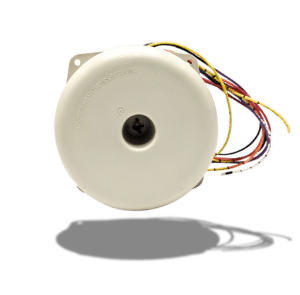
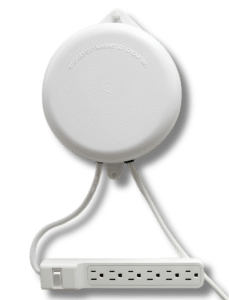
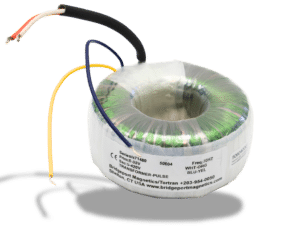
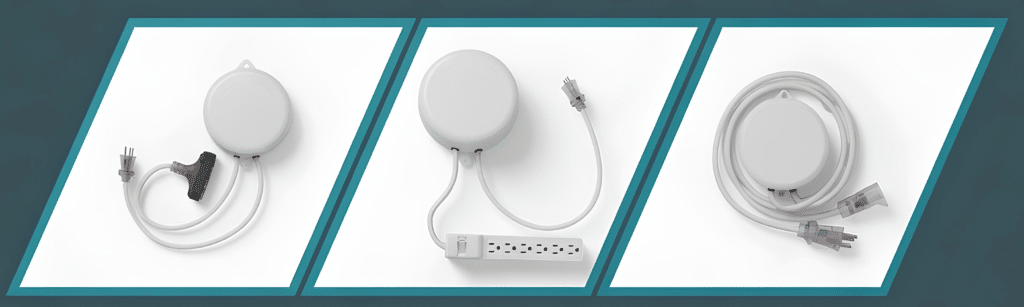
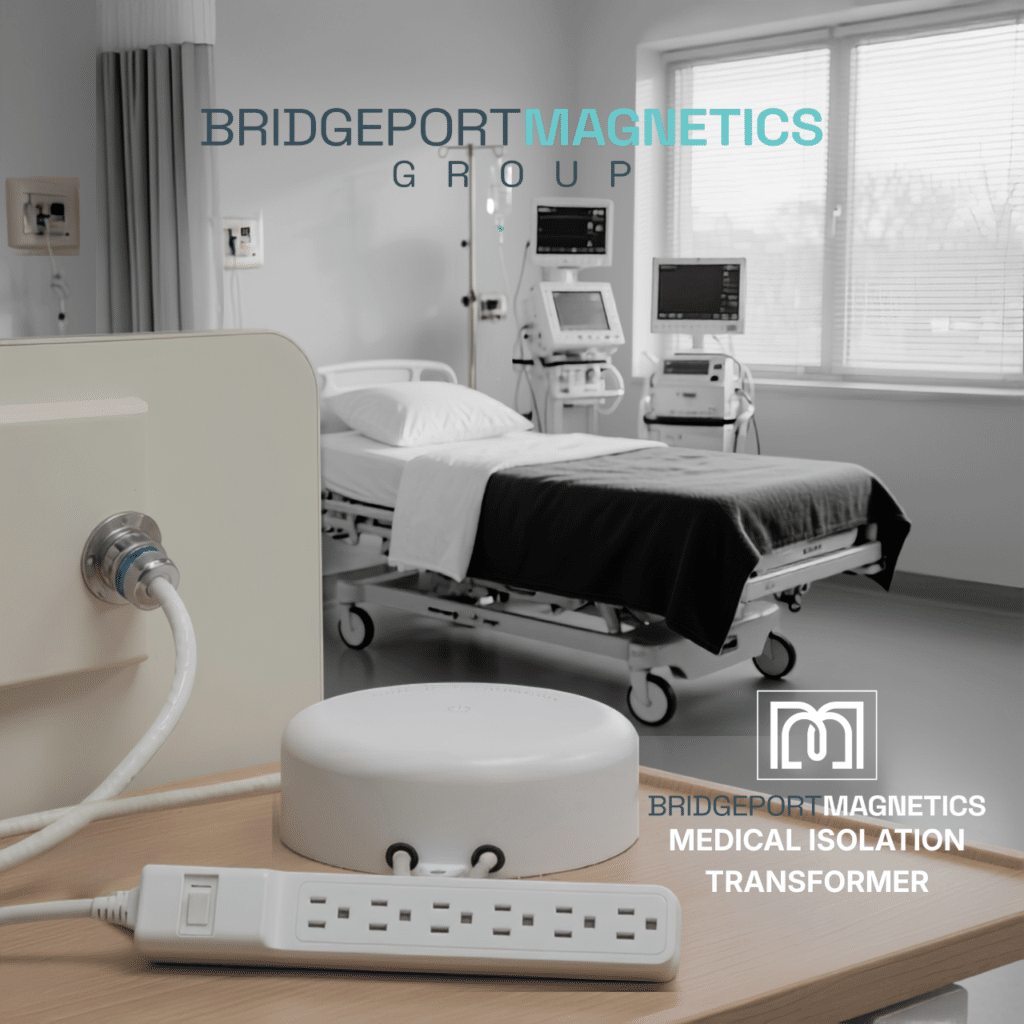
Bridgeport Magnetics offers high-quality enclosed medical isolation transformers under the IsoPuck brand. Two models frequently selected for healthcare applications are the IP800/60 and the IP2200/60.
- The IP800/60 (800 VA) is ideal for smaller clinical setups, individual pieces of equipment, or space-constrained areas.
- The IP2200/60 (2200 VA) provides higher capacity for operating rooms, diagnostic areas, or installations supporting multiple medical devices.
Both models feature electrostatic shielding and are designed to support compliance with IEC 60601-1 and UL 60601-1 standards.
Product Callout Bridgeport Magnetics IsoPuck Enclosed Series Enclosed medical isolation transformers from 200 VA to 3000 VA, including the IP800/60 (800 VA) and IP2200/60 (2200 VA) models. Built for safe and reliable performance in healthcare environments with electrostatic shielding and thermal protection.
Request a quote or speak with our engineers
FAQ
How do I know what size enclosed medical isolation transformer I need? Start by calculating the total power consumption of all equipment that will be connected to the transformer. Add up the wattage of every device, then add a 20 to 30 percent safety margin to account for startup surges and future equipment additions. Once you have the total load, convert it to kVA and select the next standard size above your calculated requirement. Models like the IP800/60 are often suitable for smaller procedure rooms or individual pieces of equipment, while higher-capacity units such as the IP2200/60 work better for operating rooms or areas with multiple devices. It is also important to consider the physical space available for installation and whether the transformer will need to support future expansion. Working with a qualified biomedical engineer or electrical contractor can help ensure the selected size meets both current and long-term needs.
What is the difference between an open-frame and an enclosed medical isolation transformer? Open-frame medical isolation transformers are more exposed and typically require additional protection when installed in clinical environments. They can be more difficult to clean and may need extra shielding or enclosures to meet safety standards in patient care areas. Enclosed medical isolation transformers, on the other hand, come with a protective housing that guards against dust, moisture, and accidental contact. This design also provides better electromagnetic shielding and makes installation simpler and safer in hospitals and clinics. Enclosed units generally require less ongoing maintenance and are better suited for direct placement in operating rooms, intensive care units, and other sensitive areas. For most healthcare applications, enclosed designs offer a more practical and compliant solution.
Do enclosed medical isolation transformers help with regulatory compliance? Yes. Properly designed enclosed medical isolation transformers are built to support compliance with key medical safety standards, including IEC 60601-1 and UL 60601-1. These standards set strict requirements for leakage current, electrical safety, and equipment performance in healthcare settings. Using an enclosed unit that meets these standards can simplify the compliance process during equipment inspections, facility audits, and regulatory reviews. Many hospitals and clinics prefer enclosed designs because they reduce the risk of non-compliance issues related to electromagnetic interference or electrical safety. Choosing a transformer with proper certifications also helps protect both patients and staff while supporting the facility’s overall safety program.
Can I use the same enclosed medical isolation transformer for multiple rooms? It depends on the total connected load, the physical distance between rooms, and the specific power requirements of the equipment. In many cases, it is better to use separate transformers for different areas to maintain optimal performance, safety, and isolation. Sharing one unit across multiple rooms can sometimes lead to voltage drops or increased electromagnetic interference if the wiring runs are too long. However, larger capacity models like the IP2200/60 can sometimes support multiple pieces of equipment if the load calculation allows it and the installation is properly designed. Consulting with a qualified electrical engineer is recommended when considering shared installations to ensure safety and compliance.
How important is electromagnetic shielding in healthcare? Electromagnetic shielding is very important in healthcare environments. Sensitive medical equipment such as patient monitors, ECG machines, infusion pumps, and imaging systems can be affected by electromagnetic interference, which may lead to inaccurate readings or equipment malfunctions. Enclosed medical isolation transformers with proper electrostatic shielding help reduce this interference and protect connected devices. This is especially critical in operating rooms, intensive care units, and diagnostic areas where reliable equipment performance directly impacts patient care. Facilities that prioritize electromagnetic compatibility often see fewer equipment issues and improved overall reliability when using well-shielded enclosed transformers.
What maintenance do enclosed medical isolation transformers require? Enclosed medical isolation transformers generally require less maintenance than open-frame designs because they are protected from dust, moisture, and physical damage. Routine maintenance typically includes regular visual inspections, checking electrical connections for tightness, and ensuring that ventilation openings are not blocked. It is also recommended to periodically verify that thermal protection systems are functioning correctly. Always follow the manufacturer’s specific maintenance guidelines and schedule inspections according to the facility’s equipment management program. Proper maintenance helps extend the life of the transformer and ensures continued safe and reliable operation in critical healthcare settings.
Are there specific standards I should look for when buying an enclosed medical isolation transformer? Yes. When selecting an enclosed medical isolation transformer, look for units that are recognized or listed to UL 60601-1 and IEC 60601-1 standards. These certifications confirm that the transformer meets the safety and performance requirements needed for medical electrical equipment. Additional standards such as those related to electromagnetic compatibility (EMC) may also be relevant depending on the specific application. Working with a reputable manufacturer that provides clear documentation and test reports can help ensure the transformer meets all necessary regulatory and safety requirements for your facility.