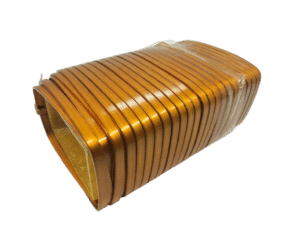
When an underground cable fault causes a partial power outage, utility companies need a fast, safe, and practical way to restore service while permanent repairs are completed. Traditional approaches, such as running temporary overhead jumper cables, can be time-consuming, hazardous, and difficult to manage – especially in residential neighborhoods or during severe weather.
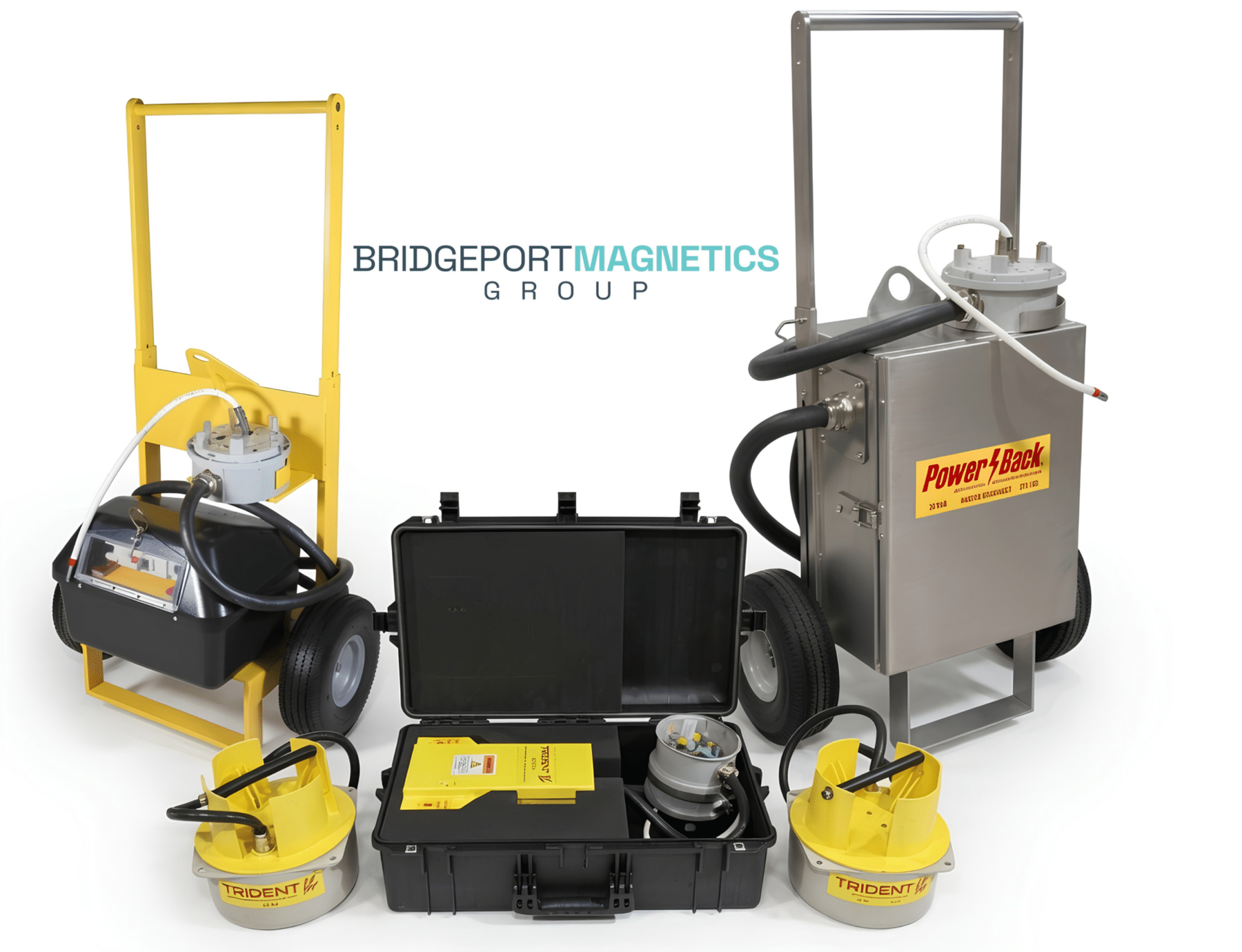
Lightweight temporary power restoration devices offer a much better solution. These portable autotransformers restore full meterable 120/240V service directly at the customer’s meter in minutes, without the risks and complications of temporary cabling. Modern units, such as the PowerBack from Bridgeport Magnetics, are specifically engineered to be lighter, easier to maneuver, and faster to deploy than older, heavier equipment.
Quick Benefits Summary
| Benefit | How Lightweight Temporary Power Restoration Devices Help | Impact on Utility Operations |
|---|---|---|
| Safety | Eliminates need for exposed temporary overhead cables | Lower risk for crews and public |
| Speed | Restores power in minutes instead of hours or days | Reduced outage duration and customer complaints |
| Ease of Use | Significantly lighter and more maneuverable than older units | Faster deployment and less crew strain |
| Customer Satisfaction | Keeps residents powered while repairs are completed | Higher satisfaction and better reliability scores |
| Operational Efficiency | Allows crews to schedule permanent repairs during normal working hours | Reduced overtime and better crew utilization |
Key Advantages of Lightweight Temporary Power Restoration Devices
1. Improved Safety Safety remains one of the most important benefits of using lightweight temporary power restoration devices. Running temporary overhead cables from a neighbor’s house creates serious hazards, particularly in areas with children, pets, or heavy foot traffic.
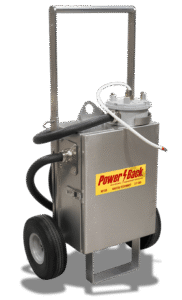
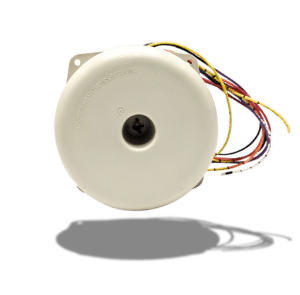
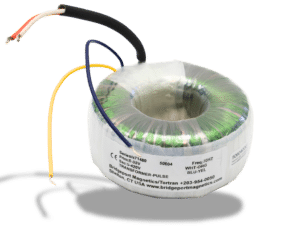
The PowerBack is built into a durable stainless steel wheeled cart and connects directly to the home’s electric meter as a toroidal isolation transformer. This design provides a contained and safe power source without exposed temporary wiring, giving utility companies greater peace of mind while crews work on underground repairs.
2. Higher Customer Satisfaction Long or unpredictable power outages frustrate customers and negatively affect a utility’s reliability metrics. Lightweight temporary power restoration devices allow crews to restore power quickly while they complete permanent repairs.
By minimizing the impact of the outage on residents, utilities can maintain higher customer satisfaction scores and reduce the volume of outage-related calls and complaints.
3. Easier Handling and Faster Deployment One of the biggest practical advantages of modern lightweight temporary power restoration devices is how easy they are to transport and set up. Older, heavier units can be difficult for crews to maneuver, especially in backyards, tight spaces, or rough terrain.
The PowerBack is roughly half the weight and size of many traditional units, making it much easier for a single lineman to handle. It rolls smoothly on never-flat tires and can be quickly connected using a single-turn meter adapter. Most installations can be completed in approximately 30 minutes, allowing crews to spend more time on the actual cable repair.
4. Better Equipment Tracking and Accountability Many current-generation temporary power restoration devices, including the PowerBack, come equipped with GPS tracking. This allows utility companies to monitor equipment location in real time, prevent units from being left behind at job sites, and improve overall fleet and asset management.
Lightweight Temporary Power Restoration Devices vs Traditional Equipment
| Feature | Traditional / Heavier Units | Lightweight Modern Devices (e.g. PowerBack) | Clear Advantage |
|---|---|---|---|
| Weight | Often 150+ lbs | As low as 91 lbs | Much easier to handle |
| Mobility | Difficult in yards and rough terrain | Wheeled with never-flat tires + modular options | Faster and more flexible deployment |
| Installation Time | Longer setup | ~30 minutes with single-turn adapter | More efficient use of crew time |
| Safety Features | Basic | Thermal protection + optional GFI | Safer for crews and customers |
| Footprint | Large and bulky | Compact stainless steel cart | Easier to position in tight spaces |
| Crew Requirements | Often requires multiple people | Many models can be handled by one lineman | Reduced physical strain |
Why Utilities Are Moving Toward Lighter Equipment
Many utility companies are shifting away from older, heavier temporary power restoration equipment in favor of lighter and more capable solutions. Lightweight devices reduce physical strain on crews, improve deployment speed, enhance safety, and support better overall outage response.
The PowerBack was specifically designed with input from working linemen to address these real-world challenges while maintaining high performance and reliability.
FAQ
What is a lightweight temporary power restoration device? It is a portable autotransformer used to quickly restore a missing hot leg or neutral at a customer’s meter. These modern units are significantly lighter and easier to handle than older temporary power restoration equipment.
How much lighter is the PowerBack compared to older units? PowerBack Lite models can weigh as little as 91 lbs, making them roughly half the weight of many traditional temporary power restoration devices.
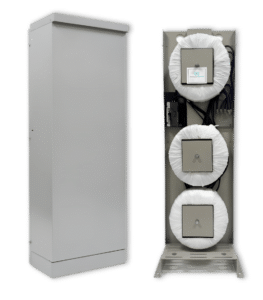
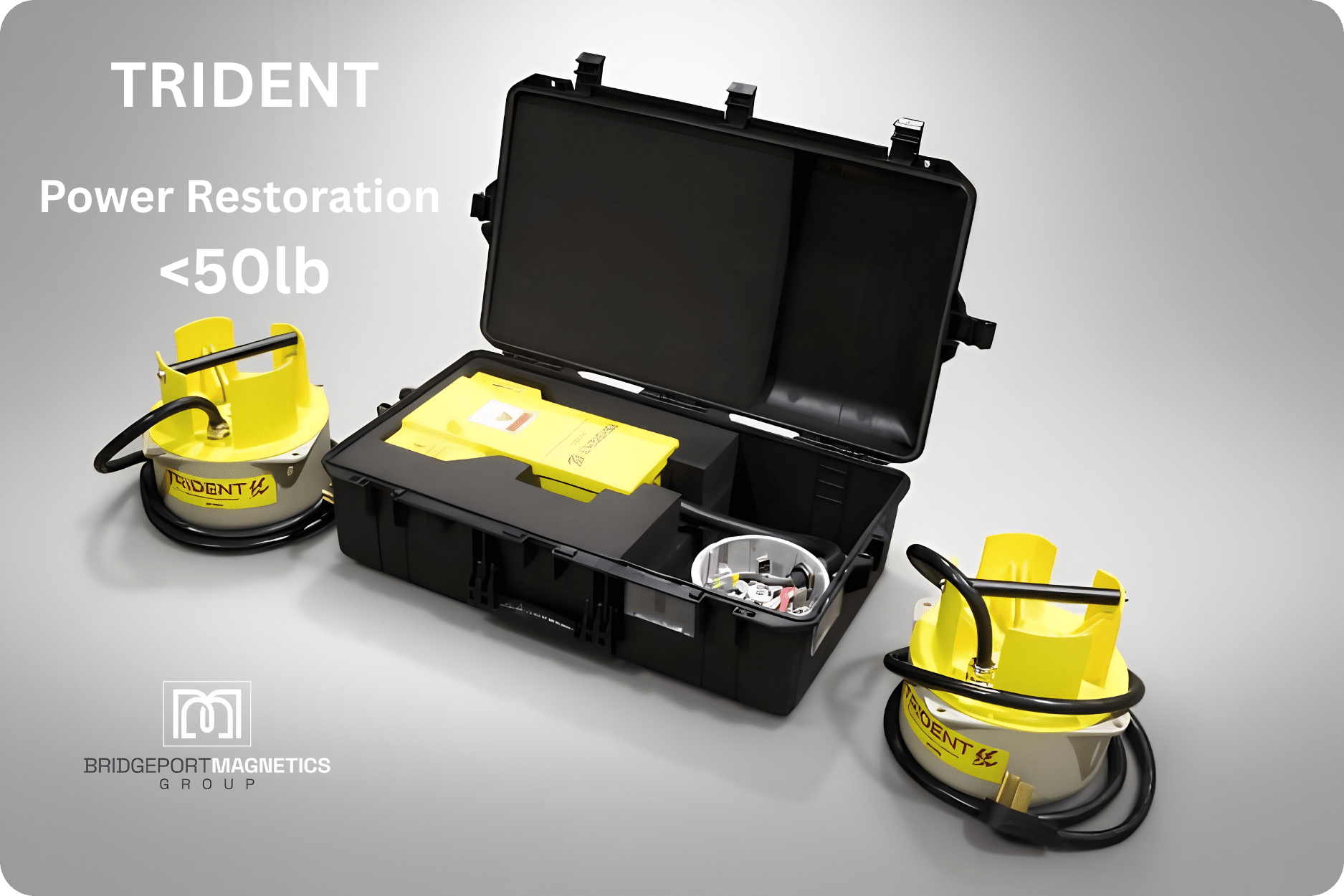
Can one person install these devices? Yes. Many lightweight models, including the PowerBack and Trident, are designed to be transported and set up by a single lineman.
Are these devices safe to use in residential areas? Yes. Because they connect directly to the meter and function as isolation transformers, they eliminate the need for exposed temporary overhead cables, making them much safer for neighborhoods.
How long can these devices stay connected? They are intended for temporary use while permanent repairs are completed, typically ranging from a few days to a couple of weeks.
How does the PowerBack compare to older temporary power restoration equipment? The PowerBack is significantly lighter, easier to maneuver, and includes modern safety features such as thermal protection and optional GFI. Crews generally find it faster and safer to deploy than older, heavier units.
The Bottom Line
Lightweight temporary power restoration devices give utility companies a faster, safer, and more efficient way to manage partial power outages caused by underground cable faults. By reducing crew strain, improving safety, increasing customer satisfaction, and enhancing operational efficiency, these modern tools are becoming an essential part of utility outage response strategies.
If your crews are still using older, heavier equipment, it may be time to evaluate lighter and more capable solutions like the PowerBack and Trident from Bridgeport Magnetics.
Ready to upgrade your temporary power restoration capabilities? Contact Bridgeport Magnetics at (203) 954-0050 or [email protected]. Learn more at bridgeportmagnetics.com/temporary-power-restoration.