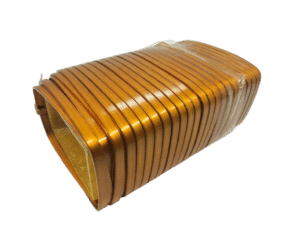
When a utility crew responds to a power outage caused by an underground cable fault, they often need a fast way to restore service without running temporary cables. This is where a phase restoration transformer, also commonly known as an add-a-phase transformer, becomes valuable.
These devices allow crews to safely restore full 120/240V service at the meter while permanent repairs are scheduled. Here is how they work and when utilities typically deploy them.
What Is a Phase Restoration Transformer?
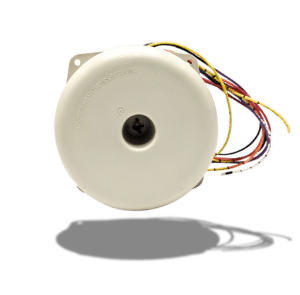
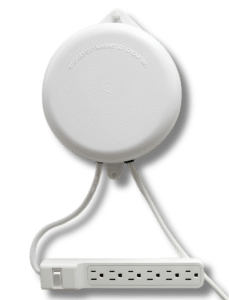
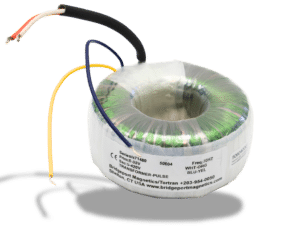
A phase restoration transformer, also referred to as an add-a-phase transformer or restoration auto transformer, is a specialized autotransformer used by electric utilities. It connects at the meter to regenerate a missing hot leg or neutral caused by a fault on the underground service cable.
Instead of leaving customers without power for extended periods, crews can install the transformer quickly and restore service until the damaged cable can be located and repaired.
How a Phase Restoration Transformer Works
When one hot leg or the neutral conductor is lost, the autotransformer uses the remaining energized conductors to create the missing voltage.
For example:
-
- If one hot leg is open, the transformer can derive 240 volts from the good leg and neutral.
-
- If the neutral is lost, it can help re-establish a usable neutral reference for the service.
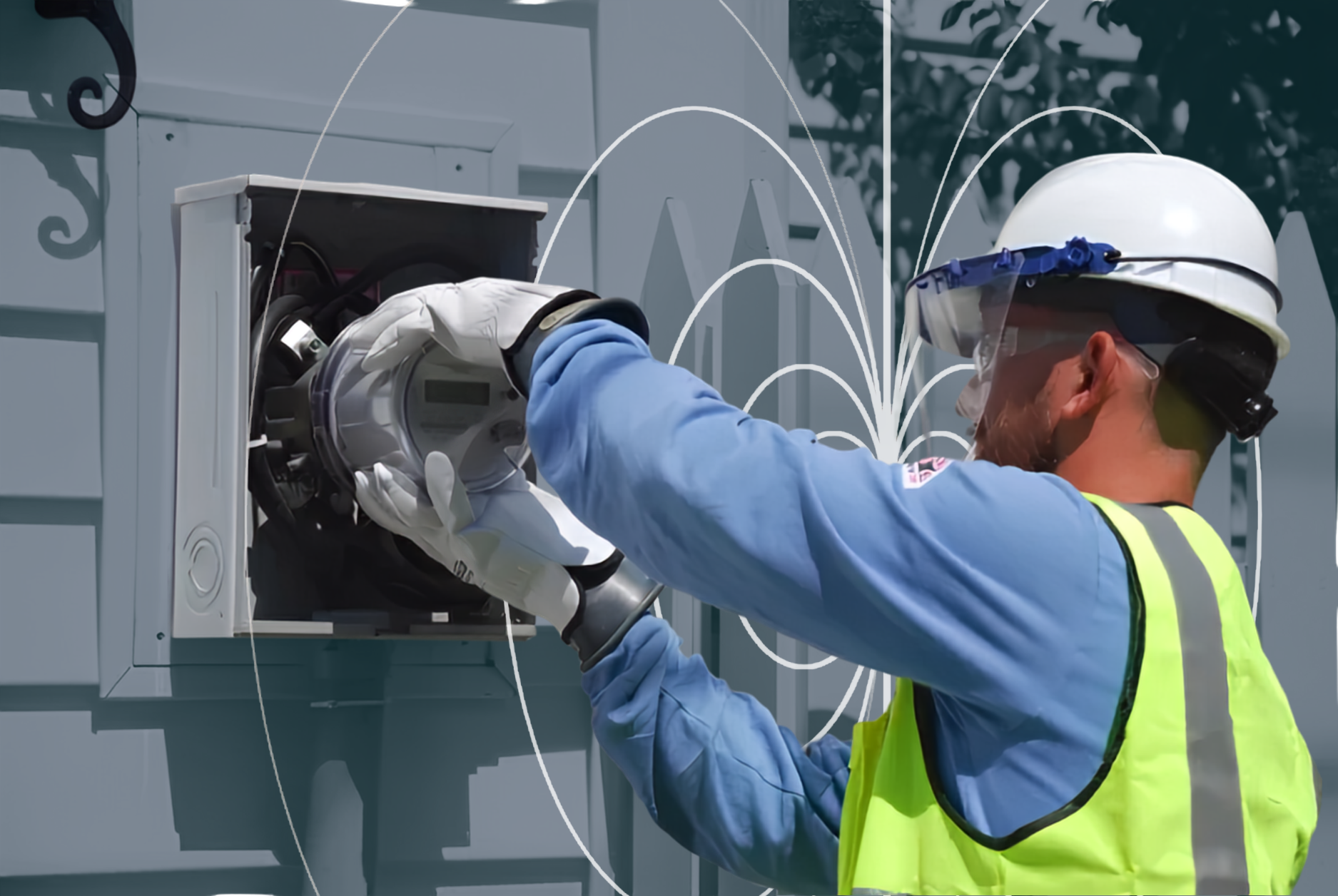
The device is installed between the meter socket and the meter, usually with a meter adapter. Once connected, it restores balanced power to the home or business.
Open Hot Leg vs Open Neutral
Utilities deal with two primary types of faults that these transformers address. The table below shows the key differences:
| Situation | Common Symptoms | How a Phase Restoration Transformer Helps |
|---|---|---|
| Open Hot Leg | Partial power, some outlets or circuits dead | Restores 240V service using the remaining good leg |
| Open Neutral | Voltage fluctuations, risk of appliance damage | Helps re-establish a usable neutral reference |
A properly sized phase restoration transformer can address either condition, giving crews time to complete permanent repairs safely.
When Do Utilities Use Phase Restoration Transformers?
Utilities commonly use add-a-phase transformers and other restoration auto transformers in these situations:
-
- Underground cable faults on residential or small commercial services
-
- Storm-related outages where quick restoration is needed before permanent repairs can be made
-
- Planned maintenance on underground services
-
- Locations where immediate excavation is difficult or time-consuming
These devices are especially useful because they allow crews to restore power at the meter without running temporary above-ground conductors.
How Phase Restoration Transformers Connect at the Meter
Most installations use a meter adapter that fits between the existing meter socket and the meter. The transformer then connects to this adapter. Some designs are compatible with ringless meter sockets for faster deployment.
Because these units are relatively compact, they can often be carried and installed by one or two linemen, making them practical for everyday service restoration work.
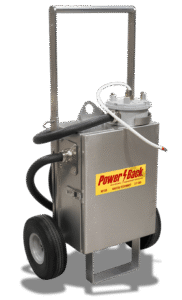
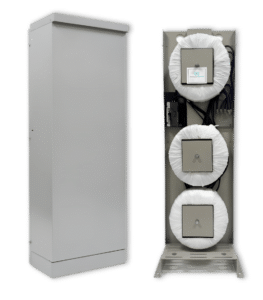
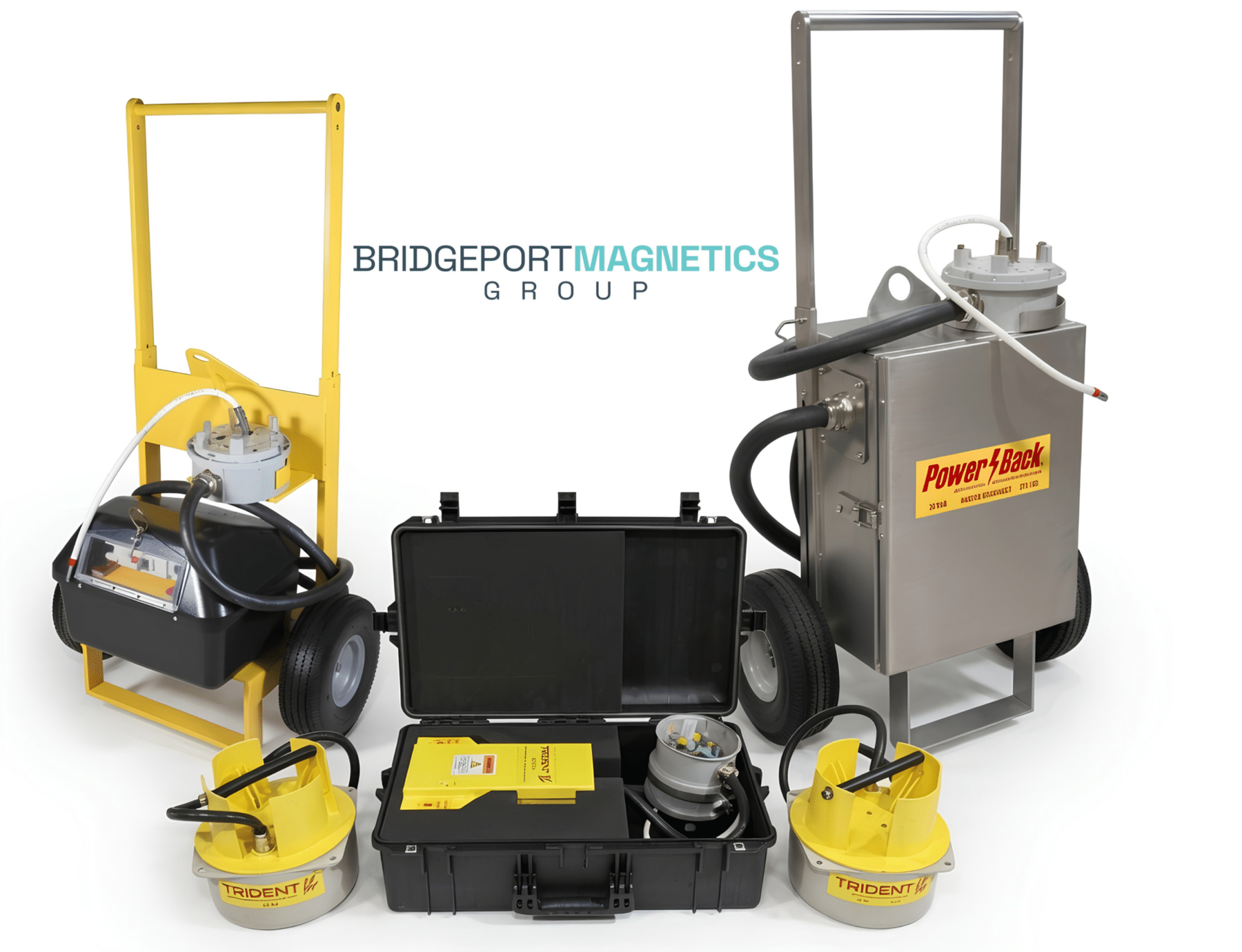
Product Callout Bridgeport Magnetics offers both the wheeled PowerBack and the modular Trident systems for temporary power restoration. The Trident is particularly effective when crews need a lightweight, one-person carry solution for difficult access locations.
Learn more about Bridgeport’s temporary power restoration equipment
FAQ
What is the difference between a phase restoration transformer and a regular transformer? A standard transformer changes voltage levels. A phase restoration transformer (add-a-phase) is specifically designed to regenerate a missing hot leg or neutral on an existing single-phase service.
Can these devices be used on both overhead and underground services? Yes. While most commonly used on underground faults, phase restoration transformers can also be deployed on overhead services when needed.
How long can a phase restoration transformer stay in service? They are intended for temporary use. Most utilities aim to remove them within a few days to a couple of weeks once permanent repairs are completed.
What size phase restoration transformer is typically needed? Sizing depends on the service amperage and expected load. Common sizes include 15 kVA, 20 kVA, and 30 kVA units.
Do all utilities use add-a-phase transformers? Many utilities carry these devices on their trucks because they provide a fast, practical way to restore service during underground cable faults and other outages.