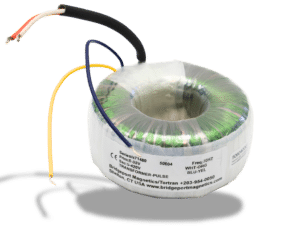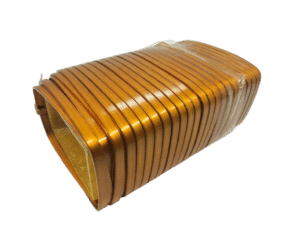
Medical isolation transformer IEC 60601 are one of the most important tools OEMs and healthcare facilities use to support electrical safety and regulatory compliance. When medical devices connect to patients or operate in patient care areas, they must meet strict requirements under standards such as IEC 60601-1 and UL 60601-1. A properly designed medical isolation transformer helps equipment stay within allowable leakage current limits, provides galvanic isolation, and supports overall system safety.
This post explains how medical isolation transformers relate to IEC 60601 and UL 60601 compliance, what OEMs and hospitals should understand about these standards, and how to select the right transformer for medical applications.
Understanding IEC 60601 and UL 60601
IEC 60601-1 is the primary international standard for the basic safety and essential performance of medical electrical equipment. UL 60601-1 is the North American version of the same standard. Both set requirements for:
-
- Electrical safety
-
- Mechanical safety
-
- Thermal safety
-
- Radiation protection
-
- Protection against excessive leakage current
For many devices, especially those with applied parts that contact the patient, controlling leakage current is one of the most challenging aspects of compliance. This is where medical isolation transformers become valuable.
Why Medical Isolation Transformers Support Compliance
A medical isolation transformer provides galvanic isolation between the power source and the medical device. By breaking the direct conductive path, it reduces the amount of leakage current that can reach the patient or the equipment enclosure.
Key ways a medical isolation transformer supports IEC 60601 / UL 60601 compliance include:
-
- Reducing patient leakage current
-
- Reducing earth leakage current
-
- Limiting touch current
-
- Helping equipment meet single-fault condition requirements
-
- Lowering electromagnetic interference that can affect sensitive circuits
When designed correctly, these transformers make it significantly easier for OEMs to pass safety testing and for hospitals to maintain safe electrical environments.
Key Leakage Current Limits Under IEC 60601-1
| Applied Part Type | Normal Condition Limit | Single-Fault Condition Limit | Typical Use Cases |
|---|---|---|---|
| Type B | 100 µA | 500 µA | General monitoring and diagnostic equipment |
| Type BF | 100 µA | 500 µA | Equipment with conductive patient contact |
| Type CF | 10 µA | 50 µA | Direct cardiac contact (surgery, catheters) |
These limits are among the most important reasons OEMs and hospitals specify low leakage current medical isolation transformers.
What OEMs Need to Know
Medical device manufacturers face several practical challenges when designing for IEC 60601 compliance:
1. Cumulative Leakage Current When multiple devices share a power source or are used together on the same patient, leakage currents can add up. A medical isolation transformer can help keep the total system within limits.
2. Single-Fault Conditions The standard requires equipment to remain safe even if one protective measure fails. Isolation transformers help maintain safety under these conditions by providing an additional barrier.
3. Design Flexibility Using an external medical isolation transformer can simplify the internal design of a medical device, reduce the burden on the device’s own power supply, and improve the chances of successful certification testing.
4. Documentation and Testing OEMs must document how isolation is achieved and demonstrate compliance through testing. Choosing a transformer that is already designed and tested to support medical standards can streamline this process.
What Hospitals and Healthcare Facilities Need to Know
Hospitals and clinics have different but related concerns:
-
- Patient care areas often contain multiple powered devices connected to the same patient.
-
- Older buildings may have higher background leakage from aging electrical systems.
-
- Facility inspections and accreditation processes increasingly focus on electrical safety.
-
- Portable and mobile medical equipment still needs to meet safety expectations.
Installing appropriately sized medical isolation transformers in procedure rooms, ICUs, or equipment carts can help facilities manage these risks and support a safer electrical environment.

Design Features That Support Compliance
Not every isolation transformer is suitable for medical use. The following features are particularly important for IEC 60601 / UL 60601 support:
| Feature | Why It Matters for Compliance |
|---|---|
| Low leakage current design | Directly supports patient and earth leakage limits |
| Electrostatic shielding | Reduces capacitive coupling and high-frequency noise |
| Toroidal core construction | Generally lower stray fields and better performance |
| Reinforced or double insulation | Helps meet dielectric strength and isolation requirements |
| Thermal protection | Supports safe operation under continuous load |
| Proper grounding provisions | Critical for correct leakage current measurement |
Case Study: OEM Facing Leakage Current Challenges
A medical device manufacturer was developing a new patient monitoring system intended for use in critical care environments. During early compliance testing, the system’s patient leakage current approached the upper limit allowed for Type BF applied parts, especially when multiple accessories were connected.
Instead of redesigning the internal power supply (which would have delayed the project), the engineering team evaluated an external low leakage current medical isolation transformer. After integrating a properly sized unit, the measured leakage current dropped well below the required limits under both normal and single-fault conditions. The device successfully completed certification testing on schedule.
This type of outcome is relatively common. A well-chosen medical isolation transformer can resolve leakage current issues that are difficult or expensive to fix inside the device itself.
Comparison: Standard Isolation Transformer vs Medical Isolation Transformer for Compliance
| Feature | Standard Isolation Transformer | Medical Isolation Transformer (IEC 60601 focused) | Better for Compliance |
|---|---|---|---|
| Leakage current performance | Variable | Designed for very low leakage | Medical |
| Support for IEC 60601 / UL 60601 | Limited or none | Specifically engineered to support the standard | Medical |
| Electrostatic shielding | Often optional | Standard on quality medical designs | Medical |
| Suitability for patient-connected use | Not recommended | Appropriate when correctly applied | Medical |
| Documentation for certification | Usually insufficient | Stronger support for testing and documentation | Medical |
Popular IsoPuck Models for Compliance-Focused Applications
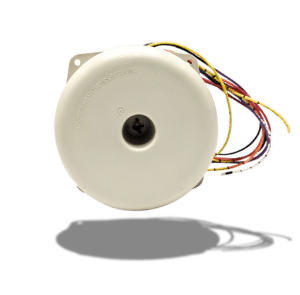
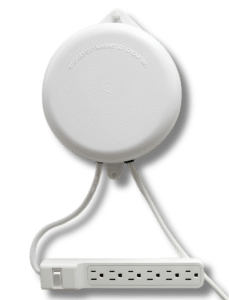
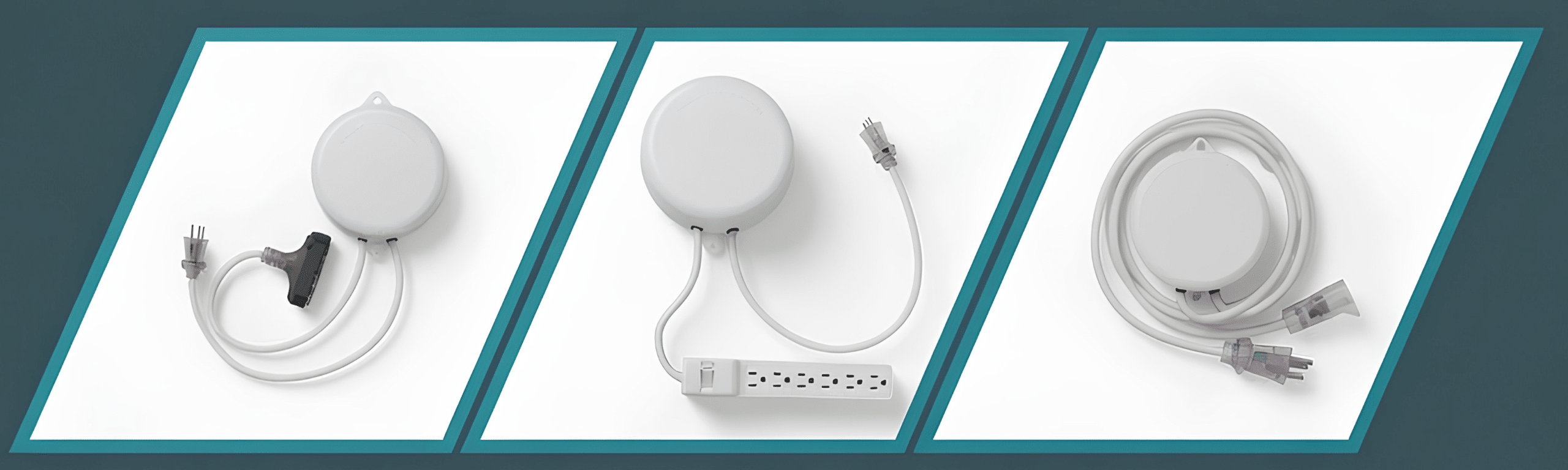
Bridgeport Magnetics offers compact toroidal medical isolation transformers under the IsoPuck brand that are designed to support low leakage performance and medical safety requirements. Two models frequently used by OEMs and healthcare facilities are the IP1200/60 and the IP1800/60.
-
- The IP1200/60 (1200VA) provides a practical capacity for many mid-sized medical systems, procedure rooms, and multi-device setups.
-
- The IP1800/60 (1800VA) offers higher capacity for larger installations or applications with greater power demand while maintaining strong leakage current performance.
Both models feature electrostatic shielding and are designed to support compliance with UL 60601-1 and IEC 60601-1 standards.
Product Callout Bridgeport Magnetics IsoPuck Series Medical isolation transformers from 200 VA to 3000 VA, including the IP1200/60 (1200VA) and IP1800/60 (1800VA) models. Designed for low leakage current performance with electrostatic shielding. UL 60601-1 and IEC 60601-1 compliant. Custom configurations available for OEM and hospital applications.
Request a quote or speak with our engineers
FAQ
What is the relationship between medical isolation transformers and IEC 60601? Medical isolation transformers help equipment meet the leakage current and isolation requirements of IEC 60601-1 by providing galvanic isolation and reducing unwanted current paths to the patient.
Is UL 60601 the same as IEC 60601? UL 60601-1 is the North American adoption of the IEC 60601-1 standard. The technical requirements for leakage current and isolation are closely aligned, though local regulatory processes may differ.
Can a medical isolation transformer guarantee full compliance? No single component can guarantee full system compliance. However, a properly selected low leakage current medical isolation transformer significantly improves the likelihood of meeting leakage current limits and supports the overall safety strategy of the equipment or installation.
Do hospitals need medical isolation transformers in every patient room? Not necessarily. The need depends on the type of equipment in use, the electrical infrastructure of the facility, and the specific risk assessment. They are most commonly used in higher-risk areas such as operating rooms, ICUs, and procedure rooms.
How do OEMs typically use medical isolation transformers for compliance? Many OEMs integrate them externally or as part of a power distribution strategy to control leakage current, simplify internal power supply design, and improve the chances of successful certification testing.
Are toroidal medical isolation transformers better for IEC 60601 compliance? Toroidal designs often provide lower leakage current and reduced electromagnetic interference compared with traditional EI core transformers, which can make compliance easier when combined with proper shielding and construction.
Final Thoughts
Medical isolation transformers are a practical and effective tool for supporting IEC 60601 and UL 60601 compliance. For OEMs, they can simplify design and improve the likelihood of successful safety testing. For hospitals and healthcare facilities, they help manage leakage current risks in patient care environments. Selecting a transformer specifically engineered for low leakage performance and medical applications is one of the most reliable steps toward safer, more compliant systems.