Data centers powering AI are undergoing a major power architecture change. Operators are moving toward 800 VDC distribution to support extremely high rack densities, reduce energy losses, integrate renewable sources more effectively, and help stabilize the electric grid against sudden load swings from AI workloads.
Solid-state transformers play a central role in this shift. These systems convert medium-voltage AC from the grid directly into regulated 800 VDC at the facility edge with high efficiency and fast response. When paired with DC-coupled battery storage, they cut the number of conversion stages, lower overall losses, and give data centers the ability to smooth out massive power fluctuations.
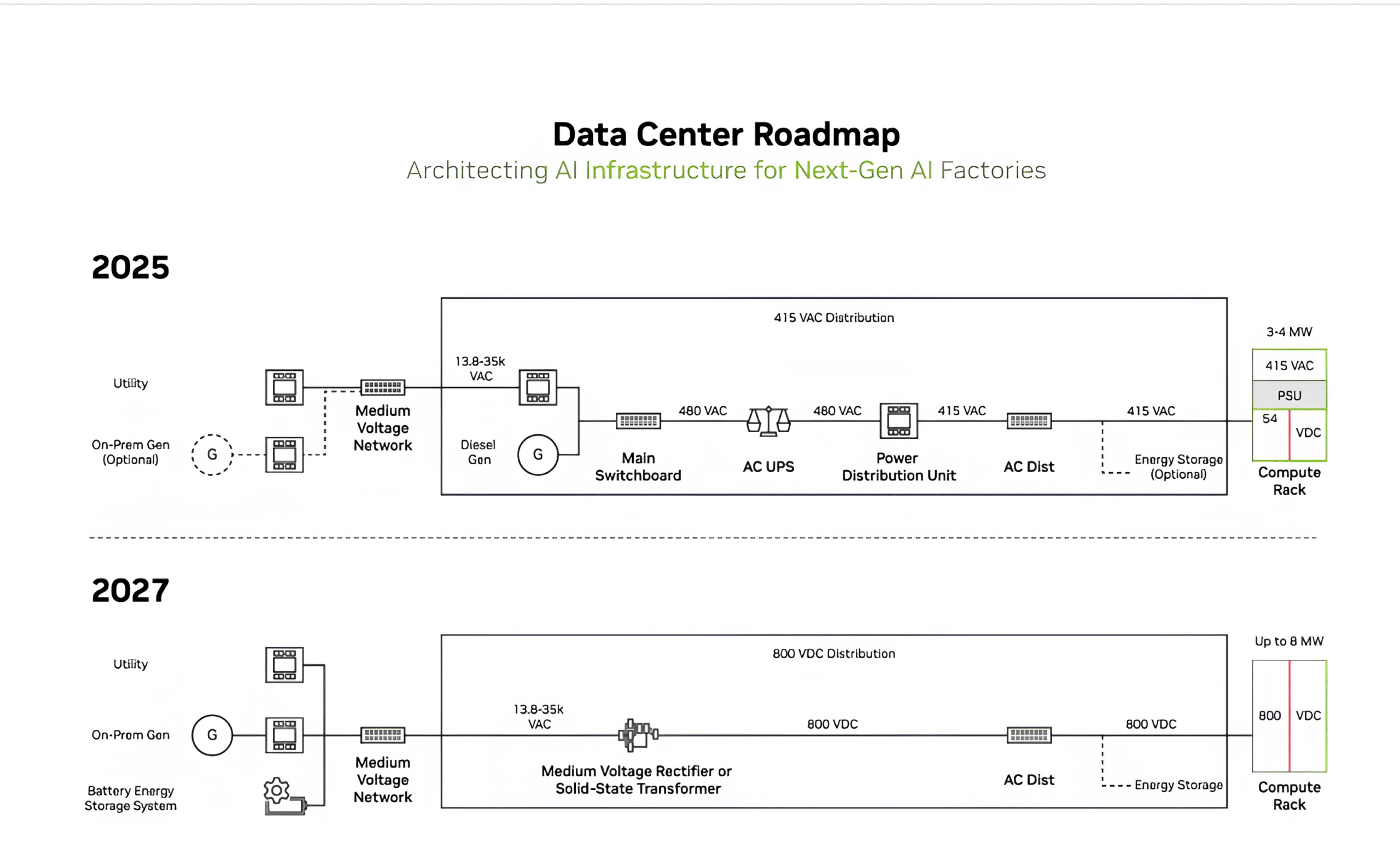
Industry projections show this approach can deliver up to 5% improvement in end-to-end power efficiency compared with traditional systems. It can also reduce maintenance costs by up to 70% while cutting copper requirements significantly in distribution. These gains matter when rack power densities climb toward the megawatt range.
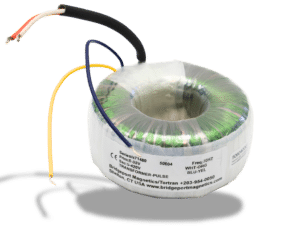
A natural question follows: what happens to traditional transformers, especially the high-efficiency 3-phase toroidal transformers commonly used in UPS systems and critical power distribution?
The Role Is Changing, Not Disappearing
In the newest pure 800 VDC hyperscale AI facilities, the traditional multi-stage AC path that includes large centralized UPS systems sees reduced demand for the main compute load. Solid-state transformers and DC-side storage take over many of those functions more efficiently.
That said, the transition will not happen overnight across the entire industry. Most data centers today and for the next several years will run in hybrid mode. Existing facilities, colocation providers, and many new builds will continue using AC distribution for large portions of their infrastructure. Even advanced 800 VDC designs still require reliable AC power for cooling systems, liquid cooling infrastructure, lighting, and support loads.
This hybrid reality, combined with the technical demands of the new architecture itself, actually increases the value of advanced toroidal transformer technology in several key areas.
Where Toroidal Transformers Deliver Clear Advantages
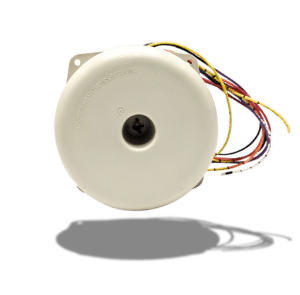
Toroidal transformers have long been valued in data centers for clean power, low electromagnetic interference, and compact size. These strengths become even more relevant now.
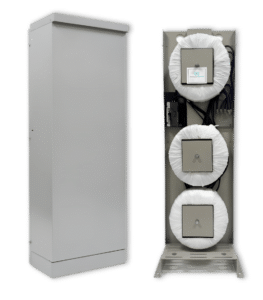
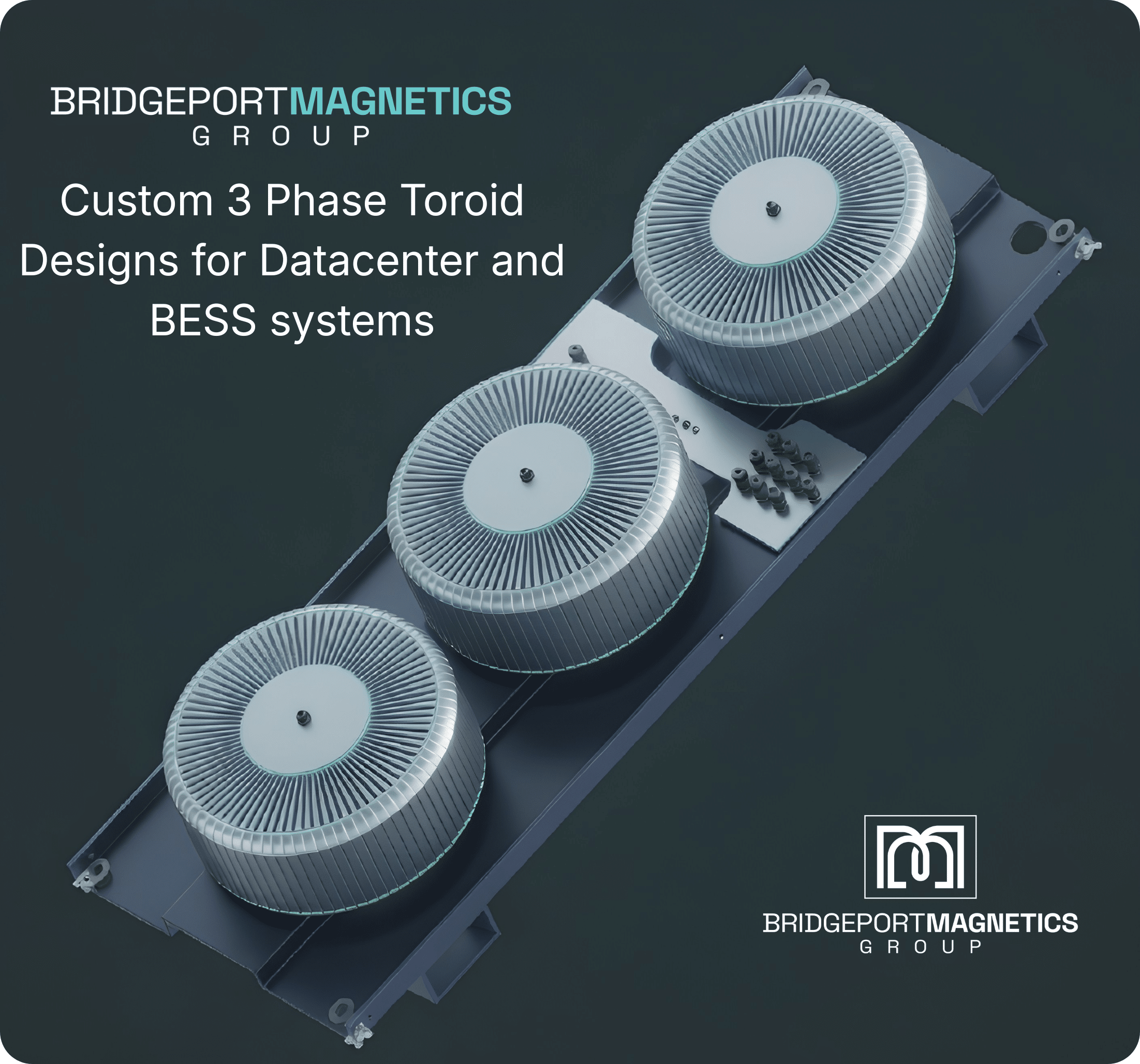
In hybrid and legacy environments, 3-phase toroidal solutions offer lower no-load losses, reduced audible noise, cooler operation, and a smaller physical footprint than conventional laminated designs. These benefits help in space-constrained facilities where liquid cooling already occupies significant room. They also support the consistent, isolated power that UPS systems and PDUs need to protect sensitive IT equipment.
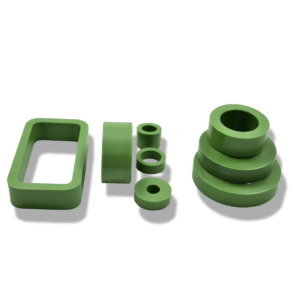
Inside the new power conversion equipment, toroidal cores excel in high-frequency stages. Solid-state transformers and the high-ratio DC-DC converters that step 800 VDC down to server-level voltages rely on efficient magnetics. Toroidal designs provide low core losses at higher switching frequencies, strong power density, and excellent EMI performance. These characteristics help meet the efficiency and thermal targets required in dense, high-power racks.
Data center operators continue to specify toroidal transformers in UPS systems and rack-level power distribution precisely because they deliver stable power with minimal interference and space savings. As overall efficiency targets tighten, those same characteristics become strategic advantages rather than optional features.
Looking Ahead
The move to 800 VDC is a genuine improvement in efficiency and capability for the highest-density AI workloads. It does not eliminate the need for high-performance transformers. Instead, it raises the bar for what those transformers must deliver across both traditional AC paths and the high-frequency sections of modern power electronics.
Manufacturers that focus on advanced toroidal technology are well positioned for this environment. The combination of efficiency, compactness, low noise, and strong performance at higher frequencies aligns directly with the demands of hybrid facilities today and the power conversion systems of tomorrow.
Data center power is evolving quickly. The toroidal transformers that have supported reliable, efficient operation in critical applications for years are ready to support the next generation of AI infrastructure as well.